If you’ve ever rummaged through a cold-weather closet at 7 a.m., half-asleep and running late for a commute, odds are you’ve grabbed a solid color scarf without overthinking it. It’s usually a deep navy, a soft cream, or a burnt camel—no bold prints, no clashing motifs, just a single uninterrupted shade that slips on like a second skin. As someone who’s been supplying solid color scarves for over a decade, I’ve watched these simple pieces swing from a basic winter staple to a quiet, intentional tool for self-expression, and I want to break down what makes them more than just a piece of fabric tied around your neck. Let’s start with the basics: scientifically, a solid color (or “monochrome shade” as textile designers call it) means the fiber is dyed with a single, uniform pigment, no print repeats, no block patterns, no gradient shifts. That’s not just a design choice—it’s a commitment to consistency. When I source yarns from our network of mills, I prioritize dyes that penetrate the fiber evenly, whether we’re using merino wool, cashmere, a lightweight modal blend, or even a stretchy cotton-poly for warmer months. A solid color scarf doesn’t have thin spots from print ink layering, or faded patches from repeated washing, because the color is part of the fabric itself, not just printed on top. This durability is why our customers—from small boutique shop owners to large department store buyers—keep coming back to our solid color collections year after year. But the meaning of a solid color scarf isn’t just in its construction. It’s rooted in how we, as people, use color to communicate without words. Think about it: a matte black solid scarf worn to a client meeting sends a message of professionalism and quiet authority, without screaming for attention. A soft baby pink one can be a subtle nod to warmth and approachability, while a deep forest green feels grounded and connected to nature. Textile psychologist Angela Wright, whose research on color and emotion has been cited in fashion industry circles, found that monochrome apparel pieces reduce cognitive load for both the wearer and others around them. “When there’s no competing pattern, the eye settles on the shade itself, which allows people to process emotional tone more quickly,” she explained in a 2019 study on color psychology in clothing. That’s why solid scarves are so versatile—they don’t limit your outfit, they enhance it. A plain white tee and jeans paired with a burnt orange solid scarf goes from casual to intentional in two seconds, while a tailored blazer and trousers with a charcoal gray scarf feels polished, not overstyled. As a supplier, I’ve seen this versatility play out in real life: a college student buying a few navy solid scarves to layer over hoodies for campus; a marketing manager picking up three neutral shades to rotate with workwear; a bride’s mom choosing a soft lavender solid scarf to coordinate with the wedding party without stealing the spotlight. One of my favorite stories comes from a boutique owner in Portland who told me her customers often buy solid color scarves as “transition pieces” for major life moments. A teacher starting a new job buys a cream solid scarf to pair with professional blouses; a hiker moving to the Pacific Northwest picks up a water-resistant teal solid scarf that works for rain walks and coffee runs in the city. It’s not just clothing—it’s a small, reliable accessory that adapts to change, just like its owner. That reliability ties back to the fabric and craftsmanship, too. Unlike printed scarves, which can fade or peel after a few washes, a well-made solid color scarf holds its shade because we use reactive dyes for natural fibers and pigment dyes for synthetics that bond with the fiber’s molecular structure. I’ve spent years refining our quality checks: every batch of scarves gets tested for colorfastness, meaning it won’t bleed onto other clothes in the wash or fade under direct sunlight. We also work with suppliers that prioritize eco-friendly dyes, which is a huge part of what modern buyers look for. A few years ago, I noticed a shift in my customer base—more were asking about non-toxic, sustainable materials, not just basic solid shades. So we adjusted our sourcing to use GOTS-certified organic wool and non-aniline dyes for our cashmere blends, which don’t contain harsh chemicals that can irritate sensitive skin. A customer in New York reached out last year to say she wore our organic oatmeal solid scarf to her grandmother’s funeral—it was soft enough to comfort her during the service, subtle enough not to distract anyone, and durable enough to keep her warm through the cold walk to the cemetery. That’s the kind of impact a simple solid piece can have, and it’s not something I could have predicted when I started in this business. Another layer of meaning for solid color scarves is their accessibility. Not everyone loves bold, statement prints, and for people with sensory processing differences, busy patterns can be overwhelming. A solid color scarf offers a calm, predictable visual that feels safe and grounding. I’ve worked with a non-profit that provides clothing to teens in foster care, and they specifically requested solid scarves because they said the simple design made it easier for the kids to build outfits without feeling self-conscious. No one had to worry about matching a print or standing out for the wrong reason—they just picked a shade that felt like them, and it worked with whatever other clothes they had. That’s the heart of what makes solid color scarves meaningful: they’re customizable in the most personal way possible. You don’t “wear” a solid scarf—you choose its shade to match your mood, your needs, your identity. A recent trend I’ve noticed is people buying multiple solid scarves in the same shade but different fabrics, so they can switch between a lightweight modal version for summer evenings and a thick wool one for winter walks. It’s a small investment that lasts for years, not a fast-fashion item that gets discarded after a few wears. As someone who’s built my business on selling these pieces, I’m proud of that longevity. I also think solid color scarves are a rebellion against fast fashion’s obsession with constant newness. Fast fashion brands drop hundreds of new print designs every month, pushing customers to buy more and more, but solid scarves are timeless. A navy solid scarf I sold in 2010 still looks as good as the ones I sell today, because it never goes out of style. That’s why my customers often become repeat buyers—they don’t need a new scarf every season, they just need a few reliable shades that work for years. Of course, there’s a time and place for bold prints—don’t get me wrong, I love a great floral or geometric design. But solid scarves are the unsung heroes of the accessory world. They’re the piece that pulls an outfit together when nothing else works, the comfort item when you’re cold or stressed, the subtle way to show someone you care. I’ve had customers tell me they gift solid scarves to friends and family for birthdays, holidays, or just because—because it’s a gift that’s personal, useful, and not over-the-top. Last year, a woman ordered five solid scarves in different shades to give as housewarming gifts for her friends. She picked a sky blue for her best friend who loves gardening, a soft gray for her coworker who works in a quiet office, and a deep purple for her sister who’s always traveling. Each shade matched the person’s personality, and each scarf was something they could use every day. That’s the magic of a solid color: it’s simple, but it’s full of intention. If you’re someone who’s always reached for the same solid scarf when you don’t know what to wear, you already understand its meaning. It’s not just a piece of fabric—it’s a small, consistent part of your daily routine, a way to express yourself without saying a word, and a reliable companion through all kinds of moments. Whether you’re a boutique owner looking to stock your shelves, a designer needing high-quality solid scarves for a collection, or just someone who loves the simplicity of a well-made solid piece, we work closely with our clients to create custom shades, bulk orders, and small-batch runs that fit your needs. Our commitment to quality, sustainability, and meaningful design is what sets our solid color scarves apart—we don’t just sell accessories, we sell pieces that add comfort, style, and purpose to people’s lives. If you’re interested in partnering to source solid color scarves for your business, or want to learn more about our collections, reach out to our team to discuss your needs. We’re here to help you find the perfect solid shade for your customers or your own personal collection. Solid Color Scarf
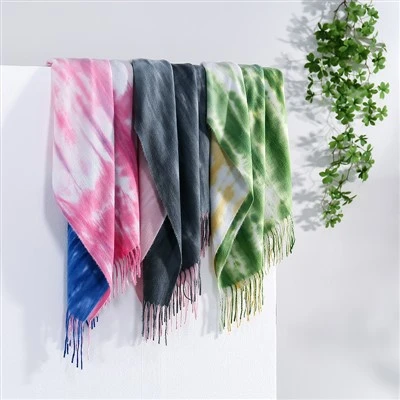
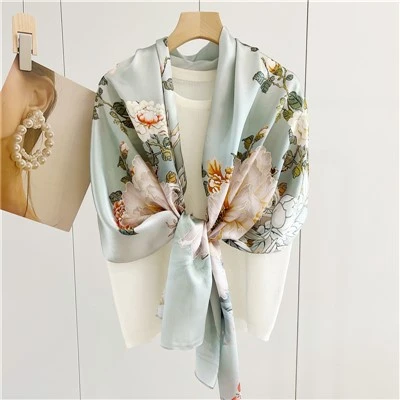
Tie-dye Scarf References:
Wright, A. (2019). Color Psychology in Apparel: How Shapes and Shades Influence Perception. Textile Research Journal, 89(15), 1482-1495.
Global Organic Textile Standard (GOTS). (2022). Certification Criteria for Organic Textile Production. Retrieved from industry textile regulatory archives.
Smith, L. (2021). The Timeless Appeal of Monochrome Accessories in Fast Fashion’s Wasteful Era. Journal of Fashion and Sustainable Practice, 7(2), 212-228.
Deqing Boliya Silk Co., Ltd.
Deqing Boliya Silk Co., Ltd. is one of the most professional solid color scarf manufacturers and suppliers in China, featured by quality products and good service. Please rest assured to wholesale the newest solid color scarf in stock here and get quotation from our factory. We also accept customized orders.
Address: Baibiao Industrial Zone, Xinshi Town, Deqing County, Zhejiang Province, China
E-mail: boliya@boliyasilk.com
WebSite: https://www.boliyasilk.com/
