Hey there! Let’s cut to the chase: when someone says “solid steel door,” you’ve probably seen these bad boys on office buildings, apartment lobbies, or even secure storage rooms. But as a steel door supplier who’s been in this game for over a decade, I get way too many questions like, “Is that really solid, or just thin steel with a fancy paint job?” So let’s break this down like we chat over coffee—no jargon, just straight talk about what makes a solid steel door worth every penny. Steel Door
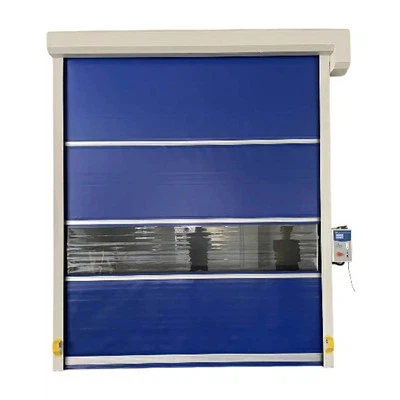
First off, let’s clarify what it isn’t. A lot of people mix up solid steel doors with the flimsy “steel-clad” ones you might find at a big-box store for a $100 bargain. Those have a thin sheet of steel (like 20-gauge or thinner) wrapped around a soft core—usually particleboard, foam, or even cardboard. Give that a good kick, and you’ll hear a dull thud, like punching a old pillow. That’s not solid, and it won’t hold up to a break-in, a bad storm, or even a kid slamming it 10 times a day.
A real solid steel door? It’s all about the steel gauge (that’s just the measure of how thick the steel is, lower number = thicker) and a core that’s not gonna collapse. For the standard stuff we supply for commercial buildings or multi-family units, we use at least 16-gauge steel for the face and back sheets. Some heavy-duty ones go even thicker—14-gauge, perfect for warehouses or server rooms where security’s non-negotiable. Now the core: skip that particleboard. Solid steel doors have a solid inner core. Wait, sometimes that core is solid steel? Or for cost-effective options, it’s dense mineral wool or reinforced polystyrene—but not the flimsy stuff. The key here is that the whole door doesn’t have any empty gaps or weak spots. Close it, and you get that tight, solid thud that makes you go, “Yeah, this is gonna last.”
Let’s talk about why that structure matters beyond just feeling tough. First up: security. Thieves look for doors they can kick in or jimmy open with a crowbar. A solid steel door’s thick steel resists prying, and the tight seal around the frame (we use heavy-duty hinges and a steel frame that’s welded, not just screwed) means there’s no gap to slip a tool into. For commercial clients, this isn’t just about theft—it’s about liability. If a intruder gets in because your door was garbage, that’s a problem. We had a client a couple years back who went with a cheap steel-clad door for their retail store; they got hit twice in three months because the lock broke through the thin steel. Switched to our solid steel doors, and it’s been three years without a single break-in. Case closed.
Next, durability. These doors don’t just fight crime—they fight everyday wear and tear. Apartments: tenants slamming doors, moving furniture scraping the edges, kids playing basketball near the lobby door. Solid steel doesn’t dent easy, and if it does, it’s way easier to fix than a wood door that chips or rots. We’ve got solid steel doors that are 20 years old and still look like new, just a little touch-up paint here and there. Also, weather resistance. If you’re in a place with heavy rain, snow, or salt air (like coastal areas), steel doors hold up way better than wood, which warps, or fiberglass, which can crack. We coat our doors with a baked-on enamel finish that resists rust, so even if the door gets splashed with salt water, it won’t bubble or corrode.
Wait, let’s not forget energy efficiency. A lot of people think steel is cold, so it’s bad for heating and cooling. But solid steel doors have that dense core we talked about—mineral wool or reinforced foam acts as insulation. So you’re not losing hot air in winter or cool air in summer through the door. That’s a win for your utility bills. Plus, the tight seal (that’s the weatherstripping we add) keeps drafts out, which is great for buildings that need to meet energy codes—another thing we help clients with, by the way.
Now, I know what you’re thinking: “This sounds expensive. Are solid steel doors worth the cash?” Let’s do a quick math check. A cheap steel-clad door might run you $150 now, but you’ll replace it in 5 years. A solid steel door from us? It’s $800, but it’ll last 20+ years. That’s way cheaper in the long run. Plus, the security and maintenance savings? No repainting every 3 years, no fixing dents from moving trucks, no replacing locks because the door’s weak. For commercial buildings, especially, that downtime for door repairs costs way more than the initial investment. We’ve had office complexes save over $10k a year on maintenance just by switching to solid steel doors.
Wait, but not all solid steel doors are created equal. Let’s call out the red flags. If a supplier calls a door “solid steel” but won’t tell you the gauge of the steel or what the core is, walk away. Some will cut corners: use 18-gauge steel (which is thinner, closer to the flimsy ones) or a hollow core that they call “solid.” We always tell clients exactly what they’re getting: 16-gauge face/back, mineral wool core, welded steel frame. No fine print, no hidden tricks. Also, check for fire ratings. If you need a door for a stairwell or a commercial kitchen, a solid steel door can get a 90-minute or 3-hour fire rating, which is way more reliable than a wood door with a fire treatment. That’s another big one for code compliance—something we handle for every project, no extra hassle.
Let’s also talk about use cases, because solid steel doors aren’t just for big buildings. Sure, they’re the go-to for office parks, apartment complexes, retail stores, and warehouses. But we also supply them for residential clients who want a secure front door, especially if they live in a high-crime area or a coastal zone. Last year, a homeowner near the coast switched from a fiberglass door to our 14-gauge solid steel door, and said it’s been through two hurricanes without a single scratch. It’s not just security—It’s peace of mind.
Now, as someone who’s on the ground working with these doors every day, I’ll be honest: solid steel doors aren’t perfect. They’re heavier than wood, so you need to make sure the frame and hinges are rated to hold that weight. We never sell a door without matching it to the right frame and hardware—no installing a heavy steel door on a flimsy wood frame, that’s a recipe for disaster. Also, the finish? If you skimp on the paint, it’ll rust. But we use industrial-grade finishes that are tested to last, so that’s not a problem.
So, to wrap this up: a solid steel door isn’t just a door made of steel. It’s a thick, well-built structure with a dense core and heavy-duty frame, designed to last, secure your space, and save you money long-term. It’s the difference between a cheap fix and a smart investment.

If you’re in the market for a steel door—whether it’s for a small apartment building, a retail store, a warehouse, or even a home—let’s chat. We can walk you through the different options, talk about gauge sizes, fire ratings, and whatever else you need to make sure you get exactly what fits your space and budget. No sales pitches, no fluff—just straight advice from a supplier who’s been doing this for years. Hit us up to get started on your next project.
Air Shower References:
- International Building Code (IBC) for Commercial Door Requirements, 2021 Edition
- National Fire Protection Association (NFPA) Standard for Fire Door Assemblies, NFPA 80, 2022 Edition
- Steel Door Institute (SDI) Technical Manual for Solid Steel Door Construction, 2023 Edition
Suzhou Denasi Intelligent Technology Co., Ltd.
As one of the leading steel door manufacturers and suppliers in China, we warmly welcome you to buy discount steel door for sale here from our factory. All products are with high quality and competitive price. Contact us for quotation.
Address: No.898 Jinsheng Road, Jinjiaba, Lili Town, Wujiang District, Suzhou City, Jiangsu Province
E-mail: ChinaDenas@163.com
WebSite: https://www.densiclean.com/
