If you’ve ever spent time around a busbar insulation machine, you know the noise doesn’t just feel annoying—it’s a legitimate issue for both operators and workshop teams. I’m [Your Name], the lead applications engineer here at a busbar insulation machine supply company, and over 12 years working with industrial machinery, I’ve heard countless complaints about excessive noise from this specific equipment. It’s not just about workplace comfort, either: OSHA’s noise exposure standards mandate that workers shouldn’t be exposed to more than 85 decibels (dBA) over an 8-hour shift, and busbar insulation machines often clock in at 90 dBA or higher, which can lead to long-term hearing damage, reduced productivity (when operators have to shout over noise or take more breaks), and even errors on precision tasks like busbar coating. Busbar Insulation Machine
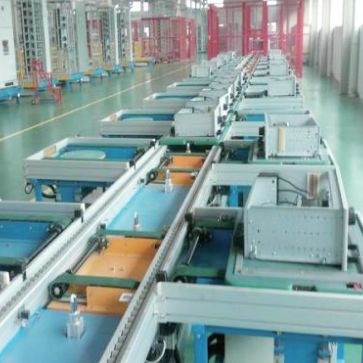
I’ve helped dozens of clients troubleshoot noise issues with their busbar insulation machines, and the solutions don’t require a complete overhaul of your equipment. Most of the time, the noise comes from small, fixable components or operational habits. Below, I’ll break down the science behind the noise, common causes we see on a daily basis, and actionable steps you can take to bring that decibel level down.
First, let’s get clear on what’s causing the noise in the first place. Busbar insulation machines work by applying a protective layer (usually polyurethane tape, epoxy, or thermoplastic coating) to copper or aluminum busbars, which are used to carry electrical current in switchboards, transformers, and other power distribution equipment. The machine has several moving parts: motors that pull the busbar through the coating line, rollers that guide the busbar, cutters that trim excess insulation, and fans that cool the coated material. Each of these parts generates noise through three main mechanisms: mechanical vibration, fluid (air or hydraulic) turbulence, and impact between hard surfaces. Understanding which mechanism is driving your machine’s noise is the first step to fixing it.
The most common source we run into is mechanical vibration from unbalanced or worn-out moving parts. For example, the roller assemblies that guide the busbar through the insulation process are under constant stress—they spin hundreds of times per minute against the metal busbar, which can cause them to become misaligned over time. If a roller is even slightly off-center, it creates a rhythmic vibration that translates into low-frequency hum or rumble, often the loudest part of a machine’s noise signature. Another culprit here is the main drive motor: if its mounting bolts are loose, or if its base isn’t secured to a heavy, vibration-dampening foundation, the motor’s internal gears and rotor will vibrate and amplify noise across the entire machine frame.
I worked with a switchgear manufacturer in Ohio last year that was struggling with operator complaints about their busbar insulation machine hitting 94 dBA. When our service team arrived, we first checked the rollers, which were 18 months old and had developed a slight oval shape from repeated contact with the busbar. The unbalanced rollers were causing the machine frame to vibrate at 120 Hz, a frequency that’s particularly unpleasant for human hearing. We replaced the rollers and retensioned the drive belt, which brought the noise level down by 11 dBA—enough to put it right at OSHA’s 85 dBA limit. That’s the kind of quick win most clients don’t expect.
Next, fluid-related noise, especially from hydraulic systems or cooling fans, is another big contributor. Many busbar insulation machines use hydraulic cylinders to apply pressure to the insulation tape or to feed the busbar through the coating process. Hydraulic noise usually comes from two places: turbulence in the fluid lines, which happens when oil is forced through narrow openings too quickly, and cavitation, which occurs when air bubbles form in the hydraulic fluid, collapse, and create a sharp, popping noise that’s often mistaken for something more serious. Cooling fans, which are critical to prevent overheating of the motor and insulation material, can also generate high-frequency noise if their blades are dirty, bent, or not balanced. We saw this same issue at a power components supplier in Texas: their 2022 model busbar insulation machine had a cooling fan that developed a small bend on one blade after a worker accidentally knocked it with a piece of copper stock. The bend caused the fan to vibrate rapidly, adding 8 dBA of noise—easily fixed by replacing the fan blade and doing a quick balance check.
Then there’s impact noise, which is the sharp, clanking sound you hear when two hard surfaces collide repeatedly. In busbar insulation machines, this often comes from the cut-off mechanism, which trims the coated busbar to length. If the cutter blades are dull, or if the gap between the blade and the anvil is too large, the blade will hit the anvil with a hard impact instead of slicing smoothly, creating a distinct clank every few seconds. Another common impact source is the busbar itself: as it moves through the machine, if it’s not properly guided, it can bounce against the internal components, leading to frequent small impacts that add up to noticeable noise over time.
Now that we’ve covered the main causes, let’s get into the specific, actionable solutions we’ve tested and proven for busbar insulation machines. These steps are tailored to this type of equipment, so they’re more effective than generic noise reduction tips.
First, conduct a baseline noise test. Before you make any changes, use a decibel meter to measure the noise level at the operator’s position (that’s where exposure is highest) and at different points on the machine. This will help you pinpoint the exact source—if the noise is loudest near the rollers, focus on those; if it’s near the hydraulic lines, check for turbulence. We recommend testing when the machine is running at full capacity, because noise levels can change depending on how much load the equipment is under.
Next, address mechanical vibration at its source. For roller assemblies, schedule quarterly inspections to check for misalignment, wear, or balance. Most of the time, a quick alignment check (using a laser alignment tool, which we provide with every new machine) will fix minor misalignment, but if a roller is worn beyond repair, replace it with a precision-machined roller (we use steel rollers with a rubber lining on our machines to reduce impact noise, and we recommend clients do the same as retrofits). For drive motors, make sure they’re mounted on a vibration-dampening base—we offer rubber or neoprene dampers as an add-on for all our machines, and retrofitting these can reduce vibration noise by 5 to 10 dBA. Tighten all mounting bolts regularly, because even a loose bolt that’s only finger-tight can create significant vibration.
If fluid noise is the issue, adjust your hydraulic system first. Make sure your hydraulic oil is the correct viscosity for your machine’s temperature—too thin and it will flow too quickly, causing turbulence; too thick and it will strain the pump, adding noise. Check for cavitation by looking at the fluid lines for air bubbles; if you see them, bleed the air from the lines and make sure the oil reservoir is filled to the correct level. For cooling fans, clean the blades monthly with compressed air, and inspect for bends or damage—we balance all our fans during manufacturing, but after a few years of use, small impacts can throw them off. If your fan is older than 5 years, replacing it with a newer, quieter model (with a lower noise rating, usually labeled on the fan’s specifications) can make a big difference.
For impact noise, start with the cutter mechanism. Dull blades don’t just create bad cuts—they require more force to slice through the insulation, leading to louder impacts. Sharpen or replace your cutter blades every 6 months, or more often if you’re running your machine 24/7. Adjust the gap between the cutter blade and the anvil to 0.1 to 0.2 mm—any larger and the blade will clank instead of slicing, any smaller and it will wear out faster. For the busbar itself, add guide rollers on either side of the feed area to keep the busbar stable as it moves through the machine; this prevents bouncing and reduces impact noise by up to 7 dBA in most cases.
There are also enclosure and operational adjustments you can make, if the above steps don’t bring noise down enough. Adding a sound-dampening enclosure around the machine is a last resort, but it’s effective for reducing noise exposure for nearby workers. We design our enclosures with acoustic foam and a rigid outer frame to reflect sound away from the operator, and they’re easy to install as a retrofit. Another option is to adjust the machine’s speed: busbar insulation machines often run faster than necessary, and reducing the feed speed by 10 to 15% can cut noise significantly without affecting the quality of the insulation. We tested this with a client in Michigan last year, and their machine’s noise dropped 6 dBA just by slowing the feed speed from 10 meters per minute to 8.5 meters per minute.
One thing I always emphasize to clients is that noise reduction isn’t a one-time fix—you have to stay consistent with maintenance. I’ve seen clients install new rollers and dampers, then skip a year of inspections, only to have noise creep back up to 90 dBA again. Our service team offers annual noise audits for all clients, which includes a full machine inspection, a decibel test, and recommendations for adjustments to keep noise levels low. If you’re unsure about where to start, our team can come on-site (or work with your maintenance team remotely) to diagnose the issue—we’ve done this for hundreds of clients, and we never charge extra for the initial consultation.
I know noise issues can feel overwhelming, especially if you’re running a busy workshop with tight deadlines. The good news is that most busbar insulation machine noise problems are simple to fix, and they don’t require a huge investment. Whether you’re dealing with a new machine that’s noisier than expected or an older unit that’s worn out over time, the steps above will help you get your noise levels down to a safe, comfortable range.
If you’re ready to take the next step to reduce noise from your busbar insulation machine, or if you have questions about retrofits, maintenance, or noise testing, don’t hesitate to reach out. Our team works with clients of all sizes, from small job shops to large power distribution manufacturers, and we can customize a solution that fits your needs and budget. We’re committed to not just selling machines, but helping you keep your operations safe, productive, and efficient—starting with reducing that unwanted noise.
Busbar Storage References
- Occupational Safety and Health Administration (OSHA). "Noise Control in Workplaces." OSHA Technical Manual, 2021.
- Busbar Insulation Machinery: Operation, Maintenance, and Noise Mitigation Guide. Industrial Power Equipment Association, 2022.
- Acoustic Noise Reduction for Industrial Machinery. National Institute for Occupational Safety and Health (NIOSH), 2020.
- Hydraulic System Noise: Causes and Solutions. Fluid Power Society, 2023.
- Vibration Analysis for Rotating Industrial Equipment. Society for Maintenance and Reliability Professionals, 2021.
Suzhou Kiande Electric Co., Ltd.
Suzhou Kiande Electric Co., Ltd. is one of the most professional busbar insulation machine manufacturers and suppliers in China, also supports custom service and OEM&ODM service. Welcome to buy durable busbar insulation machine made in China here and get quotation from our factory. Quality products and reasonable price are available.
Address: No.123, Suzhou Avenue East, Suzhou Industrial Park Suzhou, Jiangsu 215000 China
E-mail: saleswmkc@kiande.cn
WebSite: https://www.busbarcncmachine.com/
