As a cargo truck supplier, I’ve spent over a decade on roadways and loading yards across the country, working with fleets big and small, owner-operators running solo routes, and small business owners just scaling their first delivery teams. Some of my most memorable conversations aren’t about how durable our trucks’ frames are or how smoothly their transmissions shift—they’re about the day a load shifted on the highway, totaled half a shipment, took out a guardrail, and left a driver with a broken arm. Those stories stick with me because safety isn’t an afterthought when it comes to cargo trucks—it’s the entire foundation of why we do what we do. Cargo Truck
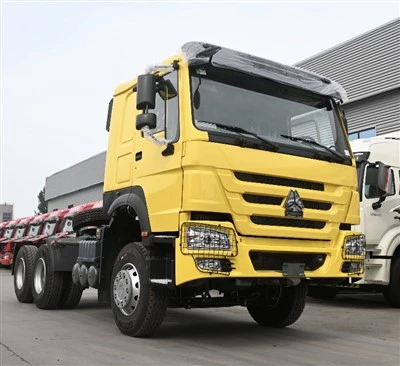
A lot of new owners I talk to think loading a truck is just cramming boxes in until the doors close. I get it; when you’re in a rush to meet a pickup time, it’s easy to cut corners. But every time I see a load that isn’t secured right, I see a problem waiting to go wrong. This isn’t just about avoiding fines (though the FMCSA has strict rules for a reason) — it’s about keeping the driver safe, keeping the cargo intact, and making sure you don’t have to spend weeks paying for repairs or lost revenue because a load came loose at 65 miles an hour. Over the years, I’ve worked with our team of technicians and veteran drivers to put together a step-by-step guide to loading a cargo truck safely, the way we teach our own customers during their truck orientation.
First, before you even touch a single box, you have to match the load to the truck. Too many new owners pick a truck that’s too small for what they’re hauling, or worse, overload a truck that wasn’t built for that weight. I see this all the time: a local bakery trying to use a 10-foot pickup to haul 200 cases of bread, cramming it all in and exceeding the truck’s gross vehicle weight rating (GVWR) by 1,200 pounds. That extra weight doesn’t just make the brakes take twice as long to stop—it strains the suspension, wears out tires faster, and makes the truck harder to handle on curves or in a rainstorm. Even if you have a bigger truck, you can’t just load it up blindly. The GVWR is clearly marked on our trucks’ door jams and in the owner’s manual, and there’s also the axle weight rating. Most of our standard 24-foot box trucks, for example, have a front axle rating of 10,000 pounds and a rear axle rating of 14,000 pounds. If you load 8,000 pounds on the front axle and 15,000 on the rear, you’re overloading the rear axle, which can bend the axle beam, warp the frame, or even cause a blowout on the rear tires. That’s why our team always tells new customers: measure your total cargo weight before you book a truck, and leave at least 10% of the GVWR free for any last-minute items you might add. It’s better to rent a slightly larger truck than to risk a breakdown before you even hit the road.
Next up: balancing the load. This is where most people slip up. You might have a ton of heavy boxes, but if you pile all of them in the back left corner, that truck is going to tip if you take a sharp turn, and it’ll pull hard to the right every time you drive. The golden rule here is to distribute weight evenly between the front and rear axles, and left and right sides, with the heaviest items low to the ground and centered. Why low? Because the higher the center of gravity, the more unstable the truck is. A pile of 50-pound boxes stacked 8 feet high on a 24-foot truck has a way higher center of gravity than the same boxes spread out along the floor, and that can make the truck sway in high winds or when you pass a semi. For heavy items like pallets of water, equipment, or industrial supplies, I always recommend placing them right above the rear axles, which are designed to handle the most weight. If you have lighter, bulkier items like clothing or plastic containers, you can put them on top of the heavy pallets, but make sure they’re not sticking out over the sides or back. I learned this trick early on from an owner-operator who’s been a customer of ours for 12 years: when loading heavy items, use a forklift or hand truck to place them, and never lift a box that weighs more than 50 pounds by yourself—back injuries are just as dangerous as shifting cargo.
Once your load is balanced, the next step is securing it. This is non-negotiable, no matter what you’re hauling. I’ve seen loads secured with nothing more than a few bungee cords, and that’s a disaster waiting to happen. For box trucks, we use E-track systems on the walls and floor of our trucks, which are designed to work with different types of straps, but if you have an older truck (or if you’re using a different truck than one of ours), there are universal rules for strapping down cargo. First, use the right equipment for the job. For general cargo, 2-inch wide ratchet straps are standard; for heavier loads, go with 3-inch straps, and never use a rope to secure heavy items—rope stretches and can break suddenly under pressure. How many straps do you need? A good rule is one strap for every 10 feet of cargo, and at least two straps per pallet or heavy item. You want to make sure each strap is tight, but not so tight that it crushes the cargo. A lot of people over-tighten straps, which can damage boxes, break fragile items, or even warp the wall of the truck. When you pull a ratchet strap, give it a good tug after the first pull, then tighten it one more time once it’s in place. Also, always attach straps to the E-track’s anchor points, not the interior walls or floor panels of the truck. Those panels aren’t designed to hold the tension of a loaded strap, and they’ll pull out, leaving your load unsecured. For any overhang—like a load that sticks out more than 4 feet past the back of the truck—you have to add extra straps and add a bright red or orange flag to the end of the overhang so other drivers can see it.
Speaking of fragile items, that’s a whole separate category of loading that a lot of people overlook. If you’re hauling glass, electronics, or medical supplies, you can’t just stack them next to heavy pallets. We always tell customers to use dividers between fragile items, or place them in their own crates with foam padding, to prevent them from shifting into each other during a sudden stop. If you have fragile items that can’t be strapped down, place them in the front of the truck, against the bulkhead—the metal wall between the cab and the cargo area. That bulkhead is designed to take the impact of a load shifting forward, so it’s a safe spot for anything that can’t be secured. Never put fragile items near the back doors, because if a load shifts backward in a sudden stop, those items are the first to get crushed. For temperature-controlled loads, like food or pharmaceuticals, there’s an extra step: you have to make sure the air circulates properly. Don’t block the air vents in the refrigerated box with cargo, and leave a small gap between loads to let cool air flow evenly. We had a customer a few years ago who loaded 50 frozen chicken boxes right on the vent of their reefer truck, and by the time they made their delivery, 20 boxes were spoiled because the air couldn’t circulate. That’s a $2,000 mistake that could have been avoided with a little extra planning.
Before you close the back doors and drive off, there are two final checks that will save you so much trouble. First, do a full walkaround of the cargo area. Open the back doors and check all the straps: make sure none are loose, none are tangled, and all are still attached to the anchor points. If you have overhanging cargo, double-check that the flag is secure and visible. Then, look up at the top of the load—make sure there’s no overhang along the sides that would hit a low bridge or a tree branch. I had a customer last year who didn’t check the top of their load, and they clipped a low bridge sign on a rural road, damaging the top of their load and bending the sign so it fell into the road. That delay cost them three hours, and they had to pay for the sign repairs. The second check is to do a test drive. Back out of the loading yard and drive around the block at a low speed—15 or 20 miles an hour. When you hit a small pothole or make a gentle turn, feel the truck to see if it’s pulling to one side or if it feels unsteady. If it does, pull over, open the back doors, and adjust the load. A test drive is way easier than stopping on the highway at rush hour to fix a shifting load.
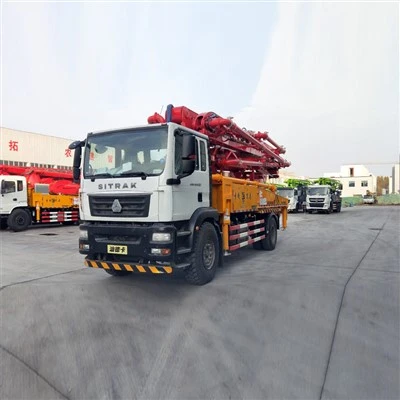
As a cargo truck supplier, my job isn’t just to sell you a truck. It’s to make sure you and your drivers stay safe, and your business runs smoothly. I’ve seen so many small businesses lose everything because of a simple loading mistake, and it doesn’t have to be that way. The rules I’ve laid out—matching load to truck, balancing weight, securing properly, checking fragile items, and doing the pre-drive walkaround—aren’t just industry jargon. They’re the same steps we teach every customer when they pick up a truck from us, and they’re the steps that keep our customers coming back year after year. If you’re in the market for a new cargo truck, or if you’re looking to upgrade your current fleet, I’m here to help you pick the right truck for your needs, and walk you through all the safety tips to keep your loads secure on every route. Feel free to reach out to discuss your specific requirements and find the perfect solution for your business.
Lowboy Semi-Trailer References
- Federal Motor Carrier Safety Administration (FMCSA). Cargo Securement Rules for Commercial Motor Vehicles. 49 CFR Part 393.
- North American Cargo Securement Standard. National Motor Freight Traffic Association, 2021.
- Commercial Vehicle Safety Alliance (CVSA). Cargo Securement Best Practices Guide. 2022.
- Truck Safety Coalition. Safe Loading Guidelines for Light and Medium Duty Cargo Trucks. 2020.
Jining Dafu Machinery Sales Co., Ltd.
As one of the most professional cargo truck suppliers in China, we’re featured by quality products and low price. Please rest assured to wholesale bulk cheap cargo truck from our factory. We also accept customized orders.
Address: Room 1-115, Building 7, Luxinan Auto Parts City, Qiantongdian Village, Quanpu Town, Liangshan County, Jining City, Shandong Province
E-mail: truckfactory888@gmail.com
WebSite: https://www.dafumachinery.com/
