As a dental handpiece supplier who’s worked with small private practices and large group clinics alike, I’ve seen first-hand how choosing the wrong reduction handpiece can turn a routine restorative procedure into a frustrating, time-consuming, or even uncomfortable experience for both dentists and patients. I’ve also seen practices waste thousands of dollars on tools that don’t fit their workflow, only to replace them within a year. That’s why today, I’m pulling back the curtain on what I share with every practice that reaches out to me: the actionable, practical steps to pick a dental reduction handpiece that works for your team, your procedures, and your budget. Dental Reduction Handpiece
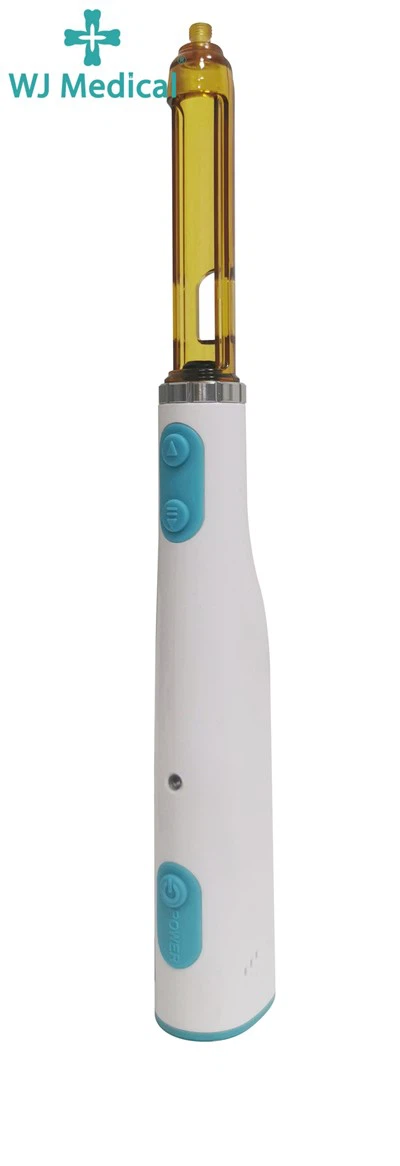
First, let’s clarify what a “dental reduction handpiece” actually is, because there’s way too much confusion between this and other types of handpieces (like high-speed surgical handpieces or slow-speed prophylaxis ones). A dental reduction handpiece is most often a low-to-moderate speed tool designed for precise, controlled removal of tooth structure—whether that’s shaving down a tooth to fit a crown, trimming composite fillings, contouring inlays, or even preparing a cavity for a small restoration. Unlike high-speed handpieces that spin at 300,000+ RPM, reduction handpieces usually fall between 10,000 and 40,000 RPM, which makes them better for the delicate, finessed work that defines restorative and cosmetic dentistry.
So why does choosing the right one matter? Let’s start with patient experience. A handpiece that vibrates excessively will not only make a patient’s mouth feel like it’s being jostled, but it can also cause micro-trauma to the tooth’s soft supporting tissues, leading to postoperative sensitivity or discomfort. For dentists, a handpiece with weak torque (the rotational force that lets it cut through enamel or composite without stalling) will force you to apply more pressure, leading to hand fatigue, repetitive strain injury (RSI), and longer procedure times. For practices, a cheap handpiece that breaks every three months adds up in replacement costs, while a high-end model with features you’ll never use is a waste of overhead.
Now, let’s get into the actionable criteria I walk every practice through. The first, and most important, is matching the handpiece to your specific case load. This is where I always start, because a handpiece that works for a practice that does 80% crown prep will be totally wrong for one that does most of its work on small fillings and cosmetic contouring. Let’s break this down: if your caseload is dominated by full-mouth crown and bridge procedures, you’ll need a reduction handpiece with high torque (at least 30 Ncm, if you want a number to reference) to cut through dense enamel without stalling, even when you’re using a coarse diamond bur. You’ll also want a handpiece that’s compatible with standard latches for large burs, because crown prep usually requires larger, more aggressive cutting tools. On the flip side, if your practice focuses on minimal-intervention dentistry (MID), small composite revisions, or cosmetic contouring (like shaping veneers or adjusting bonding), you’ll want a lower-torque, more precise handpiece with a smaller head. A high-torque model here will be too aggressive, making it easy to remove too much healthy tooth structure, which is the last thing you want for conservative cases. Even if you do a mix, don’t fall for the myth that a “one-size-fits-all” reduction handpiece works. Many practices that do both high-torque crown prep and delicate cosmetic work end up investing in two: a versatile mid-torque model for most cases, and a lightweight, low-torque alternative for precision work. That might sound like an extra cost up front, but it saves you from compromising on procedure quality.
The second big factor is ergonomics, and this is personal—every dentist has different hands, different grip strengths, and different needs for long shifts. RSI is a real issue in dental care: studies show that up to 70% of dentists experience work-related musculoskeletal disorders, and handpieces are a major contributor. So when evaluating ergonomics, start with weight. A handpiece that’s too heavy (over 300 grams, for reference) will tire out your wrist and forearm by the end of a 10-procedure day. That’s a non-negotiable for anyone who spends hours manipulating their handpiece. Next, look at the grip: is it textured for non-slip control even when you’re wearing gloves, or smooth and round? Textured grips are great for dentists with a steady hold, but if you have small hands or arthritis, a contoured, slim grip is going to be way more comfortable. You should also check the head size. Smaller heads (often called “mini” heads) are ideal for working in tight spaces, like posterior molars or between teeth, where you need to navigate around adjacent teeth or gum tissue. Larger heads work better for open, anterior cases where you have more room to maneuver. Another ergonomic detail many practices overlook is the swivel connector, the part that attaches the handpiece to your dental unit. A 360-degree swivel prevents the hose from twisting or tangling during long procedures, which is a small thing but makes a huge difference in your workflow and reduces the chance you’ll jostle the handpiece when you’re focused on a precise cut.
Third, build quality and durability—this is where the “cheap vs. value” tradeoff shows up, especially for busy practices that use their handpiece 8+ hours a day. Let’s be clear: a $50 reduction handpiece might work for the first month, but after 50 uses, the bearings will wear out, the torque will drop, and you’ll have to replace it. A higher-quality model, even if it’s $200 or $300, can last 3-5 years with proper maintenance, which is a way better long-term investment. When evaluating build quality, ask about the materials: the best reduction handpieces use medical-grade stainless steel for the head and body, which is corrosion-resistant and can withstand the high-temperature autoclaving required for infection control. Avoid handpieces made with cheap plastics or coated metals that can peel or crack after a few sterilization cycles, because that’s not only unsafe for patients but also a replacement waiting to happen. You should also look at the bearings: ceramic bearings are better than stainless steel for dental handpieces, because they spin more smoothly, generate less heat, and last longer even with heavy use. Heat generation is another key point here—excess heat from a handpiece can damage pulp tissue during prep, leading to postoperative pain or even root canals. A quality handpiece will have built-in cooling channels to direct water or air over the bur to keep it cool, which protects both the tooth and the handpiece itself from overheating. If you’re working in a practice that does a lot of procedures, this feature is non-negotiable.
Fourth, compatibility with your existing equipment and workflow. This is another mistake I see all the time: dentists buy a handpiece online, get it in the mail, and realize it doesn’t fit their dental unit, or the burs they already use. There are two main types of reduction handpieces: those that use a latch-type bur (push-to-lock) and those that use a friction-grip (self-holding) bur. Latch-type burs are more common for large, aggressive cutting, like crown prep, while friction-grip burs are lighter and more precise for cosmetic work. Most handpieces work with one or the other, so make sure you match it to the burs you already have—no need to spend more money replacing all your burs right away. You should also check if the handpiece is compatible with your autoclave. Some cheaper handpieces can’t withstand the high pressure and temperature of standard dental autoclaves, which will damage them over time. Also, think about your team’s workflow: if you have multiple dentists in the practice, you might want handpieces that are interchangeable between units, so you don’t have to assign a specific handpiece to each provider. If you do one-off procedures, a single handpiece that’s easy to switch between units is more practical.
Fifth, budget, and I know this is a big one for small practices and startup clinics. But here’s the thing: “budget” doesn’t always mean “cheapest.” Let’s break this down. For a small practice that’s just starting out, or a mobile dentist who does only a few procedures a week, a mid-tier handpiece (around $150-$250) with basic features (good torque, durable build, compatible with standard burs) is a great option. It’s cheaper than a high-end model, but it’s built to last longer than the super-cheap ones. For a busy general practice that does crowns, bridges, and fillings 5 days a week, a mid-to-high tier model (around $250-$400) is worth the investment, because it reduces fatigue, works faster, and lasts longer. For a specialty practice, like a cosmetic dentistry clinic or a prosthodontist that does all crowns and veneers, a high-end model (over $400) with top-tier bearings, ergonomic design, and advanced cooling will give you the precision and durability you need to keep up with a high volume of precise cases. The key here is to avoid overspending on features you don’t need, but also avoid underspending on features that will cost you more in the long run. For example, if you’re a solo dentist doing 2 crowns a week, you don’t need a $500 handpiece with extra torque for full-mouth cases, but you also don’t need a $50 handpiece that will break after 6 months.
Now, let’s add a few practical tips from actual hands-on experience that I’ve picked up over the years. First, always ask for a trial if possible. A lot of suppliers, including mine, will let you test a handpiece for 2-4 weeks in your actual practice, on your actual cases. There’s no substitute for holding a handpiece during a crown prep, feeling the torque, seeing how it maneuvers in a tight molar, and noticing if it’s comfortable after an hour of use. Second, check the warranty. A good handpiece should come with a warranty of at least 1 year, and many top brands offer 2-3 years. If a supplier doesn’t stand behind their handpiece with a solid warranty, that’s a red flag. Third, think about maintenance. All handpieces need regular servicing—bearings need to be replaced, hoses need to be checked, and internal parts need to be lubricated. Some handpieces have a sealed design that makes maintenance easy, while others require professional servicing every few months. Factor in the cost of maintenance when you’re budgeting, because that’s an ongoing expense that adds up over time.

At the end of the day, choosing the right dental reduction handpiece is about balancing your specific needs, your team’s workflow, and your long-term costs. If you’re still not sure where to start, I’m here to help. I work with practices of all sizes to assess their caseload, their current equipment, and their budget, and recommend handpieces that actually fit their practice, not a one-size-fits-all model. Whether you’re a solo dentist just opening your doors, or a large group clinic looking to update your equipment, I can walk you through every step, answer your questions, and help you avoid the mistakes that so many practices make when purchasing their first (or next) reduction handpiece. There’s no pressure, just honest advice from someone who’s been in this space for years, helping dentists get tools that make their jobs easier and their patients happier.
High Speed Handpiece References
- American Dental Association. (2021). Dental Handpiece Selection and Maintenance Guidelines. American Dental Association Press.
- National Institute for Occupational Safety and Health. (2020). Work-Related Musculoskeletal Disorders among Dentists and Dental Hygienists. NIOSH Publication.
- Journal of Clinical Dentistry. (2022). The Impact of Handpiece Torque and Ergonomics on Restorative Procedure Outcomes and Clinician Fatigue. Journal of Clinical Dentistry, Vol. 33, No. 2, pp. 45-52.
- World Health Organization. (2019). Infection Prevention and Control in Dental Settings. WHO Press.
Foshan Wenjian Medical Instrument Co., Ltd.
Foshan Wenjian Medical Instrument Co., Ltd. is one of the most professional dental reduction handpiece manufacturers and suppliers in China, featured by supplying high quality medical devices. Welcome to wholesale dental reduction handpiece at competitive price from our factory. For more company information, contact us now.
Address: Workshop A, Sanyi Logistics, Shishan Town, Nanhai District, Foshan City, Guangdong Province, China
E-mail: export@wenjian88.com
WebSite: https://www.chinaywjmed.com/
