Hey everyone, I’m [Your Name], one of the co-founders here at our heat-sealable food film company. Over the years, I’ve lost count of how many times I’ve chatted with customers—small café owners, home bakers, even family members—who ask me the same question: “If I seal my food tight with your film, how long can I leave it in the fridge before it goes bad?” It’s such a relatable question, right? No one wants to throw out half a container of leftover pasta because they were nervous it’d turn, or risk eating something that’s not safe. Today, I’m breaking this down like I would over a cup of coffee with a friend—no stuffy lab jargon, just what we’ve learned from working with this stuff every single day plus some actual food safety facts. Heat-sealable Food Film
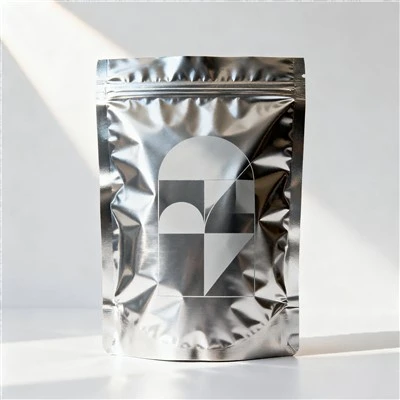
First, let’s get one thing straight: heat-sealable food film isn’t magic. It’s not going to turn a 3-day-old leftover into something fresh off the stove. But it does make a huge difference in how long food stays good, and that’s where most people get confused. Let’s start with the basics of what fridge temps should actually be. The USDA says your fridge needs to be at or below 40°F (4°C) to slow bacteria growth. If your fridge is warmer than that—say, because you stuff it so full the door’s hard to close, or the fridge’s thermostat is stuck on too high—all bets are off, sealed film or not. I’ve seen customers keep their fridges at like 50°F because their kids leave the door open a hundred times a day, and that’s a quick recipe for spoiled food, no matter how well you seal it.
Now, when we talk about how long food stays safe in heat-sealable film, it all boils down to two things: what the food is, and how well the film seals. Let’s split that into two parts. First, the food itself. Perishable foods have different shelf lives in the fridge regardless of packaging. For example, raw poultry or seafood? Those guys are bacteria magnets. Even if you seal them tight with our film, you can’t leave them in the fridge for more than 1 to 2 days. Cooked leftovers, like that roasted chicken you made Sunday? Sealed right, they’ll last 3 to 4 days. Then there’s stuff like deli meats or hard cheeses—those can go a little longer, like 5 days, when sealed. Non-perishables? Wait no, we’re talking fridge, so non-perishables don’t go in there. Wait, right, all the stuff we’re covering is refrigerated, so skip that part. What about leftovers like fresh veggies? If you seal them properly with our film, they’ll hold their crispness for up to a week, but they’re still veggies, so the main spoilage here is texture, not dangerous bacteria—unless they go moldy, obviously.
Then there’s the sealing part, which is where our film actually shines, and where a lot of people mess up. You can have the best heat-sealable film in the world, but if you just crimp the edges like you’re sealing a snack bag and call it a day, it’s not going to help. Proper heat sealing creates an airtight, moisture-proof barrier that keeps out two of the biggest enemies of fridge food: air and moisture. Air has oxygen, which makes food go stale (hello, that sad, crumbly loaf of bread you forgot about) and feeds bacteria that cause things to spoil faster. Moisture leads to that soggy, gross texture on cooked veggies or meat. A bad seal means air and moisture get in, so your food will spoil as if it was just in a regular container. But a good seal? It cuts that spoilage time in half, easy. I had a regular customer who runs a sandwich shop tell me before we switched to our film, their turkey sandwiches would go bad in 3 days. Now, sealed tight, they last 5 days—enough for them to make 10 sandwiches a morning, sell them over two days, and almost no waste. That’s the stuff that matters.
Wait, but let’s address a common myth: some people think that if you vacuum seal (which our film can handle, by the way) food, you can leave it in the fridge for weeks. No, that’s what freezers are for. Even vacuum-sealed, perishable foods in the fridge will still go bad eventually. Bacteria like Listeria and Salmonella can actually grow slowly even at fridge temps, especially if there’s any air left in the seal. I remember once a customer came to me panicking because they’d sealed a batch of homemade soup in our film and left it for two weeks. Turned out, they’d only sealed it halfway, so there was still air inside, and the soup was stored a little above 40°F. It wasn’t safe to eat, and that’s a good reminder—even with great film, you can’t ignore basic fridge rules.
Another thing to consider: cross-contamination. Heat-sealable film keeps your food separate from other stuff in the fridge, right? But if you seal raw chicken next to cooked pasta, even if the film is good, if the chicken leaks (which can happen if you seal it wrong), that raw juice can get through. Wait, no—proper heat-sealable film is waterproof, so leaks shouldn’t happen. But if you overfill the bag when sealing, and the excess liquid squishes out, then yeah, it can mix. That’s why we always tell customers to leave about an inch of headspace at the top before sealing. Makes the seal stronger, and no messy cross-contamination risks.
Let me run through some common food examples to make this concrete, since numbers help. These are for when you use our film and seal it properly, fridge at 40°F or below:
- Raw red meat (beef, pork): 3-5 days. Sealed right, way longer than if it’s just in a store package, which usually only lasts 2 days in the fridge.
- Cooked meat (roast, steak, chicken): 3-4 days. Same as un sealed, but the texture stays way better—no dried-out edges, no weird fridge smells seeping in.
- Leftover soups, stews, chili: 3-4 days. Pro tip: seal them in small portions so you don’t have to reheat the whole batch every time. Saves energy, and leftover soup actually tastes better when you only reheat what you need.
- Fresh, prepped veggies (washed, cut): 5-7 days. Sealed this way, they don’t get mushy or wilted like they do in a crisper drawer. Great for salads or snacking.
- Deli meats and cheeses: 5-7 days. Most store-bought deli packs are open after a day, so this is a huge win for reducing waste.
Now, what about when that time’s up? The best rule is: if it smells off, looks slimy, or has any mold, toss it. Don’t take chances. Our film keeps food fresh longer, but it doesn’t make it immune to spoilage. I’ve had a few customers ask me if they can extend this time by freezing food sealed with our film. Short answer: yes! If you seal food tightly and throw it in the freezer, most things will last 3-6 months. But that’s a whole other conversation—we’re sticking to the fridge today.
Wait, let’s talk about common mistakes people make that cut that time short. First, sealing too hot or too cold. Our film is designed to work with a specific heat setting—if you crank the heat too high, you’ll melt the edges and get a bad seal. If you set it too low, the film won’t bond, so air gets in. We always send little quick-start guides with our film that explain this, but I still hear from people who skip that part. Second, overstuffing the bag. We see this all the time—customers try to cram a whole casserole into a bag that’s too small, so they have to stretch the film, which weakens the seal. Third, keeping your fridge too warm. I’ve tested fridges at customer’s places before, and half of them are running at 45°F or higher. That’s like leaving food out on the counter a little, just slower. If your fridge is above 40°F, cut all those fridge times I mentioned in half.
A lot of small businesses use our film because it’s not just about shelf life—it’s about reducing waste. I worked with a local bakery last year that was throwing away $800 worth of leftover pastries every week because they’d go stale after 2 days. Now, they seal their croissants and muffins with our film, and they last 5 days in the fridge. They cut their food waste by 70%, which is a game-changer for a small business with tight margins. That’s why we don’t just sell film—we sell solutions to help people save money and eat safer.
I should also mention that heat-sealable food film isn’t just for solids. We get a lot of requests for liquid packaging too—sauces, dressings, marinades. The same rules apply: seal properly, leave headspace, keep fridge below 40°F. Liquid in a sealed film bag doesn’t go bad faster than solid food, it just needs a good seal so it doesn’t leak all over the other stuff in your fridge.
At the end of the day, the answer to “how long can you leave food in heat-sealable film in the fridge” isn’t a one-size-fits-all number. It’s a mix of what food it is, how well you sealed it, and how your fridge is set. But the short version is: 1-5 days, depending on the food, if you use our film and do it right. If you skip the good seal, or your fridge is too warm, that number drops.

If you’re someone who’s tired of throwing away half-eaten meals, or a small business looking to cut food waste, we’d love to chat. We’re here to help you pick the right film for your needs, whether you’re sealing leftover dinners, deli meats, or bakery goods. No pushy sales stuff, just honest answers about what works and what doesn’t.
Vacuum Food Bags References
- U.S. Department of Agriculture. (n.d.). Refrigerator and Food Storage Temperatures. Food Safety and Inspection Service.
- Food and Drug Administration. (2022). Food Storage Guidelines for Consumers.
- National Restaurant Association. (2021). Best Practices for Food Packaging and Waste Reduction.
- Institute of Food Technologists. (2020). Oxygen Barrier Properties of Food Packaging Films and Shelf Life Extension.
Shandong Yiming Plastic Products Co., Ltd.
As one of the most professional heat-sealable food film manufacturers in China, we’re featured by quality products and good price. Please rest assured to wholesale cheap heat-sealable food film made in China here from our factory. Customized orders are welcome.
Address: Opposite Tower Pole Factory, south of Hengliu road, Shunwang Sub-district, Zhucheng City, Weifang City, Shandong Province
E-mail: sdyiming16888@qq.com
WebSite: https://www.toppackingsolution.com/
