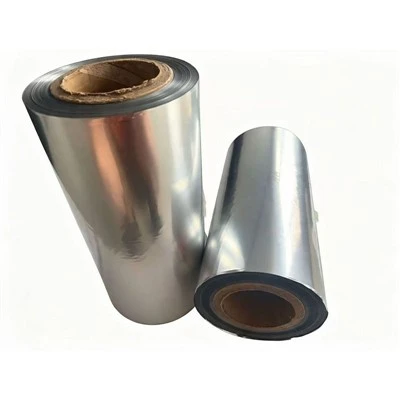
If you’ve ever grabbed a snack from a shelf, pulled a frozen dinner out of a fridge, or peeled back a wrapper to get to a bottle of hand sanitizer, chances are you interacted with a flexible packaging product that used Standard BOPET Film as its core. For years, when people talk about flexible packaging, the conversation often leans into flashy new materials—bioplastics, specialized barrier films, high-tech laminates that promise to cut waste or extend shelf life—but the workhorse of the industry has stayed quietly consistent: Standard BOPET (biaxially oriented polyethylene terephthalate) Film. As a supplier of this material, I see firsthand how it’s not just a “backdrop” for flexible packaging; it’s the foundational layer that makes almost every convenient, affordable, and safe packaged product possible. Let me walk you through what Standard BOPET Film is, why it’s non-negotiable for flexible packaging, and why it continues to outperform alternatives even as the packaging industry evolves. Standard BOPET Film

First, let’s cut through the industry jargon to define what Standard BOPET Film actually is, in simple terms. Polyethylene terephthalate (PET) is a common thermoplastic polymer you’ll recognize from water bottles and clothing fibers. Biaxial orientation is the manufacturing process that makes it “standard” film: we heat the raw PET resin to a precise temperature, then stretch it in two directions—lengthwise and widthwise, like pulling a piece of cookie dough in both directions to make it thinner, stronger, and more uniform. This stretching aligns the PET molecules, which transforms the material from a basic plastic sheet into something far more useful for packaging. Unlike unoriented PET, which is flimsy and easy to tear, Standard BOPET Film is rigid yet flexible, has consistent thickness, and comes in rolls that can be run at high speeds on packaging lines—something that’s critical for large-scale production.
Now, let’s talk about its core role in flexible packaging. Flexible packaging isn’t just plastic bags; it’s any packaging that bends easily: snack pouches, cereal liners, frozen food wrappers, cosmetic sachets, medical device blister packs, even the film around pre-packaged produce. Every one of these needs to do a few key things: protect the product inside, keep contaminants out, be easy to open or use, and be affordable enough for brands to sell at a price consumers can afford. Standard BOPET Film checks all these boxes, and does so reliably, day in and day out.
The first and most obvious role is product protection. When a brand spends weeks developing a great snack or cleaning product, the last thing it wants is that product getting damaged before it reaches the store. Standard BOPET Film has excellent tensile strength—meaning it can stretch and resist tearing, punctures, and abrasions. Think about a bag of nuts: if it was made from a thin, flimsy film, a sharp nut shell could poke through before you even get home from the grocery store. Or a frozen food package: it needs to withstand being stacked in a freezer for months, dragged across loading docks, and handled by hundreds of people without splitting. Standard BOPET’s strength also means it can be laminated with other materials (more on that in a minute) without adding unnecessary thickness, which keeps packaging lightweight—another huge win for brands looking to cut shipping costs.
Beyond physical strength, Standard BOPET Film is a barrier to light and moisture, two of the biggest enemies of perishable products. Light can cause fats in snacks to go rancid, colors in cosmetics to fade, and medications to lose their potency over time. Oxygen can cause food to spoil, mold to grow, and even metals (think of the foil layer in a chip bag) to corrode. Standard BOPET Film blocks most visible and UV light, and acts as a reliable oxygen and moisture barrier when used in multi-layer structures. For example, a bag of roasted coffee—coffee loses its flavor within weeks of being ground, so it needs protection from both light and oxygen. The inner layer might be a food-safe sealant, the middle layer aluminum foil for extra barrier, and the outer layer Standard BOPET Film to hold everything together and block light. Without that BOPET layer, the foil would tear easily during packaging and shipping, and the bag wouldn’t be durable enough to keep the coffee fresh for the shelf life consumers expect.
Next, it’s the backbone of print and branding. Flexible packaging isn’t just functional; it’s a marketing tool. When you’re walking down a grocery store aisle, a bright, clear package stands out, and brands rely on high-quality printing to communicate their logo, ingredients, and product benefits. Standard BOPET Film has a smooth, uniform surface that takes ink exceptionally well. Unlike some other flexible packaging films that absorb ink unevenly or cause colors to smudge, BOPET’s non-porous, consistent surface means prints are sharp, vibrant, and don’t fade easily when exposed to sunlight or extreme temperatures. That’s why you’ll see snack bags, cereal boxes, and even sachets of shampoo printed with crisp images—they’re almost always using Standard BOPET Film as the print layer. I’ve had packaging designers tell me that switching to a lower-quality film for printing would cut their brand’s shelf visibility by almost 20%, because consumers just don’t notice dull, blurry packages. That’s a huge financial hit for brands, and it’s one that Standard BOPET Film helps them avoid.
Another underrated role of Standard BOPET Film is its temperature stability. Flexible packaging is used in environments that range from hot production lines (where packaging is filled and sealed at high heat) to freezers that stay at -20°C, and even shipping in hot trucks during the summer. Standard BOPET Film doesn’t shrink, warp, or become brittle in these temperature extremes. For example, frozen pizza packaging needs to be flexible when taken out of a freezer, but it also needs to seal tightly when heated in an oven (for microwaveable frozen meals, the film might even be designed to be heat-resistant). BOPET holds its shape through all of that—no melting, no tearing when you open a frozen package, no leaking seals because the film didn’t deform during production. Compare that to some other flexible packaging materials, like certain types of polyethylene, which can stretch too much in heat or crack in cold. BOPET’s temperature consistency makes it ideal for almost every application across the flexible packaging spectrum.
I’ve heard people in the industry ask recently: with all the talk about sustainability and bioplastics, is Standard BOPET Film still relevant? That’s a fair question, and it’s one we as suppliers have thought a lot about. The short answer is yes—and here’s why. First, Standard BOPET Film is already recyclable. While not all recycling programs accept all types of packaging, PET (including BOPET) is one of the most widely recycled plastics in the world. The recycling process for BOPET works by breaking down the film into raw PET resin, which can be turned into new packaging, clothing fibers, or even new film. A lot of bioplastics, on the other hand, are not easily recyclable in existing infrastructure, and many require industrial composting facilities that aren’t available in most communities. Second, BOPET’s lightweight nature means it cuts down on transportation emissions. Because BOPET-based packaging is lighter than, say, rigid plastic containers or glass, it uses less fuel to ship, which reduces the overall carbon footprint of the product. Third, we as BOPET film suppliers are constantly working to improve the sustainability of our products. We’ve invested in energy-efficient manufacturing lines that cut our carbon emissions by 30% in the last five years, and we now offer “recycled content Standard BOPET Film” made from post-consumer recycled PET, which helps brands hit their sustainability goals without sacrificing performance.
That’s not to say there isn’t room for improvement, or that other materials don’t have their place. For products that need extreme barrier properties (like vacuum-sealed meat or medical devices), there are specialized films that work better than standard BOPET. For single-use, low-cost applications like produce bags, thinner polyethylene films might make more sense. But for 70% of the flexible packaging I see going into grocery store shelves, convenience stores, and industrial packaging, Standard BOPET Film is still the best option. It balances performance, cost, printability, and sustainability better than any other material on the market right now.
Let me give you a real example from my experience as a BOPET film supplier, to make this tangible. A few years ago, I worked with a small craft snack brand that wanted to launch a line of gluten-free granola bars. They were using a custom flexible packaging design that needed to stand out on shelf, keep the granola fresh for 12 months, and be affordable for a small brand. At first, they tried switching to a more expensive barrier film they’d heard about at a trade show, but within a month of production, they were having issues: the film was tearing on their filling line, the print was smudging when the packaging was stored in a hot warehouse, and it was adding 15% to their packaging costs—something they couldn’t sustain as a startup. We helped them switch to a standard BOPET-based multi-layer film: the outer layer was BOPET for print strength and shelf appeal, a middle layer of cast polypropylene for barrier, and an inner layer of sealant. The result? Their packaging line speed increased by 25% because the BOPET was consistent and didn’t jam their machinery, the prints stayed crisp even during six months of storage in a Texas warehouse, and their packaging costs went down by 10%—allowing them to price their granola bars competitively and grow to 100+ stores across the country. That’s the power of a reliable workhorse material like Standard BOPET Film.
Another example is medical flexible packaging, which has to meet strict safety standards. Medical devices like stents, glucose meters, and single-use surgical tools need packaging that is sterile, tamper-evident, and able to keep products safe until they’re opened by a healthcare worker. Standard BOPET Film is used extensively here because it is compatible with sterilization methods like gamma radiation and ethylene oxide, doesn’t release any harmful chemicals that could contaminate medical products, and is strong enough to maintain its seal through multiple layers of packaging and shipping. Brands can’t afford to cut corners here—if a medical package fails, it could lead to product recalls or, worse, harm to patients. Standard BOPET Film’s consistency and reliability make it the go-to choice for this high-stakes application.
Of course, the flexible packaging industry is always evolving. We’re seeing more demand for recyclable mono-material packaging (packaging made from a single type of plastic, which is easier to recycle than multi-layer laminates), and Standard BOPET Film has adapted to that too. Many brands are moving away from multi-layer films that combine BOPET with aluminum or other plastics, and switching to BOPET alone for applications that don’t need extreme barrier. This mono-material BOPET packaging is fully recyclable in most PET recycling programs, and it delivers the same strength, printability, and shelf appeal as traditional laminates. As a supplier, we’ve invested in developing these mono-material BOPET products, and we’re working closely with brands to transition away from less recyclable materials without sacrificing performance.
If you’re a brand owner, packaging engineer, or procurement manager, you might be wondering: how do I know if Standard BOPET Film is right for my flexible packaging application? The key factors to consider are: what level of strength and tear resistance does my product need? Do I need high-quality, long-lasting printing for shelf appeal? Will my packaging be exposed to temperature extremes, light, or moisture? And most importantly, does the material work with my recycling program and sustainability goals? For most applications, Standard BOPET Film checks all these boxes. For specialty applications, it can be combined with other materials to create a custom solution that still leverages BOPET’s core benefits.
At the end of the day, flexible packaging is all about making life easier for consumers, safer for products, and more affordable for brands. While new materials will continue to come and go, Standard BOPET Film has proven its value over decades of use, and it’s not going anywhere. As a supplier, I’m proud to provide a material that is both reliable and adaptable, that helps brands launch successful products, and that supports a more sustainable future for packaging.
If you’re looking for a high-quality Standard BOPET Film solution for your flexible packaging needs, or want to learn more about how our products can help your brand improve performance, reduce costs, or meet sustainability goals, we invite you to get in touch to discuss your specific requirements. We work with brands of all sizes, from small startups to large multinational corporations, and we can provide custom film specifications, sample rolls, and technical support to help you find the right solution. Reach out today to start a conversation about your flexible packaging needs.
Standard Cast Polypropylene Film References
- Association of Postconsumer Plastic Recyclers. (2023). PET Film Recycling Guidelines.
- Flexible Packaging Association. (2022). Standard BOPET Film: Performance Standards and End-Use Applications.
- European Plastics Converters. (2021). Biaxially Oriented PET Film Market Report: Sustainability and Industry Trends.
- Food and Drug Administration. (2020). Food Contact Materials: PET Film Safety and Compliance Standards.
- Smith, J. et al. (2022). “The Role of Biaxially Oriented Films in Modern Flexible Packaging.” Journal of Packaging Science and Technology.
Qingzhou Huiyuan Packaging Materials Co., Ltd.
As one of the most professional standard bopet film suppliers in China since 1997, we’re featured by quality products and good service. Please feel free to buy cheap standard bopet film made in China here from our factory. For price consultation, contact us.
Address: Naoshan Industrial Park, Shaozhuang Town, Qingzhou City, Weifang, Shandong Province, China.
E-mail: 15864598133@163.com
WebSite: https://www.huiyuanfilms.com/
