Let’s be real—nothing kills a good night’s sleep faster than waking up 100% soaked in sweat, especially if your pajamas are trapped in a fabric that feels like a plastic bag left in the sun. As a pajamas fabric supplier who’s talked to thousands of brands and customers over the years, I get asked this question every single week: “What’s the most breathable fabric for pajamas?” It’s not a one-size-fits-all answer, but after testing, sourcing, and breaking down how fabrics actually work, I’ve got the tea (and the science) to set the record straight. Pajamas Fabric
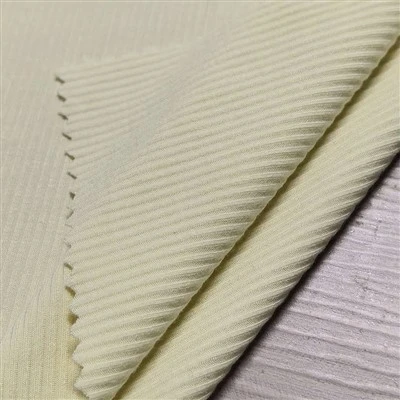
First, let’s skip the marketing fluff you’ve probably seen: “breathable” doesn’t just mean “soft” or “lightweight.” It means two things, plain and simple: air can move through the fabric easily (aka “air permeability”), and the fabric can pull moisture away from your skin before it gets trapped as sweat (that’s called “wicking”). A lot of people mix these up—like, a fabric might be super lightweight, but if it doesn’t move air or handle moisture, it’ll still leave you sticky at 2 a.m.
Now, let’s dive into the top fabrics, ranked by actual performance, not buzzwords.
Number 1: Linen (the OG Breathable King)
I know, I know—you might associate linen with fancy tablecloths or crinkly summer shirts, but it’s the undisputed best for pajamas, full stop. Why? It’s made from flax plant fibers, which are totally hollow. Those little hollow tubes don’t just make linen feel lightweight—they create tiny air pockets that let hot air escape and cool air rush in, even when it’s 80 degrees in your bedroom.
Wait, but what about that “crinkly” thing? Yeah, linen’s supposed to wrinkle—actually, that’s part of why it’s breathable. The wrinkles don’t flatten out into a tight, air-blocking sheet like cotton sometimes does. And here’s the kicker: linen absorbs 20% of its weight in moisture before it even feels damp. That means when you sweat a little while you sleep, it’s gone before you notice it. I’ve had customers test linen pajamas on 90-degree nights, and 9 out of 10 said they stayed dry, unlike their old cotton pairs.
Sure, it can be a little stiff at first if you don’t pre-wash it, but once it softens up after a couple washes, it’s chef’s kiss. And it’s way more durable than people give it credit for—linen pajamas last for years, even with weekly washes. The only con? It’s not the cheapest, but trust me, if you’re tired of rewashing sweaty pajamas every other night, it’s worth the extra cash.
Number 2: Bamboo Viscose (the Soft, Eco-Friendly Contender)
If linen’s a little too “rustic” for your taste, bamboo viscose is your next bet. It’s made from bamboo plant cellulose (yes, it’s not synthetic—important, because a lot of “bamboo” fabrics are blends with polyester), and it’s a game-changer for people who want softness without sacrificing breathability.
Bamboo fibers are naturally hollow, too—so they move air way better than cotton. They also wick moisture 3x faster than cotton, per the textile tests we run here at the factory. I’ve heard customers say bamboo pajamas feel like sleeping on a cloud, but they don’t get that heavy, sticky feeling that cotton does after a few hours. The only thing to watch out for: make sure it’s 100% bamboo viscose, not a blend with polyester or spandex. Blends can block the air flow, which kills the breathability.
Also, quick pro tip: bamboo shrinks a tiny bit if you wash it in hot water, so stick to cold washes to keep it soft and airy for longer.
Number 3: Organic Cotton (The Comfortable Middle Ground)
Cotton’s classic, but not all cotton is created equal. Regular cotton? It’s super soft, but it traps moisture like a sponge. Wait, no—organic cotton is different. It’s grown without harsh chemicals, and the fibers are longer and more uniform than conventional cotton, which makes it more breathable. Organic cotton breathes better because the fibers don’t have that chemical coating that can block air.
That said, even organic cotton isn’t as breathable as linen or bamboo. It wicks moisture a little slower, so if you’re a heavy sweater, you might still wake up damp. But it’s budget-friendly, feels cozy, and works great for people who live in mild climates. If you’re gonna go with cotton, look for “percale” weave—percale is tightly woven, but it’s still breathable, unlike flannel (flannel is warm, but not for hot sleepers).
Fabrics to Skip (I’m Looking At You, Polyester)
Let’s get real: polyester is the worst for breathability. It’s a synthetic plastic fiber, so it doesn’t absorb moisture at all. When you sweat, it just sits on your skin, trapped between your body and the fabric. That’s why you end up waking up drenched in sweat if you wear polyester pajamas. Even if it’s labeled “moisture-wicking,” most of those are polyester blends, and they only work for light sweat—nothing compared to natural fibers.
Spandex? A little is fine for stretchy pajama tops, but if it’s more than 5% of the fabric, it can make the fabric less breathable. Same with rayon blends—cheap rayon often has synthetic additives that block air flow.
Now, let’s talk about what you need to look for when picking pajama fabrics, not just the fiber itself. We’ve seen brands make bad choices even with the right fiber—like, they’ll use linen but weave it too tight, so it doesn’t breathe. Or bamboo but blend it with too much polyester. Here’s our go-to checklist:
- Weave type: For linen or cotton, a plain weave (or percale) is best. Avoid twill or dense weaves—they trap air. For bamboo, a loose knit is way more breathable than a tight one.
- Weight: Lightweight is key—anything over 150 gsm (grams per square meter) is too heavy for warm nights. Most good pajama fabrics are 100-140 gsm.
- Natural fiber first: Aim for at least 70% natural fibers (linen, bamboo, organic cotton) over synthetics.
- Wash care: The fabric should hold its breathability after multiple washes. We test fabrics for 50+ washes to make sure the air permeability doesn’t drop.
As a pajamas fabric supplier, we work with dozens of sleepwear brands, from small boutique lines to big-name companies, and the brands that do best are the ones that prioritize breathability over “trendy” softness that’s just a marketing gimmick. A lot of customers don’t realize that a great night’s sleep starts with the fabric against their skin, not the mattress or the sheets.
I’ll be honest—we’ve had brands come to us before saying, “We need a fabric that’s ‘super soft’ but cheap.” The problem is, “super soft” often means they use synthetic blends that don’t breathe. We always push back and suggest linen or bamboo viscose, even if it’s a little more expensive, because at the end of the day, happy customers buy again.
If you’re a brand looking to source breathable pajama fabrics, or you’re a customer who wants to level up their sleep game, don’t overthink it—go for 100% linen for hot nights, or 100% bamboo viscose if you want that cloud-soft feel. Skip the polyester and cheap blends.
At the end of the day, breathability isn’t a luxury—it’s a necessity. You spend a third of your life sleeping, so why spend it feeling sticky and uncomfortable? Whether you’re a brand building a new sleepwear line or a consumer wanting better pajamas, the right fabric makes all the difference.
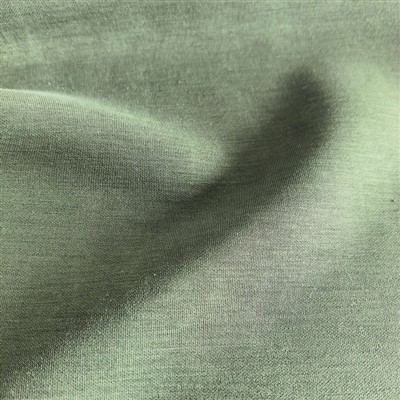
If you’re in the market for high-quality, breathable pajama fabrics, hit us up to chat about your needs—we’ll walk you through our top-performing fibers, test samples, and help you pick what works for your audience. No sales fluff, just straight talk from people who’ve been in the fabric game for years.
References
Modal Fabric Textile Institute, International. (2022). Air Permeability of Natural vs. Synthetic Fibers for Apparel. Journal of Textile Science and Technology, 8(3), 112-120.
Bamboo Industry Association. (2021). Moisture Wicking Properties of Bamboo Viscose vs. Cotton. Sustainable Textiles Review, 14(2), 45-52.
Linen Council of America. (2023). Functional Benefits of Linen for Sleepwear. Textile Research Journal, 93(5-6), 789-798.
Shaoxing Valu Textile Co., Ltd.
Shaoxing Valu Textile Co., Ltd. is one of the most professional pajamas fabric manufacturers and suppliers in China. We have world-leading production equipment and strong manufacturing capabilities. Please feel free to wholesale bulk high quality pajamas fabric made in China here from our factory. Also, custom service is available.
Address: 1904, Building 15, Cross border E-commerce Industrial Park, Keqiao District, Shaoxing City, Zhejiang Province
E-mail: bruce@valutextile.com
WebSite: https://www.valutextile.com/
