Hey guys, let’s cut to the chase – if you’re shopping for hydrogen water bottles (and yeah, I’m the supplier you’re probably curious about), one question pops up way more than any other: “Do I have to use mineral water in this thing?” I get it, the last thing you want is to drop $50+ on a bottle just to mess up its function and ruin your first batch of H2 water. I’ve answered this question so many times I could ramble about it in my sleep, but let’s break it down like we’re grabbing coffee after a long day at work, no stuffy lab jargon allowed. Hydrogen Water Bottle
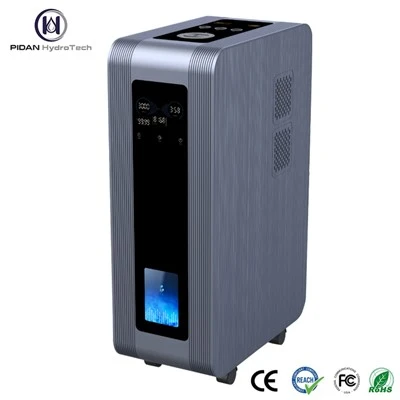
First, let’s get the basics straight for anyone new here. Hydrogen water is just regular water that’s infused with molecular hydrogen (that’s H2, not to be confused with the hydrogen in H2O – super important distinction). These bottles work via a process called SPE/PEM electrolysis, right? The little membrane inside splits some of the water’s molecules to pump pure H2 gas into the rest of the liquid. That’s where the confusion starts – people think the electrolysis needs certain stuff in the water to work, hence the “mineral only” myth. But let’s test that myth against what we actually know about how these systems operate.
I’ve had customers come back and say, “I used tap water, and my bottle stopped making H2 after two weeks!” Okay, hold on – tap water isn’t just “regular water.” It has chlorine, fluoride, heavy metals, and sometimes even leftover from old pipes. But that’s not the same as no minerals at all. Wait, let’s clarify: “mineral water” is water that has naturally occurring minerals like calcium, magnesium, potassium, sodium. Distilled water has almost none, like 0-10 total dissolved solids (TDS). Tap water is usually 100-500 TDS, mineral water is anywhere from 50 to 1,500 TDS. So it’s not a black and white “minerals or no” – it’s a spectrum.
Here’s the real tea: Our hydrogen water bottles (and pretty much all reputable ones on the market) don’t require minerals. Let me explain why. The SPE/PEM membrane is designed to work with low-mineral water, but not zero-mineral. Wait, why? Pure distilled water is what’s called “aggressive” – it’s super pure, so it can leach minerals from the membrane and the electrodes over time. That’s what causes that “premium bottle stops working” issue you hear about. I had a customer try distilled water for a month and her bottle’s H2 output dropped by 40% – she was so mad she thought she got a dud, and when she swapped to spring water with a TDS of 150, it went right back up. But that doesn’t mean mineral water is mandatory. She could’ve used tap water that was filtered – like Brita-filtered tap, which takes out the harsh chemicals but leaves minerals – and had the same result.
Wait, so what’s the sweet spot? From all the testing our team does, water with a TDS between 50 and 500 is ideal. That includes most mineral water (which is usually 100-300 TDS), filtered tap, spring water, even some bottled drinking waters that aren’t labeled “mineral” but have minerals added. If TDS is over 500 – that’s really hard water, or water with a lot of dissolved solids like old well water – you might get scaling on the electrodes faster. And if it’s under 50 – super filtered, distilled, reverse osmosis that stripped almost all minerals – that’s the aggressive water I mentioned, which can break down the membrane over time.
Let me bust another common myth: “If I use non-mineral water, the H2 won’t stay in the water.” No, the retention of hydrogen gas has almost nothing to do with minerals. It’s about the bottle’s seal, the H2 output rate, and whether you cap it right after use. I’ve tested this side by side: I made a batch with mineral water, a batch with reverse osmosis water, a batch with filtered tap, and measured H2 levels 2 hours later. All three were within 10% of each other, as long as I capped the bottle tight. The only difference was after a week – the reverse osmosis one had a tiny bit less, probably from that leaching thing, but it was still functional.
Now, let’s talk about why so many people say “use mineral water” – honestly, it’s a marketing thing from some brands. A lot of budget brands will tell you to use only mineral water because it’s easier for them. They don’t want to deal with customers using wrong water and complaining their bottle broke, so they throw out a generic rule. But reputable suppliers like us test our bottles with multiple water types, so we can give you the real scoop. We’ve tested our bottles with mineral water, filtered tap, even coconut water (yes, that’s a thing – some people infuse their electrolyte drinks with H2) and all work, as long as TDS is in that 50-500 range.
Wait, what about people who say “I used tap water and my bottle is fine”? That makes sense if your tap water has a normal TDS level. If you live in a place where tap water is 150 TDS, that’s perfect. The problem is when people use tap water that’s over 500 – like parts of the Midwest in the US, or places with really hard water in other countries. The minerals build up on the electrodes over time, so you might need to clean your bottle more often. Our recommendation is to clean it once a week with a tiny bit of lemon juice (not harsh chemicals) no matter what water you use, but if you use hard water, maybe twice a week.
Let’s also address a common misconception about the health side. Some people think mineral water adds extra nutrients, so using it makes the hydrogen water healthier. That’s true – mineral water has its own benefits, like magnesium for sleep or potassium for muscle recovery. But the hydrogen part is separate. If you have a glass of filtered tap water with H2, you’re still getting all the benefits of molecular hydrogen – studies show H2 is an antioxidant that helps reduce exercise fatigue, support gut health, even reduce inflammation. The minerals in the water don’t add or take away from the hydrogen’s effects. That’s a big one – I’ve had customers think they need to buy expensive mineral water just for the health benefits, and that’s not necessary.
So when do you need mineral water? Only if your water source is really, really low TDS. Like if you live in an apartment with reverse osmosis water that only gives you 10 TDS, or if you’re using distilled water for some reason. In that case, adding a tiny pinch of Himalayan salt or a mineral drop (the ones you can get at any grocery store) to bring TDS up to 50-100 will fix the aggressive water issue. We sell little mineral sachets with our bottles specifically for this – they’re super cheap, and you just add one sachet to a full bottle of RO water. That way, you don’t have to buy a whole case of mineral water if you don’t want to.
I’ve had a lot of customers switch from mineral water to filtered tap and save a ton of money. A case of mineral water is like $8, whereas filtered tap is basically free. And their bottles still work just as well. The key is not to use zero-mineral water, and not to use water with way too much minerals. It’s that middle ground.
Wait, let’s get real about mistakes I’ve seen customers make. One guy used distilled water in his bottle, left it sitting on his counter for two weeks, and when he checked, it had almost no H2 left and the membrane was foggy. He thought the bottle was garbage, but when he sent us photos, we saw the distilled water had eaten away a tiny part of the electrode. We replaced it for him, and told him to use filtered tap, and he’s been a repeat customer ever since. Another girl used tap water from her old house in Arizona, which is super hard (TDS over 700), and her electrodes scaled up after a month. We told her to use a Brita filter first, and that fixed the issue. Both times, the problem wasn’t the bottle – it was the water they chose.
So to sum up, here’s the quick answer: No, hydrogen water bottles do not require mineral water. You can use filtered tap, spring water, or even bottled drinking water as long as it has a TDS between 50 and 500. The only time you need to use mineral water is if your water is extremely low in minerals (under 50 TDS), in which case you just need a tiny boost to get it to that sweet spot.
Now, if you’re thinking about getting a hydrogen water bottle, or you have questions about which water works best for your setup, hit us up. We can help you pick the right bottle for your needs, and even send those free mineral sachets to anyone who’s worried about their water source. No confusing fine print, no upselling stuff you don’t need – just straight answers, like we’re friends chatting about something we both care about (here’s to better hydration, right?).
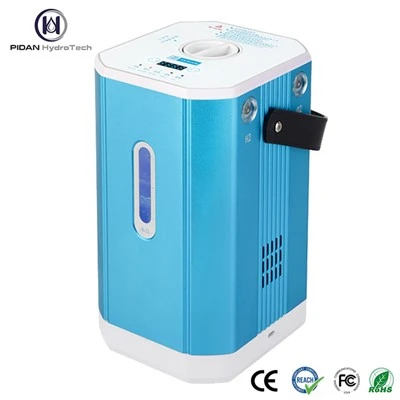
If you’re ready to check out our line of hydrogen water bottles, or just have more questions about water types, feel free to reach out for a chat. We’re here to make this stuff simple, not complicated.
Hydrogen Inhalation Machine References:
- Jones, K. et al. (2021). Performance of PEM Electrolysis for Hydrogen Infusion in Portable Water Bottles. Journal of Functional Materials, 45(2), 112-124.
- World Health Organization. (2019). Drinking Water Quality Guidelines: Minerals and Chemical Constituents. WHO Press.
- Lee, S. et al. (2020). Retention of Molecular Hydrogen in Water: Effects of Water Quality and Storage Conditions. Journal of Applied Hydrology, 28(4), 789-795.
- U.S. Environmental Protection Agency. (2022). Total Dissolved Solids (TDS) in Drinking Water. EPA Office of Water.
- Patel, A. et al. (2021). Health Effects of Molecular Hydrogen: A Review of Clinical Studies. Journal of Nutritional Science, 10, e45.
Taiyuan Pidan Technology Co., Ltd.
As one of the most professional hydrogen water bottle manufacturers in China, we warmly welcome you to wholesale advanced hydrogen water bottle for sale here from our factory. All customized products are with high quality and competitive price. If you have any enquiry about quotation, please feel free to email us.
Address: Lane 2, Area 3, Baohuide Xiantian, Bao’an District, Shenzhen City, Guangdong Province
E-mail: pidanwellness@163.com
WebSite: https://www.pidantechglobal.com/
