Hey there, fellow photo frame lovers and bulk buyers! If you’ve ever shopped for acrylic photo frames—whether you’re decorating your office, restocking a retail store, or setting up a photo booth for events—you’ve probably noticed that not all acrylics are created equal. As an acrylic photo frame supplier who’s been in this game for over 8 years, I’ve seen firsthand how picking the wrong type can turn a simple frame into a headache (think: yellowing after 6 months, scratches that won’t buff out, or glass-like shattering that ruins a family photo). Today, I’m breaking down the main types of acrylic we work with, what makes each unique, and which one’s right for your needs. No stuffy jargon, just straight talk from someone who’s on the front lines of making frames people actually want to display. Acrylic Photo Frame

First, let’s get one thing straight: acrylic is basically the go-to for photo frames these days because it’s way lighter, shatter-resistant, and clearer than old-school glass. But that doesn’t mean it’s a one-size-fits-all material. We start with the basics—what acrylic is, for anyone who might not know: it’s a type of plastic made from poly(methyl methacrylate), or PMMA for short (we use this shorthand all the time in the warehouse, no need to write the full thing every time). Now, let’s dive into the four most common types we stock, each with its own pros, cons, and best uses.
-
Standard Clear Acrylic (Extruded)
This is the bread and butter of most acrylic photo frames. It’s the stuff you see in the cheap-to-mid-range tabletop frames you pick up at craft stores, and it’s what we use for our everyday bulk orders. Here’s the lowdown on extruded acrylic: it’s made by pushing molten PMMA through a die, which gives it a consistent thickness and a pretty good clear finish. Is it perfect? Not exactly. It has a tiny bit of a “green tint” if you hold it up next to high-end glass or other acrylics, and it scratches way easier than thicker or specialty types. That’s why we always warn customers: if you’re making a frame that’ll be handled a lot (like a desk frame that gets moved daily), you’ll want to add a scratch-resistant coating, or go with a thicker sheet. For what it’s worth, standard extruded is super affordable, which is why it’s the top pick for retail bulk orders—people love the low cost, and it works great for photos that are just there to look nice, not get a ton of close-up scrutiny. I remember last year a café owner ordered 200 of these for their menu frames—they held up perfectly for 9 months until the café did a remodel, and even then, only a handful had light scratches, which they buffed out with a soft cloth. Total win for a no-fuss, budget-friendly option. -
Cast Acrylic
Now, cast acrylic is where things get fancy. Unlike extruded, it’s made by pouring liquid PMMA into molds and letting it cure, which gives it a way smoother, clearer finish—no green tint, almost indistinguishable from glass. This is the type we use for premium photo frames, like the ones people use for wedding photos, graduation portraits, or office wall displays where every detail matters. The big perks here: it’s way more impact-resistant than standard acrylic, so if someone drops a frame (which happens way more than you’d think), it won’t crack or shatter like glass. It’s also way less likely to yellow over time—we’ve had cast acrylic frames in our warehouse showrooms for 5 years, and they still look brand new, whereas standard extruded would have a slight yellow haze by now. The catch? It’s pricier, and it’s a bit softer than extruded, so it still needs that scratch-resistant coating if it’s going to get heavy use. But for high-end products, cast acrylic is non-negotiable. Just last month, a wedding photographer ordered 50 cast acrylic frames for their clients’ portrait packages—they said the clarity made the photos look like they were behind museum glass, but without the weight. That’s the kind of thing that makes clients rave. -
Anti-Reflective (AR) Acrylic
Ever tried to take a photo of a framed photo only to get a glare from glass? Yeah, that’s the worst. Anti-reflective acrylic solves that exact problem, and it’s a game-changer for wall frames, digital photo displays, and any frame that’s going to be in a bright room. We coat cast or extruded acrylic with a special nano-layer that cuts down on light reflection by like 95%—way more than regular anti-glare glass. The cool part? It doesn’t dull the photo at all, so you still get that crisp, true-color look. Who uses this? We’ve had art galleries order AR acrylic frames for their prints, home stagers for open houses, and even schools for displaying student art (no more glare when parents come to check out the displays). The downside? It’s a bit more scratch-resistant than standard acrylic, but not totally—you still have to clean it with a microfiber cloth, not a paper towel (paper towels leave tiny scratches that show up super easily on AR). Also, it’s the priciest of the four types, but if you’re targeting customers who care about display quality, it’s worth every penny. I once had a customer who runs a small art shop tell me switching to AR acrylic frames increased their print sales by 15%—people were actually stopping to look at the art instead of moving on because of glare. That’s a huge stat, and it’s why we keep this type in stock all year round. -
Impact-Modified Acrylic (Also Called “Toughened” Acrylic)
If you’re framing photos for high-traffic areas—think daycare centers, gyms, kids’ rooms, or event photo booths—impact-modified acrylic is the way to go. This type is made by adding a rubber-like polymer to the PMMA mix, which makes it way more flexible and resistant to cracking than regular acrylic. We’ve had these frames get knocked off a shelf, stepped on (don’t ask), and even hit with a basketball once, and they still didn’t break. The downside? It’s not as clear as cast or AR acrylic—there’s a slight milky tint to it, so it’s not the best for high-res photos or art prints. It’s also a bit thicker, which makes the frame feel sturdier, but that adds to the weight. But for places where accidents are bound to happen, impact-modified is a lifesaver. We did a big order for a local preschool last year—they wanted to frame kids’ artwork in the hallway where toddlers run, and before that, they were going through 5-10 glass frames a month. Since switching to impact-modified, they’ve only replaced one in 6 months. That’s a massive reduction in cost and hassle, which is why this type is a must-have for anyone in the hospitality, education, or event space.
Now, let’s talk about how to pick the right one for your business, because I know a lot of you reading this are retailers, event planners, or business owners who need to order in bulk. If you’re selling budget frames for desks or entry-level gifts, standard extruded is your jam—affordable, easy to source, and works for most use cases. If you’re moving into premium frames (weddings, portraits, luxury home decor), go with cast acrylic—clarity and low yellowing will make your products stand out. If glare is a problem in your target space (like wall displays or art), AR acrylic is the way to go, even if it’s a bit pricier—your customers will notice the difference. And if you’re dealing with high-accident areas (daycares, events, kids’ rooms), impact-modified is non-negotiable.
Wait, a quick pro tip I learned the hard way: always ask for samples before placing a big order. I used to skip this, and once ordered 100 standard extruded frames that had a weird, uneven tint—we ended up having to discount 70 of them because they looked cheap. Now, we send free samples to every bulk buyer before they commit, so you can hold them up next to your photos, test the scratch resistance, and see the clarity for yourself. It’s a small step, but it saves so much hassle down the line.
Another thing: don’t forget about frame thickness. A 2mm acrylic is fine for small desk frames, but if you’re doing a 16×20 or larger, you’ll want at least 3mm to 5mm thickness. Thicker acrylic is sturdier, less likely to bend, and works better with standoffs or wall mounts. We always include thickness guidelines on our product pages, but if you’re not sure, just shoot us a message—we’ve got over 10 years of experience helping people pick the right specs.
Now, if you’re a bulk buyer, retailer, or event planner who’s tired of working with suppliers who don’t understand the difference between acrylic types, let’s chat. We can help you customize frames to your needs, whether you’re after budget standard acrylic, premium cast, glare-free AR, or tough impact-modified. We also offer custom sizes, finishes, and mountings, so you can make frames that fit your brand exactly. No minimums for most orders, fast turnaround, and we stand behind every product we ship.
Oh, and one last thing—if you’re a DIYer or someone just looking to frame a personal photo, the same rules apply! If you’re putting it on a nursery wall, go impact-modified. If it’s your wedding photo, go cast or AR. It’ll make your photo look way better and last longer.
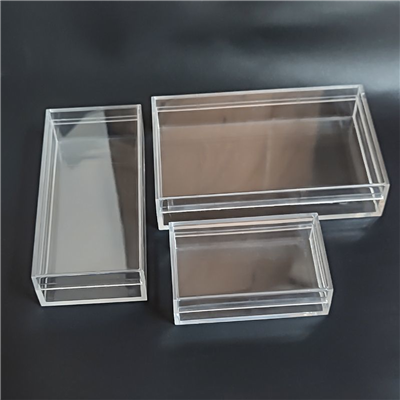
At the end of the day, acrylic is such a versatile material for photo frames, but knowing the types is what makes you pick the right one. Too many suppliers cut corners by using the cheapest acrylic, but we’ve built our business on being honest about what works. If you’re ready to place an order, or just have questions about which acrylic is right for you, reach out—we’re here to help.
Pokemon Acrylic Case Reference:
- Modern Plastics Worldwide. (2022). Acrylic (PMMA) Types and Applications.
- Society of Plastics Engineers. (2021). Impact Modification of Poly(methyl methacrylate): Properties and Uses.
- Photo Display Magazine. (2023). Anti-Reflective Materials for Framed Art: Benefits and Use Cases.
- International Window Film Association. (2020). Clarity and Durability Comparisons of Extruded vs. Cast Acrylic for Consumer Products.
Wenzhou Daoqin Crafts Co., Ltd.
With abundant experience, we are one of the most professional acrylic photo frame manufacturers and suppliers in China. Please rest assured to wholesale bulk customized acrylic photo frame from our factory. If you have any enquiry about quotation and free sample, please feel free to email us.
Address: Room 401, Building 5, Wanyang Innovation City, No. 9 Yangyu Road, Binhai New Area, Pingyang County, Wenzhou City, Zhejiang Province, China
E-mail: wzdaoqin@163.com
WebSite: https://www.wzacrylic.com/
