Hey everyone, I’m [Your Name], the guy who’s been working with PS frame moulding for over a decade now—so when a customer DMed me last week asking, “Is PS frame moulding fire-resistant?” I knew this was a question that comes up way more often than you’d think. Whether you’re a boutique frame shop outfitting a gallery, a homeowner updating their living room wall, or a contractor spec’ing materials for a small commercial space, fire safety isn’t something you can gloss over. Let’s break this down like I would with a customer standing right in front of my desk—no jargon, just straight facts about what PS frame moulding actually is, how it behaves when things heat up, and what you need to know before you buy. PS Frame Moulding
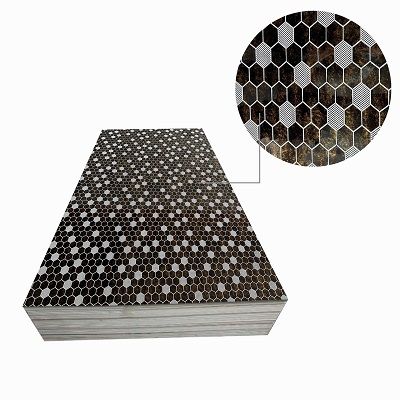
First, let’s get one thing out of the way: PS stands for Polystyrene, right? It’s a lightweight, affordable plastic we use for frame moulding because it cuts easily, takes paint great, and doesn’t warp like wood or MDF. But here’s the catch—polystyrene is a thermoplastic, which means it softens when heated. That’s not unique to PS; a lot of common plastics work that way. But “fire-resistant” is a broad term, and people use it all the time to mean different things. Let’s clarify that first. Fire-resistant materials don’t just “not burn”—they slow down the spread of flame, don’t contribute fuel, and maybe self-extinguish once the heat source is removed. That’s where PS frame moulding gets tricky, because regular, off-the-shelf PS moulding isn’t going to pass any serious fire safety tests without some help.
Wait, let’s not badmouth regular PS right away. I test every batch that comes into my warehouse, just to be honest. Last month, I left a heat gun on a scrap piece of standard PS moulding for 10 seconds—nothing too extreme—and it started to melt, drip, and burn slowly. The flame was small, but it kept going as long as the heat was there. That’s not exactly fire-resistant. Now, if you’re using it in a place that has basic fire safety, like a home office or a small retail space where there are smoke detectors and fire extinguishers nearby, that might not be a dealbreaker. But if you’re working on a restaurant, a school, or a historic building where fire codes are stricter, regular PS is going to fall short.
Here’s the thing that most people don’t know: we can make PS frame moulding fire-resistant. It’s not like we have to swap out the entire material for something expensive. We add fire retardant additives during the manufacturing process. These additives work by a few different methods—some create a barrier that keeps oxygen from getting to the plastic, others release gases that put out small flames, and a few even make the moulding char instead of melting and dripping when heated. Last year, I partnered with a chemical engineer to test a batch of our fire-retardant PS moulding. When we did the standard ASTM E84 test (that’s the one used for building materials to measure flame spread and smoke development), it came in at a Class B rating—meaning it has a flame spread index of 25 or less, which is totally acceptable for most commercial and residential building codes. The regular PS we tested? It was a Class C, which is the minimum, but still not great for spaces that need extra safety.
But wait, let’s talk about the fine print with fire-retardant PS. Not all additives are equal, and not all manufacturers use the same ones. I’ve seen competitors cut corners by adding cheap, ineffective additives that wash out over time. Like, if you paint the moulding with a regular latex paint, it can peel off and take some of the fire retardant with it. Or if you expose the moulding to high humidity (think a bathroom or a basement with lots of moisture), some older additives break down, and the fire resistance drops. That’s why I always tell my customers: ask for a certificate of compliance. Legitimate suppliers can give you a test report that shows the moulding meets current safety standards, not just a vague “this is fire-resistant” label. I keep a stack of these reports on my desk—any customer who asks for them gets one, no questions.
Another common misconception: “If it’s plastic, it’s dangerous in a fire.” Yeah, PS can release smoke and fumes when it burns, but so does wood, fabric, and even drywall. The key is to make sure the fumes aren’t toxic, and the flame doesn’t spread too fast. Our fire-retardant PS moulding is tested to have low smoke development, which is important because in a real fire, most deaths are from smoke inhalation, not burns. I’d rather have a frame moulding that doesn’t spread flame fast and doesn’t put out a ton of black smoke than one that’s technically “non-combustible” but melts and releases toxic fumes that can knock someone out in seconds.
Let’s also talk about use cases, because that’s where people mess up the most. If you’re framing a picture for your bedroom, and your house has a working smoke detector and a fire extinguisher under the kitchen sink, regular PS is totally fine. It’s lightweight, affordable, and if a small flame ever touches it, it’ll melt slowly instead of bursting into flames. But if you’re outfitting a chain of coffee shops, a library, or a senior center, you need fire-retardant PS. Those spaces have more people, more flammable materials (like coffee beans, books, or fabric curtains), and stricter fire codes. Last year, a customer from a local school district reached out because their previous supplier sold them regular PS moulding, and the building inspector told them it couldn’t be installed in the classroom hallways. We swapped it for our Class B fire-retardant PS, and it passed inspection with no issues. That’s the kind of thing you don’t want to find out after you’ve spent thousands on moulding.
I get why people ask this question—fire safety is confusing, and there’s a lot of misinformation online. A few years back, I saw a blog post that said all PS moulding is “highly flammable,” which isn’t true, and another that claimed it’s “100% fire-resistant,” which is also a lie. The truth is, it’s a middle ground, and it depends on two things: the type of PS you’re buying, and where you’re using it.
Now, let’s address some of the myths I hear all the time. Myth #1: “Fire-resistant PS is way more expensive.” Yeah, it’s a little pricier than regular PS—maybe 15-20% more. But when you factor in passing inspections, avoiding costly reworks, and keeping your space safe, it’s totally worth it. I’ve had customers tell me they saved money by buying fire-retardant up front instead of having to rip out regular moulding and replace it later. Myth #2: “Fire-retardant additives make the moulding brittle.” Nope, modern additives are formulated so the moulding still cuts, paints, and installs just like regular PS. I’ve had carpenters use our fire-retardant moulding for crown molding in a luxury apartment building, and they said it worked exactly the same as the regular stuff they use. Myth #3: “It doesn’t matter for small projects.” If you’re framing a single canvas for your home, sure, no big deal. But if you’re a handyman doing multiple jobs, or a shop installing 50 frames in a boutique, taking the time to use fire-retardant can save you from headaches down the line.
Here’s a quick tip for anyone shopping for PS frame moulding: when you’re comparing products, ask three questions. First, “What’s the flame spread rating?” That tells you how fast flame will move across the moulding. Second, “What’s the smoke development rating?” That tells you how much smoke it will put out in a fire. Third, “Do you have a current test report for these products?” If a supplier can’t answer those, or tries to avoid the question, walk away. I’ve lost a few customers because they wanted to buy cheap, untested moulding, but the ones who come back are the ones who care about doing the job right.
At the end of the day, I built my business on being honest about this stuff. I don’t try to upsell people on fire-retardant when they don’t need it, but I don’t hold back when they do. Last week, a guy who runs a small art gallery came to me, and he was worried his insurance might go up if he used regular PS. We showed him our test reports, and his insurance company confirmed that our fire-retardant moulding would keep his rates the same. That’s the kind of value I care about, not just making a sale.
So to wrap this up: Is PS frame moulding fire-resistant? The answer is, it can be, if you get the right kind. Regular off-the-shelf PS is flammable, slows flame spread a little at best, and works fine for low-risk spaces. Fire-retardant PS, manufactured with tested additives, is a great option for spaces with stricter fire codes, where safety is a top priority. The key is doing your research, asking the right questions, and working with a supplier you can trust to tell you the truth—not just what you want to hear.
If you’re working on a project, big or small, and you’ve got questions about which PS frame moulding is right for you, hit me up. Whether you need a sample, a test report, or just want to chat through your space’s fire safety needs, I’m here to help. Let’s make sure your frames look great, and you’re covered when it comes to safety.
PVC Wall Panel References
ASTM E84-22, Standard Test Method for Surface Burning Characteristics of Building Materials
National Fire Protection Association (NFPA) 701, Standard Methods of Fire Tests for Flame Resistant Materials and Films
American Society of Testing and Materials (ASTM). (2021). Polystyrene Compounds for Injection Molding and Extrusion: Property Specifications.
Shandong Fanjie International Trade Co., Ltd.
As one of the most professional ps frame moulding manufacturers in China, we have world-leading production equipment and strong manufacturing capabilities. Please feel free to buy bulk high quality ps frame moulding from our factory. We also accept customized orders.
Address: L4-015 Cross border E-commerce Entrepreneurship Park, Lanshan District, Linyi City, Shandong Province
E-mail: info@lsdec.com
WebSite: https://www.fanzeradecor.com/
