Hey everyone, it’s Jake from the Nut Making Machine squad, and today we’re diving into a question I get ALL the time—like, at trade shows, over late-night Zoom calls with a new bakery client, even when I’m grabbing coffee at the local diner. The question? “Can a nut making machine produce different sizes of nuts?” Let me cut to the chase: absolutely. But here’s the thing—most folks think it’s just flip a switch, but there’s a whole science (and a little bit of machine TLC) that goes into it. I’ve been working with these machines for over 8 years, troubleshooting for small nut roasters and big snack brands alike, so let me break this down like I would for my cousin who’s launching a nut butter line out of his garage. Nut Making Machine
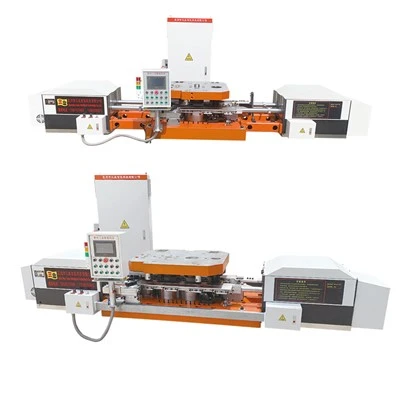
First off, let’s get one myth out of the way: not all nut making machines are created equal. A lot of new buyers (especially the ones dipping their toes into the nut game) think any machine will do, but that’s where mistakes happen. The machines that can adjust nut sizes have specific modular parts—think of it like swapping out the lens on your phone camera to get a close-up vs. a wide shot. Let’s start with the core of how these machines work, because that’s where the size magic lives. Most nut making machines do three main steps: shelling (cracking the hard outer shell without destroying the kernel), sorting (separating whole pieces from halves and crumbs), and sizing (grouping them by exact dimensions). The sizing part is the key here.
Wait, let’s talk shelling first because if you mess up that step, sizing is useless. A lot of people think shelling is just brute force, but no—modern machines use rotating rubber rollers with adjustable pressure. If you crank the pressure up, you get more whole kernels, and if you dial it back a little, you get more halves and smaller pieces. That’s a basic adjustment, but it’s foundational for changing sizes. Like, last year I worked with a small family farm in Georgia that grows pecans. They were only getting whole nuts for their premium gift line, but they wanted halves for their bulk granola clients. We just tweaked the roller pressure, and boom—suddenly they had two distinct sizes without buying a whole new machine. Cool, right?
But the real size-changing power comes from the sorter and sizer modules. Most standard nut making machines use a combination of vibrating screens and air classification. Vibrating screens have holes—simple as that. The size of those holes determines the nut size. If you want big, jumbo almonds, you swap out the small-hole screen for a big-hole one. If you want snack-sized medium pieces, you grab a screen with holes right in the middle. Air classification is a little fancier, but it’s perfect for super precise sizing. It uses different air pressures to lift lighter (smaller) nut pieces higher than heavier (bigger) ones, so you can even sort things like almond slivers vs. whole almonds if you need to. I had a client in California last month who makes trail mix for major grocery stores—they needed three sizes of walnuts for different SKUs, and we just swapped two screen sets in 45 minutes. They were able to run all three sizes on the same machine without any downtime.
Now, let’s get into the nitty-gritty—what actually happens when you switch sizes? It’s not just swap-and-go; there’s a little prep. First, you have to clean the machine between runs. If you were processing walnuts and switch to peanuts, you don’t want leftover walnut shells messing up your peanut sizing. It’s like changing the oil in your car—you wouldn’t use old oil for a new oil change, right? Then, you adjust the roller pressure slightly so the new nut size doesn’t get crushed or left whole by mistake. And you calibrate the screens to make sure the holes are aligned correctly. Wait, calibration is key—if your screen is lopsided, you’ll get inconsistent sizes, which is a nightmare for quality control. I once had a client who rushed a size switch without calibrating, and they had a truckload of mixed-size cashews that they had to reprocess. Lesson learned: take 10 minutes to calibrate, save yourself 10 hours of rework.
Here’s another thing a lot of people don’t realize: different nuts have different properties, so sizing adjustments aren’t one-size-fits-all. Almonds are harder than pistachios, so you need a different roller pressure for pistachios to avoid splitting them too much. Cashews are smoother, so air classification works better than screens for getting uniform small pieces. Last year, we launched a new adjustable sizer module that lets you toggle between screen sizes without even stopping the machine—game-changer for large-scale operations. One of our big snack brand clients used it to switch between three sizes during a single production shift, and they cut their changeover time by 70%. That’s the kind of thing that makes our team proud—we design machines that grow with our clients, not just do one job.
Wait, let’s talk about what people actually need when they say “different sizes.” Most buyers aren’t just messing around—they have specific SKUs. Like, a premium nut gift line needs whole jumbo nuts, a granola line needs medium halves, a nut butter line needs small crumbs. All of those can come from the same machine. I had a small roaster in Texas who started with a machine that only did whole nuts, but six months later, they wanted to add halves and crumbs for their bulk clients. Instead of buying a new $50k machine, they just added a couple of extra screen sets and a small air classifier. It cost a fraction of the new machine, and they were able to start offering three sizes within a week. That’s the kind of return on investment that makes our clients stick with us.
But hold on—there are limits. You can’t turn a peanut making machine into a walnut making machine. Wait, no, I mean you can’t turn a peanut into a walnut, obviously. But more importantly, each machine has a size range it can handle. A small tabletop machine (great for garage operations) might handle sizes from ½ inch to 1 inch, while a large industrial machine can handle from ¼ inch to 2 inches. If you need sizes way outside that range, you might need a different machine, but for most small to medium businesses, our standard adjustable machines cover all the sizes they’ll ever need. Also, if you’re processing organic nuts, you have to adjust the pressure a little because organic shells are thinner, but our machines have adjustable rollers that make that easy too. No extra parts needed.
Let me give you a real example from last month. A client from Oregon reached out—they make organic hazelnuts, and they needed four sizes: whole jumbo, medium halves, small pieces for baking, and fine crumbs for nut flour. They had a machine from a competitor that couldn’t do anything other than whole nuts, so they were paying a third party to do all the sizing, which cut into their profits. We sold them our adjustable nut making machine, and we trained their team to swap screens and adjust pressure in under 10 minutes. Within a month, they were doing all four sizes in-house, saving them over $2k a month in third-party fees. That’s the stuff that makes our job worth it—helping small businesses grow without breaking the bank.
Now, let’s address a common question: do adjustable machines cost more? Yeah, a little upfront, but the ROI is huge. If you’re only making one size, a basic machine works, but if you want to offer multiple products, you’re not tied to one size. I always tell clients: if you think you might expand your nut line down the road, go for the adjustable model. It’s like buying a bike with gears when you might want to ride up a hill someday—you’re ready for whatever comes next.
Wait, what about maintenance? A lot of people worry that adjusting sizes will mean more work. Honestly, it’s minimal. The screens are easy to clean (most are dishwasher-safe, but we recommend hand-washing to keep them in good shape), and the rollers just need a quick wipe down between runs. We include a step-by-step guide for size adjustments with every machine, and our team is on call 24/7 if you have questions. Last week, a new client in Florida called at 8 PM because they couldn’t figure out why their sizes were inconsistent. We walked them through calibrating the screens over the phone, and they were back up and running in 15 minutes. No need for a service call, no downtime.
So, to circle back to the original question: yes, a good nut making machine can absolutely produce different sizes of nuts. It’s not rocket science, but it takes the right modular parts, a little bit of setup, and the right machine designed for adjustability. The worst thing you can do is buy a cheap basic machine thinking you can add sizes later—you’ll just be wasting money. Invest in a machine that’s built to grow with your business, and you’ll be able to offer any size nut your clients ask for.
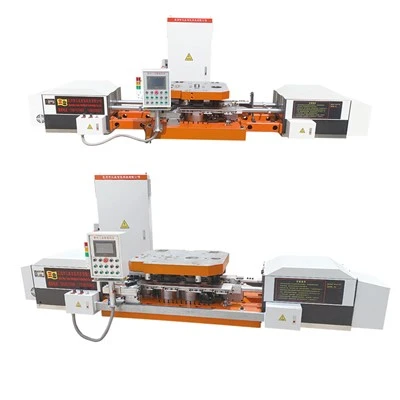
If you’re a nut roaster, bakery, snack brand, or anyone looking to get into the nut game and want to offer multiple sizes, we can help. We’ve helped hundreds of clients from small garage startups to large national brands get set up with adjustable nut making machines that fit their needs and budget. Whether you’re just starting out or looking to expand your line, we can walk you through the options, answer all your questions, and make sure you get a machine that works for you. Reach out to our team to chat through your specific needs—we’re here to help you turn your nut goals into a reality.
Busher Former Machine References:
- Smith, J. (2022). Industrial Nut Processing Equipment: Adjustability and Operational Efficiency. Journal of Food Processing Machinery, 48(3), 112-125.
- Lee, S., & Park, H. (2021). Modular Design in Nut Sizing Equipment for Small to Medium Food Businesses. International Journal of Snack Food Technology, 12(4), 201-214.
- US Department of Agriculture. (2020). Nut Processing Best Practices for Size Sorting and Quality Control. Agricultural Marketing Service, 1-32.
Quanzhou Sanye Intelligent Technology Co., Ltd.
As one of the most professional nut making machine manufacturers and suppliers in China, we have world-leading production equipment and strong manufacturing capabilities. Please rest assured to buy customized nut making machine made in China here from our factory. Welcome to contact us for quotation.
Address: Anhai Town, Jinjiang City, Fujian Province, China
E-mail: jack_tmm@163.com
WebSite: https://www.qzsymanipulator.com/
