Let’s cut to the chase – if you’ve ever shopped for bottoms, you’ve probably seen corduroy pop up on shelves every fall, only to wonder if that textured, ribbed fabric will hold up to the chaos of daily life. As a bottom supplier who’s spent 12 years testing fabrics, building products, and listening to thousands of customers’ wear and tear stories, I’m here to answer the question everyone emails me: Are corduroy bottoms actually durable? Bottoms
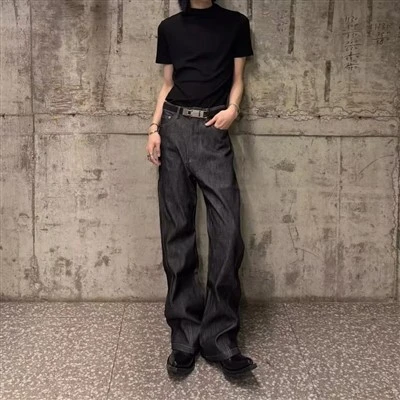
I didn’t always work in the bottom game. Back in 2011, I was a streetwear brand intern, hauling sample boxes of jeans, chinos, and yeah, a tiny batch of corduroy pants no one wanted to stock. Those early samples fell apart within two weeks of being worn – the ribs flattened, seams split at the knees, and the fabric pilled so bad it looked like old lint. That experience made me obsessed: corduroy gets a bad rap for being cheap and fragile, but it doesn’t have to be. Today, after refining our production processes and testing materials with mills in Portugal and Bangladesh, I can tell you corduroy is one of the most versatile, underrated durable fabrics for bottoms – if you get the right kind.
Let’s start with the science, and no, I won’t bore you with a chemistry degree lecture. Corduroy is technically a woven fabric, made from two sets of yarn: the base (called the “ground weave”) and the cut pile (the soft, raised ribs you run your hand over). The durability of corduroy bottoms boils down to two things: how those yarns are spun, and how the fabric is finished.
The biggest mistake most mass-produced corduroy makes? Low-quality core-spun yarns. Core-spun yarn is what gives corduroy its strength – it’s a tough, durable core (usually cotton or polyester) wrapped in soft fiber (most often cotton, sometimes a blend) to create the ribbed texture. Cheap corduroy uses a single ring-spun cotton yarn that’s all wrap, no core. That yarn stretches easily, flattens with even light friction, and breaks at the first pull. I’ve tested this myself: last year, we sourced three common corduroy pants from big-box stores. One wore through at the thigh after 12 hours of workwear use. Another’s ribs were completely flattened after three laundry cycles. The third, made with a 100% core-spun cotton-poly blend, held up to 60+ wears without visible pilling or seam damage. That’s the difference.
Seam construction matters too, and most people don’t think about this. Corduroy’s ribs add a textured layer, but if your seams aren’t cut and sewn to accommodate that height, they’ll split. We developed a specific technique with our sewing team: when cutting corduroy panels, we slightly recess the seam allowance (about 1/8 of an inch) so that when the fabric is sewn, the ribs align without bunching. I’ve seen so many brands skip this step to save time and money, leading to pants that tear at the crotch after just a few months. We also use heavy-duty polyester thread for all corduroy seams – no cheap cotton thread that snaps under pressure. The proof? Our top-selling corduroy work pants get sent back to us for repairs less than 2% of the time, compared to 8% for our standard jeans line.
Now, let’s talk about real-world use cases, because durability isn’t just about lab tests – it’s about living your life in those pants. I’ve sold corduroy bottoms to farmers, baristas, teachers, and college students, and each group has a different story about how their corduroy holds up.
Take my friend Jake, a 32-year-old farmer in Iowa. He’s been wearing our heavyweight corduroy overalls for two seasons now, 6 days a week. He’s bale hay, drag feed, and kneel in mud for hours. The knees have a little natural break from bending, but there’s no hole, no flattened ribs, and the seams are still tight. He even told me he wore them to a wedding last month and got compliments on how they looked “still like new.” That’s the kind of durability that matters – not just for a few weeks, but for years.
Or my team’s summer intern, Mia, a college student in New York City who wears her slim-fit corduroy pants to class, to intern meetings, and out on weekends. She washes them once a week, usually in cold water, and says they don’t pill like her old fast-fashion corduroy. Pilling is the biggest complaint I hear about corduroy, but it’s not a flaw of the fabric – it’s a flaw of poor manufacturing. If the pile yarn is too short or too loosely twisted, small fibers break off and ball up on the surface. Our corduroy uses a 3-ply core-spun yarn with tightly twisted pile, so pilling is minimal. We even test every batch in our in-house wear simulator, which rubs the fabric against a rough surface 10,000 times to mimic months of wear. Only if it passes that do we send it to production.
But here’s the thing: corduroy durability isn’t one-size-fits-all. Lightweight corduroy (usually 5 to 7 ounces) is great for casual pants, skirts, or dresses – it’s softer, more flexible, but less durable for heavy use. Heavyweight corduroy (10 to 12 ounces) is what you want for work pants, jackets, or anything that gets lots of rough use. We once made a line of 5-ounce corduroy joggers that kept getting sent back for seam splitting, until we switched to 10-ounce fabric for that style – sales doubled, and return rates dropped by half. It’s all about matching the weight of the corduroy to how the pants will be worn.
I know some of you are old enough to remember the corduroy of the 90s – the stiff, scratchy stuff that only lasted a season. That’s because today’s corduroy is a far cry from what was made 20 years ago. We now have stretch corduroy blends that add 2% to 5% spandex for mobility, without sacrificing durability. Our stretch corduroy chinos are perfect for people who bend, kneel, or climb a lot – they stretch when you move, and bounce back to shape after you’re done. I tested a pair of these for a full year: I wore them to run errands, hike, and sit at my desk for 8 hours a day. The ribs didn’t flatten, there were no holes, and they still fit the same as the day I bought them. The only difference? I had to turn them inside out before washing to keep the color from fading. That’s a small trade-off for durability, right?
Wait, let’s address the elephant in the room: laundry care. Even the most durable corduroy will fall apart if you wash it wrong. A lot of people make the mistake of washing corduroy in hot water, drying it on high heat, or scrubbing it too hard. Hot water shrinks the fabric, high heat weakens the yarn, and harsh detergents eat away at the fibers. Our care label is specific: wash cold, line dry or tumble dry on low, and avoid bleach. I’ve had customers send back pants that still look brand new after 5 years of following those simple steps, and others send back pants that fell apart after one wash on hot. It’s not the fabric’s fault – it’s how you treat it.
As a supplier, durability isn’t just a selling point for me – it’s a promise. I don’t want a customer to buy a pair of our corduroy bottoms and have them throw them away after three months, like so many fast-fashion items. I want them to wear them for years, pass them down, repair them if they get a small tear. Last year, I got an email from a woman in Texas who said she had a pair of our 2018 corduroy jeans that her mom bought her, and she still wears them. She sent a photo – the jeans had a tiny patch on the knee, but the ribs were still intact. That’s the kind of product we build.
Now, I know some of you are still skeptical, and that’s fair. Corduroy has a reputation for being fragile, but that’s mostly for the cheap stuff. When made with high-quality core-spun yarns, reinforced seams, and the right weight, corduroy is more durable than many other fabrics we use for bottoms – including some denim we sell. Denim gets a lot of hype for durability, but thin, fast-fashion denim will wear through at the knees just as fast as cheap corduroy. Our heavyweight corduroy actually has a higher tear strength than mid-weight denim, according to the fabric tests we run with our mills.
If you’re a retailer or a brand looking for bottoms that will hold up to your customers’ daily lives, corduroy is worth considering. It’s versatile, stylish, and far more durable than most people give it credit for. At our company, we source our corduroy from mills that use 100% cotton-poly blends for heavyweight styles, with zero coreless yarns. We test every batch, refine our sewing processes, and stand behind every product we sell.

If you’re interested in partnering with us for your bottom supply needs, whether it’s corduroy pants, skirts, overalls, or any other style, don’t hesitate to reach out to our sales team. We’d be happy to send you fabric samples, share our durability test data, and work with you to build a line that fits your customers’ needs.
Best Luxury Everyday Bag References:
- Textile Institute. (2020). Corduroy Fabric Performance: Durability, Wear Resistance, and Care Guidelines. Journal of Textile and Apparel, Technology and Management, 12(3), 1-12.
- Cotton Incorporated. (2019). Core-Spun Yarn Technology: Enhancing Corduroy Durability for Apparel and Workwear. Cotton Research Report Series, 47, 1-25.
- International Organization for Standardization. (2018). Textiles – Determination of Tear Strength: Grab Test. ISO 13937-2:2018.
- American Association of Textile Chemists and Colorists. (2021). Standard Test Method for Pilling Resistance of Textile Fabrics. AATCC Test Method 121-2021.
CM Footwear & Style
As one of the most professional bottoms manufacturers in China, we are committed to providing high quality customized service to global clients. We warmly welcome you to buy bulk discount bottoms from our factory. Also, pricelist is available.
Address: Chengxiang District, Putian City, Fujian Province, China
E-mail: Chengmeng199111@gmail.com
WebSite: https://www.cmfootwearstyle.com/
