Are knit fabrics better for activewear?
As a supplier of both knit and woven fabrics, I’ve spent countless hours exploring the unique properties of each and their suitability for various applications. One question that frequently arises in the context of sportswear is whether knitted fabrics are truly superior to woven ones. In this blog post, I’ll delve into the characteristics of knitted fabrics and compare them with woven counterparts, examining their advantages and limitations in the realm of activewear. Knit and Woven
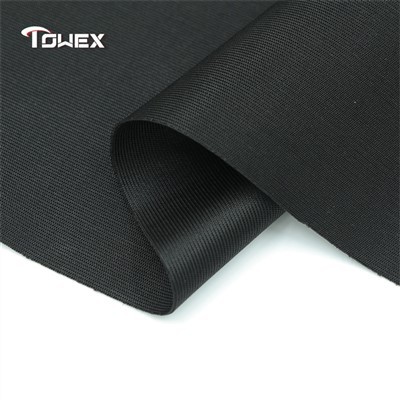
Understanding Knit and Woven Fabrics
Before we can determine whether knitted fabrics are better for activewear, it’s essential to understand the fundamental differences between knitted and woven fabrics.
Woven fabrics are created by interlacing two or more sets of yarns at right angles to each other. This process results in a stable, structured fabric with a distinct grain. Woven fabrics tend to be more rigid and less stretchy than knitted fabrics, making them suitable for applications where durability and shape retention are important.
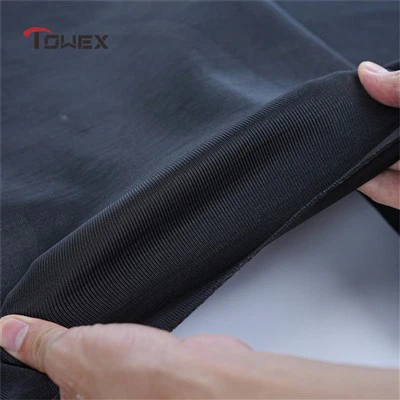
On the other hand, knitted fabrics are made by interlooping yarns in a series of connected loops. This construction gives knitted fabrics their characteristic stretch and flexibility. Knitted fabrics can be further classified into two main types: weft-knitted and warp-knitted. Weft-knitted fabrics are created by knitting horizontally across the fabric, while warp-knitted fabrics are knitted vertically.
Advantages of Knit Fabrics for Activewear
One of the primary advantages of knitted fabrics for activewear is their superior stretch and flexibility. Unlike woven fabrics, which have a limited range of motion, knitted fabrics can stretch in multiple directions, allowing for greater freedom of movement. This is particularly important in sports and fitness activities that require a wide range of motion, such as running, yoga, and weightlifting.
In addition to their stretch, knitted fabrics are also known for their breathability. The interlooping construction of knitted fabrics creates small air pockets that allow air to circulate freely through the fabric, keeping the wearer cool and dry. This is especially beneficial during intense physical activity when the body generates a lot of heat and sweat.
Another advantage of knitted fabrics for activewear is their comfort. The soft, flexible nature of knitted fabrics makes them feel comfortable against the skin, even during extended periods of wear. Knitted fabrics also have a tendency to conform to the body’s shape, providing a snug yet comfortable fit.
Knitted fabrics are also relatively easy to care for. They are generally machine washable and dryable, and they tend to hold up well to repeated washing and drying. This makes them a practical choice for activewear, which is often subjected to frequent use and laundering.
Limitations of Knit Fabrics for Activewear
While knitted fabrics offer many advantages for activewear, they also have some limitations. One of the main limitations of knitted fabrics is their durability. Because knitted fabrics are made up of loops of yarn, they are more prone to snagging and tearing than woven fabrics. This can be a problem in activities that involve a lot of friction or abrasion, such as rock climbing or cycling.
Another limitation of knitted fabrics is their shape retention. Unlike woven fabrics, which tend to hold their shape well, knitted fabrics can stretch out over time, especially if they are not properly cared for. This can result in a baggy or ill-fitting garment, which can be uncomfortable and unflattering.
Finally, knitted fabrics can be more expensive to produce than woven fabrics. This is because the knitting process is more complex and time-consuming than the weaving process, and it requires specialized equipment and skills. As a result, knitted activewear may be more expensive for consumers to purchase.
Comparing Knit and Woven Fabrics for Specific Activities
To determine whether knitted fabrics are better for activewear, it’s important to consider the specific activity for which the garment will be used. Here are some examples of how knitted and woven fabrics compare in different sports and fitness activities:
- Running: For running, knitted fabrics are generally the preferred choice. Their stretch and flexibility allow for a full range of motion, and their breathability helps to keep the runner cool and dry. Woven fabrics, on the other hand, may be too rigid and restrictive for running, and they may not provide the same level of breathability as knitted fabrics.
- Yoga: Knitted fabrics are also a popular choice for yoga wear. Their stretch and flexibility allow for easy movement through a variety of poses, and their soft, comfortable nature makes them ideal for extended periods of wear. Woven fabrics may be too stiff and uncomfortable for yoga, and they may not provide the same level of stretch and flexibility as knitted fabrics.
- Weightlifting: For weightlifting, both knitted and woven fabrics can be suitable, depending on the individual’s preferences. Knitted fabrics offer superior stretch and flexibility, which can be beneficial for performing a wide range of exercises. Woven fabrics, on the other hand, may provide more support and stability, which can be important for heavier weights.
- Cycling: In cycling, woven fabrics are often used for the outer layer of the cycling shorts and jerseys because of their durability and resistance to abrasion. Knitted fabrics may be used for the inner layer or for areas where stretch and flexibility are needed, such as the cuffs and waistbands.
Conclusion
In conclusion, whether knitted fabrics are better for activewear depends on a variety of factors, including the specific activity, the individual’s preferences, and the desired performance characteristics of the garment. While knitted fabrics offer many advantages for activewear, such as stretch, flexibility, breathability, and comfort, they also have some limitations, such as durability and shape retention. Woven fabrics, on the other hand, offer greater durability and shape retention, but they may be less flexible and breathable than knitted fabrics.
As a supplier of both knit and woven fabrics, I believe that the best approach is to use a combination of both fabrics to create activewear that meets the specific needs of the wearer. By understanding the unique properties of each fabric and how they can be used together, we can create high-performance activewear that is both functional and comfortable.
Bite Resistant Fabric If you’re interested in learning more about our knit and woven fabrics for activewear or if you have any questions about our products, please don’t hesitate to contact us. We’d be happy to discuss your requirements and help you find the perfect fabric for your next activewear project.
References
- Textile Institute. (2020). Handbook of Technical Textiles. Woodhead Publishing.
- Horrocks, A. R., & Anand, S. C. (Eds.). (2000). Handbook of Technical Textiles. Woodhead Publishing.
- Tortora, P. G., & Mill, J. B. (2009). Fairchild’s Dictionary of Textiles. Fairchild Books.
Jiaxing Towex New Materials Co., Ltd.
Jiaxing Towex New Materials Co., Ltd. is one of the most experienced knit and woven manufacturers and suppliers in China, also supports customized service with low price. Please feel free to buy bulk high quality knit and woven in stock here from our factory. Contact us for quotation.
Address: Building 1666, Wuzhen High-tech Zone, Tongxiang City, Zhejiang Province
E-mail: sales@towextech.com
WebSite: https://www.topuhmwpe.com/
