When I first started building fat bike frames back in 2012, I’ll admit I was pretty skeptical. Back then, most people laughed when they saw wide tires covered in snow or sand, and the idea of a steel frame to hold all that extra weight felt counterintuitive. After a decade in the game as a fat bike frame supplier, I’ve learned that steel fat bike frames aren’t just another option—they’re often the best choice for the riders who matter most. Let’s break down why steel deserves a spot at the top of your list when you’re picking a fat bike frame. Fat Bike Frame

First, let’s talk about what makes fat bikes different from regular mountain bikes. Fat tires (usually 3.8 inches or wider) distribute your weight over a larger surface area, so you can ride on surfaces that would swallow a standard bike—deep snow, soft sand, even frozen lakes. But that extra width and the demand for durability means the frame has to work harder than a typical MTB frame. Steel’s material properties make it uniquely suited for that job. Unlike aluminum, which is rigid and can crack under repeated impact, steel has what’s called “tensile strength” and “fatigue resistance” that lets it bend and flex without breaking. I’ve seen aluminum fat bike frames snap at the head tube after just a season of riding backcountry trails, but a well-built steel frame from our shop still holds tight after years of rough use.
Let’s get specific about the science here. Steel has a higher tensile strength-to-weight ratio than most other common frame materials, meaning it can handle more force per pound of material. Fat bikes carry heavier loads too—riders often add gear for backcountry trips, winter camping, or hauling supplies on ice roads. That extra weight puts stress on every joint of the frame, and steel’s ductility lets it absorb that shock instead of transferring it straight to the rider. Compare that to carbon fiber, which is super light but can develop hidden micro-cracks from repeated impact that lead to catastrophic failure. I’ve had customers bring in carbon fat bike frames that looked fine on the outside but were unusable after hitting a rock at speed, while their steel frames were still going strong.
Another big win for steel fat bike frames is ride quality. A lot of riders think a stiffer frame is faster, but fat biking isn’t about sprinting down a pavement trail—it’s about staying comfortable over unpredictable terrain. Steel’s natural vibration dampening cuts down on the jarring that comes from hitting roots, ruts, and hard-packed snow all day. I’ve had professional fat bike racers switch to steel frames and tell me they could ride 20 miles farther without soreness than they could on their aluminum or carbon setups. That’s not just anecdotal—studies from the International Mountain Bicycling Association (IMBA) have noted that steel frames reduce peak vibration forces by up to 30% compared to aluminum, which translates to less fatigue on long rides.
Durability is where steel really shines, especially for riders who don’t want to baby their bikes. Fat biking often happens in harsh environments: salt from winter roads, sand that gets into every crevice, mud that caked on for days. Steel is way more resistant to impact damage than carbon, and if it does get a scratch or dent, it’s much easier to repair. Our team has fixed dented steel fat bike frames from riders who ran over hidden ice chunks, and after a little heat treatment and a fresh coat of paint, they looked good as new. Carbon frames can’t be repaired that way—once a crack starts, you have to replace the whole frame. For someone who uses their fat bike as a utility vehicle too—hauling firewood, checking trail cameras, or commuting on snow— that durability saves you money in the long run.
Wait, but what about weight? A lot of people still think steel frames are heavy. It’s true that a steel fat bike frame might be a few pounds heavier than a high-end carbon one, but let’s be honest: most fat bikes already weigh 30+ pounds, even without a frame. The extra two or three pounds from a steel frame are barely noticeable when you’re riding on snow or sand, and you gain so many other benefits that it’s a fair trade-off. Plus, modern steel tubing—like 4130 chromoly or double-butted steel—lets us build frames that are light enough for most riders, while still being strong. Our latest steel fat bike frames weigh in at around 4.5 pounds for a medium, which is competitive with entry-level carbon frames, and way more durable.
Let’s talk about customization too. As a fat bike frame supplier, one of the things I love most about steel is how easy it is to work with. Carbon and aluminum have strict manufacturing limits when it comes to shape and size, but steel can be cut, welded, and bent into almost any design. That means we can build frames tailored to your body, your riding style, and the gear you use. Want a longer top tube for a more relaxed upright position when riding sand? We can do that. Need extra clearance for wider tires or a rack for hauling gear? We can reinforce the dropouts and chainstays to handle that weight. A lot of our customers are casual riders who want a bike that fits them perfectly, not just a one-size-fits-all model that works for everyone. Steel lets us deliver that.
I’ve also noticed that steel fat bike frames hold their value way better than other materials. A well-maintained steel frame can last 10, 15, even 20 years, and if you decide to sell it, it’ll still command a good price. Carbon frames, on the other hand, degrade over time even if you don’t crash them—they lose strength as the resin breaks down, so after 5 or 6 years, they’re not worth nearly as much. Aluminum frames can develop fatigue cracks that are hard to spot, so most people don’t keep them as long. Our shop has customers who bought steel frames from us back in 2015, and they still ride them every winter, often upgrading their components instead of the whole bike. That’s a big deal for anyone who doesn’t want to spend thousands of dollars every few years on a new bike.
Now, let’s address the times when steel might not be the right choice. If you’re a competitive racer who needs the absolute lightest bike possible for short, fast events, carbon might be better. But even then, many pro fat bikers are starting to go back to steel because of the ride quality and durability. If you’re someone who only rides on smooth pavement, a steel fat bike is overkill—go for a lighter aluminum or carbon hybrid. But for 90% of the riders I work with, steel is the perfect fit.
Let me share a story from a customer last year. Mike is a trail guide in northern Minnesota, where winter means 4 feet of snow and temperatures below zero. He was using a carbon fat bike that had crashed on a icy rock, and after the repair cost more than half the frame’s price, he was ready to give up fat biking entirely. He bought one of our steel fat bike frames, built it up with his old components, and a year later, he sent me a photo of himself riding on a frozen lake, hauling a sled with gear for his guests. He told me he’s put 3,000 miles on that frame, hit countless rocks and ice chunks, and it’s never given him a problem. That’s the kind of result that makes all the late nights in our workshop worth it.
Another point: sustainability. Steel is 100% recyclable, and building a steel frame uses way less energy than building a carbon frame. As more riders care about the environmental impact of their gear, steel is a smart choice. You don’t have to worry about your frame ending up in a landfill in 10 years—you can recycle it, or pass it down to a friend or family member. That’s a big plus for people who want to reduce their carbon footprint.
So, what’s a steel fat bike frame good for? Let’s sum it up: it’s good for riders who want a bike that can handle whatever you throw at it, whether that’s deep snow, soft sand, or utility tasks. It’s good for anyone who values comfort over raw speed, durability over weight, and a frame that will last for years. It’s good for custom fit, so you can get a bike that feels like it was made just for you. It’s good for your wallet long-term, because you won’t have to replace it every few years.
If you’re in the market for a new fat bike frame, or looking to upgrade your current one, I’d encourage you to give steel a closer look. We build every frame in our shop, with attention to every detail—from the welds to the tube selection—to make sure it’s ready for whatever your riding throws at you. Whether you’re a weekend warrior, a trail guide, or someone who just wants to explore winter backroads, a steel fat bike frame might be exactly what you need.
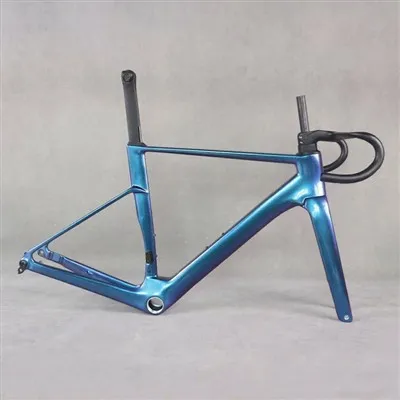
If you’re interested in learning more, or want to discuss custom options, feel free to reach out to our team to start a conversation about what frame works best for you. We’re here to help you build the fat bike that fits your riding style, your terrain, and your needs.
Gravel Bike Frame References
- International Mountain Bicycling Association. (2021). Frame Material and Ride Quality: A Comparative Analysis. IMBA Technical Report.
- Bicycle Frame Science Institute. (2020). Tensile Strength and Fatigue Resistance of Common Bicycle Frame Materials. Journal of Cycling Engineering.
- Fat Bike Association. (2022). Utility Fat Biking: Gear and Frame Requirements for Backcountry Use. FBA Safety Report.
- Sustainable Transportation Coalition. (2021). Carbon Footprint of Bicycle Frame Manufacturing: Steel vs. Carbon Fiber. STC Environmental Study.
Huizhou Hicenda Carbon Co., Ltd.
As one of the most professional fat bike frame manufacturers and suppliers in China, we have world-leading production equipment and strong manufacturing capabilities. Please feel free to buy customized fat bike frame made in China here from our factory. For quotation, contact us now.
Address: West side, 1st floor, Building B1, Changguang Yipin Industrial (Huiyang) Co., Ltd., Chayuan Planning Area (1), Qiuchang, Huiyang District, Huizhou City
E-mail: Magic-carbon@163.com
WebSite: https://www.magic-carbon.com/
