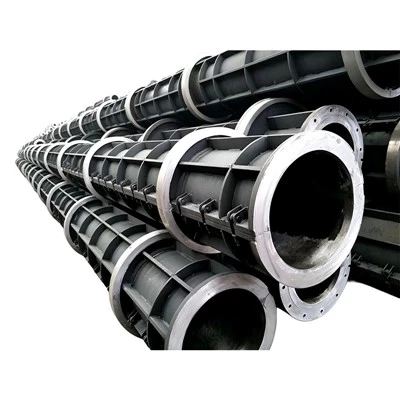
When you’re standing in front of a concrete pipe machine, ready to start a production run, safety can’t be an afterthought. For over a decade, I’ve worked as a concrete pipe machine supplier— I’ve walked side by side with operators, watched new hires skip a step because their last foreman was in a rush, and heard the same small warning that turns into a big problem years later. This isn’t just about checking boxes on a safety checklist; it’s about protecting the hands that build the pipes that hold our water systems, road projects, and neighborhood infrastructure together. Today, I want to break down exactly what safety gear every operator needs when running this heavy equipment, why each piece matters, and how I’ve seen it make the difference between a safe shift and a trip to the emergency room. Concrete Pipe Machine
Let’s start with the head, because accidents to the skull are the most dangerous and permanent ones. Concrete pipe machines are big—their moving parts can swing unexpectedly, heavy pipe ends can roll, and chunks of wet concrete can splatter hard enough to cause a concussion if they hit you wrong. I’ve witnessed this first hand: a new operator at a job site in Ohio skipped a hard hat once, leaned in too close to a mold that was shifting mid-cycle, and got struck by a loose steel clamp. He wasn’t wearing anything, and by the time we got him to the hospital, he’d suffered a mild traumatic brain injury that kept him off work for three months. The gear that would have prevented this is not just any hard hat—it’s a Type E (electrical) hard hat, rated for impact and penetration, not just the basic style you can pick up at a dollar store. Type E hats are made with high-density polyethylene shells and suspension systems that absorb 200 pounds of force dropped from 6 feet, which is exactly the kind of impact you get from a falling pipe clamp or a flying concrete chip. They also have a chin strap that should be adjusted so the hat sits level on your forehead, not tilted back where it can slip off if you bend down. I don’t just recommend these to my customers—we keep a stack of extra Type E hard hats in every machine crate we ship, because I’ve learned it’s better to have them available than to hear someone say they forgot theirs that morning.
Next, your eyes. Wet concrete is alkaline, with a pH level that can burn through skin if it sits long enough, but when it splashes into your eye, it can cause permanent blindness in minutes. Concrete pipe machines spray slurry, eject rough-edged concrete chunks, and expose operators to metal shavings from mold adjustments—all of which are eye hazards. Regular prescription glasses aren’t enough here; you need impact-resistant safety goggles, not the foggy, flimsy ones you might use for a weekend project. I always tell operators to look for goggles that meet ANSI Z87.1 standards—the gold mark for eye protection in industrial settings. These goggles wrap around the sides of your face, so no splatter can get in from the gap between your glasses and the lens, and they have anti-fog coatings because working around wet concrete means high humidity that makes cheap goggles fog up faster than a bathroom mirror after a shower. I’ve had customers tell me they wear face shields too, but here’s the thing: a face shield works as extra protection, not a replacement. If a chunk of concrete hits the shield at an angle, it can crack and let material through—goggles are your first line, the shield is backup for when you’re handling heavy pipe or adjusting the machine’s inner mold.
Moving down to your hands—operators spend all day adjusting machine parts, spreading concrete, and moving wet pipe, which means their hands are at constant risk. Wet concrete can cause chemical burns that split skin and leave permanent scars; rough-edged metal molds can cut through regular work gloves like paper; and the hydraulic lines on the machine can pinch fingers if you’re not careful. The right gloves are a balance of protection and dexterity, because you still need to feel when a mold is locked into place or when concrete is evenly spread. I recommend two pairs for each operator: a pair of heavy-duty nitrile-coated gloves for handling wet concrete, and a pair of cut-resistant gloves (rated level A4 or higher, which can handle cuts from sharp metal) for adjusting machine parts and moving heavy hardware. Nitrile gloves are better than latex or rubber because they don’t tear as easily when they get snagged on metal, and they resist the alkaline burn of concrete much longer than regular rubber gloves. Cut-resistant gloves are also important because I’ve seen operators try to pry a stuck mold open with their bare hands and end up with a laceration that required stitches. The key here is to check your gloves at the start of every shift—if there’s a tear, a hole, or they’re stiff with dried concrete, throw them away. I always include a set of replacement gloves in the maintenance kit that comes with every machine I sell, because worn-out gloves are as bad as no gloves at all.
Your feet are another area where I’ve seen preventable injuries. Concrete pipe machines sit on concrete pads, but the areas around them are often wet from spilled slurry, oily from hydraulic fluid, and scattered with small chunks of concrete. Slip and fall injuries here are common, and they can be serious— a fall can twist an ankle, or even worse, send your foot under a moving part of the machine. The right footwear is steel-toe work boots with slip-resistant rubber soles, rated for both impact and slip resistance. Steel-toe boots meet ASTM F2413 standards, which means they can withstand a 2,500-pound weight dropping on the toe—enough to protect you if a 50-pound concrete end rolls off a pallet. The slip-resistant soles are made with a deep, treaded rubber that grips concrete even when it’s covered in slurry or oil. I’ve had a customer in Texas tell me he once saved himself from a bad fall when he stepped in a puddle of hydraulic fluid while wearing these boots—they didn’t slip at all, while his old work boots would have sent him tumbling. Avoid wearing sneakers or casual work shoes here; they don’t have steel toes, and their thin soles let every small rock and metal edge poke through, causing blisters or cuts over time.
Then there’s the gear that’s not just protective for you, but keeps you aware of what’s going on around the machine: high-visibility clothing. Concrete pipe yards are busy places—forklifts are moving heavy pipe, other operators are running adjacent machines, and there’s a lot of noise that can make it hard to hear someone calling your name. High-visibility vests or shirts (class 2, per OSHA standards) are bright orange or yellow, with reflective stripes that make you stand out even when the sun is low or you’re working under warehouse lights. I’ve seen a close call where a forklift operator almost backed into an operator who was leaning under a machine to adjust a valve—because he was wearing a faded blue work shirt, the driver didn’t see him until he was 2 feet away. A high-visibility vest would have made that operator visible from 50 feet away, and that accident would have been avoided. Also, make sure the clothing is close-fitting, not baggy—loose sleeves or hoodies can get caught in the moving parts of the machine, which is a major hazard. I tell all my customers to make every operator wear a high-visibility vest that fits them properly, no exceptions.
Now, two pieces of gear that people often overlook, but I can’t stress their importance enough: hearing protection and respiratory gear. Concrete pipe machines are loud—when they’re mixing concrete, vibrating molds, or cutting cured pipe, they produce noise levels of 85 decibels or higher. That’s the level where prolonged exposure can cause permanent hearing loss, and after 10 years of running these machines, most operators will have some hearing damage if they don’t wear protection. The right hearing protection is either earplugs rated for NRR 25 or higher, or over-ear earmuffs rated for NRR 27 or higher. The key is that they fit properly—earplugs should roll into a tight cylinder, be inserted deep into the ear canal, and form a seal. Earmuffs should cover the entire ear, with no gaps around the edges. A common mistake I see is operators wearing one earplug because they think they can hear the machine better, but that leaves one ear unprotected, and over time, that leads to uneven hearing loss.
Respiratory protection is just as important, especially when you’re working with wet concrete dust, which gets released when you’re cleaning molds or handling cured pipe. Concrete dust has crystalline silica, a substance that causes silicosis, a permanent lung disease that gets worse over time and has no cure. You can’t smell or see silica dust, but it’s there—when you wipe down a mold after a pour, the fine dust rises and gets into your lungs. The right respiratory gear is an N95 respirator, rated by NIOSH, that fits snugly over your nose and mouth. It should form a seal so that no dust gets in around the edges, and it needs to be replaced every day or if it gets damaged or wet. I once had an operator who skipped wearing a respirator because he said he didn’t feel anything wrong—five years later, he was diagnosed with silicosis, and he can no longer work. That’s the kind of injury that stays with you forever, and a $1 respirator every shift would have prevented it.
Beyond the gear itself, there’s one more thing I always emphasize to my customers: training. Gear only works if you use it correctly, and if you train your operators to recognize when they need to use it. When I sell a concrete pipe machine, I don’t just drop it off and leave— I stay for two days to train the foreman and a few operators on not just how to run the machine, but how to use every piece of safety gear. I walk them through how to adjust hard hat straps, test if goggles form a proper seal, check that gloves aren’t torn, and fit hearing protection. I also tell them to hold pre-shift safety huddles every morning, where everyone checks their own gear and points out if someone else’s gear is damaged. For example, if an operator has a crack in their goggle lens, the foreman should make them get a new pair before they start—no exceptions.
I’ve been in this business long enough to know that safety isn’t something you can buy once and forget about. It’s a daily practice, one that starts with putting on the right gear before you turn the machine on. Every piece I’ve mentioned here isn’t just a recommendation—it’s what I make sure my own operators use when I’m on a job site, and what I insist my customers provide for their teams. The pipes we make are built to last 50, 100 years, so the people building them deserve to go home to their families every night.

If you’re in the market for a concrete pipe machine, or you want to upgrade your current setup to keep your team safe, we’re here to help. We don’t just sell machines—we provide the support, gear, and training to make sure your operation runs safely and efficiently. Reach out to us to discuss your needs, and we’ll walk you through every step, from choosing the right machine to setting up a safety plan that works for your team.
Concrete Spun Pile Machine References:
- Occupational Safety and Health Administration. (2023). Concrete and Stone Construction Safety Standards. U.S. Department of Labor.
- American National Standards Institute. (2022). Personal Protective Equipment Standards for Industrial Settings. ANSI Z87.1-2020.
- National Institute for Occupational Safety and Health. (2021). Silica Dust Exposure and Respiratory Protection in Construction. NIOSH Publication No. 2021-108.
- Concrete Pipe Association. (2022). Operator Safety Guidelines for Concrete Pipe Manufacturing Equipment. Concrete Pipe Association Technical Bulletin.
- Occupational Safety and Health Administration. (2023). Hearing Conservation Program Requirements. OSHA 3067-06N.
Jiangsu Zhongjian Concrete Machine Equipment Co., Ltd.
As one of the most professional concrete pipe machine manufacturers and suppliers in China, we’re featured by high quality customized products. Please feel free to wholesale high quality concrete pipe machine for sale here from our factory. Welcome to contact us for pricelist.
Address: Chengbei Industrial Park, Jiangdu District, Yangzhou City, Jiangsu Province
E-mail: JSZJTJ2026@163.com
WebSite: https://www.zhongjianmach.com/
