What is a bobtail semi truck? If you’ve ever spent time around freight yards or highway truck stops, you’ve probably heard drivers toss around that term like it’s second nature—and if you’re a new fleet owner or someone looking to get into the semi trailer game, it might leave you Googling more than you expected. Let’s break this down straight, no jargon, just what matters: for our team, as a semi trailer supplier, we see bobtail trucks every single day, and how they tie directly to the trailers we build for haulers. Semi Trailer
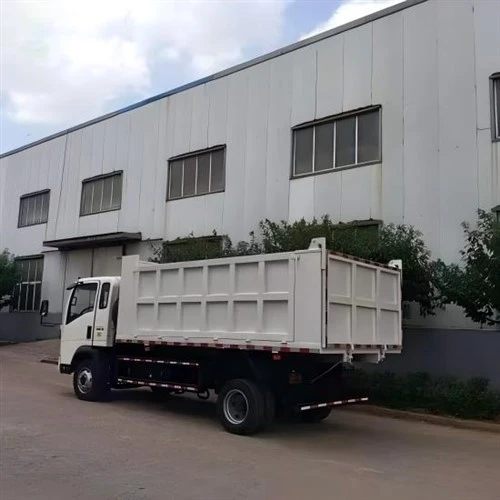
First, let’s skip the fancy definitions and start with the basics. A bobtail semi truck is the tractor unit of a semi, minus the semi trailer hooked to the back. That’s it in a nutshell. When a driver isn’t hauling anything—whether they’re heading to pick up a new trailer from a yard, dropping off an old one for maintenance, or running quick errands for their fleet—they’re driving the cab by itself, no trailer attached. That’s the bobtail. Simple, right? But there’s way more to it than just “no trailer.” It’s a whole different operating mode that changes how the truck handles, how it’s used, and even why it matters to anyone who buys semi trailers for their business.
Let’s talk about how it works for a hauler. Say a driver’s route finishes in Chicago, and they need to head 50 miles to a trailer yard in Indiana to pick up a refrigerated trailer for their next load. They unhitch their current trailer, hop in the cab, and bobtail down the highway. Without the extra 30 or 40 feet of trailer behind them, the truck is shorter, lighter, way more maneuverable. You don’t have to worry about wide turns, tail swipes, or backing into tight spots—things that are way trickier with a full trailer. That’s the big upside of bobtailing: it’s the empty, nimble version of the rig.
But here’s where it gets important for us, as a semi trailer supplier. A lot of new fleet owners mix up the bobtail and the trailer, and that mistake costs them time and money. For example, when a driver is bobtailing, they’re not just driving empty space—they’re moving towards a trailer to haul, which means the bobtail’s engine, transmission, and brakes are built to work with that trailer. If you buy a trailer that’s too heavy or too long for your bobtail to handle, you’re setting yourself up for breakdowns, fines, or even accidents. We run into this all the time when clients come to us looking for their first trailer: they ask, “How do I know this 53-foot dry van will work with my 2018 Peterbilt?” and the first thing we check is the bobtail’s gross combination weight rating (GCWR) vs. the trailer’s weight and load capacity. That’s not small talk—that’s how we make sure our trailers fit their existing rigs, no headaches later.
Now, let’s clear up a common myth: a bobtail isn’t just “a truck without a trailer.” It’s specifically the semi’s tractor, not any old pickup or box truck. A lot of people see a big, single cab truck on the road and call it a bobtail, but that’s wrong. A true bobtail is the power unit designed to couple with a semi trailer—so it has that fifth wheel coupling on the back, the air brakes that connect to the trailer’s braking system, and the axles built to support the trailer’s weight. If it doesn’t have that fifth wheel, it’s just a big truck, not a bobtail. That detail matters because when you’re buying a trailer, you need to make sure your tractor has the right coupling and brake setup to work with it. We always walk our clients through that: if your bobtail has a 15-inch fifth wheel kingpin, we can only build trailers with a matching kingpin size, no exceptions.
Another thing that surprises people: bobtail operation has its own set of rules. Federal and state regulations in the U.S. have different weight limits for a bobtail vs. a combination semi. When it’s just the tractor, the maximum weight you can have on the road is usually around 20,000 pounds for the steer axle, and 34,000 pounds for the drive axles—total around 54,000 pounds. When you add a trailer, that goes up to 80,000 pounds total, which is the legal limit for combination vehicles. That means a driver can’t overload their bobtail, even if they’re just hauling tools or fuel for the truck. For fleet owners, this matters because if you’re using a bobtail to move supplies around the yard, you can’t load it like you would a full rig. We’ve had clients learn this the hard way: they loaded a bobtail with extra parts for repairs, got pulled over, and got a hefty fine. So we always remind new owners to keep their bobtail’s weight within the legal limits.
Now, why does this matter so much for semi trailer buyers? Let’s use a real example. A local delivery company came to us last year, looking to add three new dry van trailers. They had a 2020 Kenworth bobtail, and they thought any 53-foot trailer would work. When we checked, their bobtail’s GCWR was only 100,000 pounds, and a loaded 53-foot dry van can weigh up to 80,000 pounds, so that would leave just 20,000 pounds for the driver, fuel, and supplies—way too little. We suggested a 48-foot dry van instead, which is lighter when loaded, so it fit their rig perfectly. That small detail saved them from having to upgrade their entire bobtail fleet a year later. That’s the kind of practical, on-the-ground knowledge we bring to the table as a semi trailer supplier.
What about different types of bobtails? You’ve got day cab bobtails, which are the most common—drivers use them for local routes, so they don’t have a sleeper berth. Then there’s sleeper cab bobtails, which are for long-haul drivers who might bobtail between runs across states. There also are dedicated bobtail trucks that fleets use specifically for moving trailers around yards, not for over-the-road hauling. Those usually have reinforced frames, extra heavy-duty brakes, and maybe even lift axles to handle the constant coupling and uncoupling. We build trailers that work with all of these, because we know one size doesn’t fit every bobtail.
Let’s touch on maintenance too, since that’s a big part of keeping your rig running. Bobtails take just as much maintenance as the full combination, but they wear out differently. The drive axles, which do all the work when bobtailing, get more stress than when they’re pulling a heavy trailer. So if a driver is bobtailing every day, you’ll want to check the brakes, tires, and suspension more often. For trailer owners, that means you should also check your fifth wheel regularly—when you couple and uncouple constantly, it can wear out, which can lead to safety issues. We always include a free maintenance guide with every trailer we sell, and we walk through how to inspect the fifth wheel to work with your bobtail, no special tools needed.
Another common scenario: when a trailer breaks down, the bobtail driver has to go pick it up. That means the driver is hooking up a broken trailer, which might be heavier than usual, or have a faulty braking system. So it’s not just smooth sailing. That’s why fleet owners need to make sure their bobtail can handle unexpected loads, not just their regular haul. We’ve had clients who ignored that and ended up stuck on the side of the highway with a broken bobtail, because they tried to pull a heavy, broken trailer with a rig that wasn’t built for it. We help them avoid that by asking detailed questions about the loads they might need to tow, not just their daily runs.
Now, let’s get to the part that’s on every trailer buyer’s mind: how to make sure your bobtail and new trailer work together. First, jot down your bobtail’s specs: GCWR, the weight rating of the drive and steer axles, the kingpin size on the fifth wheel, and the brake type (air brakes vs. hydraulic brakes, though most semi tractors have air brakes). Then, when you’re looking at trailers, tell us those specs upfront. We’ll match you with a trailer that fits, not just in size, but in weight capacity and coupling. For example, if your bobtail has a 2-inch kingpin, we’ll make sure the trailer’s kingpin is the same, so you don’t have to buy a new fifth wheel adapter. If you’re running local routes and need a smaller trailer, we can build a 28-foot or 32-foot dry van that pairs perfectly with your bobtail, no overkill involved.
If you’re new to the trucking game, don’t sleep on the bobtail vs. trailer relationship. A lot of new owners think the trailer is the only thing that matters, but the bobtail is your power source—if they don’t work together, you’re wasting money on repairs, fines, and downtime. We see this every week: a driver brings a trailer to our yard, says it doesn’t fit their rig, and we adjust the specs to match their bobtail. It’s way easier to get that right upfront than to fix it later.
So to wrap it up, a bobtail semi truck is the tractor unit of a semi without its trailer—simple, but with way more depth than just that definition. It’s the nimble workhorse that gets trailers picked up, dropped off, and moved around yards, and it’s the backbone of every hauling operation. As a semi trailer supplier, our job isn’t just to build you a trailer—it’s to make sure that trailer works with your bobtail, so you can get on the road without stress.

If you’re in the market for a new semi trailer, or you just want to make sure your current setup pairs with your bobtail, we’re here to help. Skip the confusion, ask us the right questions, and we’ll guide you to the right trailer for your needs.
Water Tank Truck References:
- Federal Motor Carrier Safety Administration. (2023). Commercial Vehicle Weight Limits and Regulations.
- American Trucking Associations. (2022. Bobtail Operation and Fleet Maintenance Best Practices.
- Truck Trailer Manufacturers Association. (2023). Semi Trailer Coupling and Compatibility Guidelines.
Owin Vehicles Co., Ltd.
As one of the most professional semi trailer manufacturers and suppliers in China, we also support customized service. With abundant experience, we warmly welcome you to wholesale advanced semi trailer for sale here from our factory. Quality products and low price are available.
Address: Room 2428, Building 3, Aosheng Building, Licheng District, Jinan City, Shandong Province
E-mail: Owinvehicle@163.com
WebSite: https://www.owintrailer.com/
