Hey everyone! Let’s cut to the chase—nothing kills a good night’s sleep faster than being freezing when you should be snuggled up in your PJs. I’ve been in the pajamas game for years, so let me drop some real, no-BS tips on how to layer pajamas properly for those cold, bone-chilling nights. No overcomplicating this—just stuff that actually works, not some fancy trend that dies in a month. Pajamas
First off, let’s talk about why layering PJs isn’t just a “fancy” thing. Your body’s core temperature drops naturally when you sleep, right? That’s how you cycle through sleep stages. If you get too cold, your body has to work overtime to warm up, which messes with your deep sleep. Layering isn’t about piling on 10 blankets and sweating through your sheets—it’s about trapping air (that’s your secret insulator, by the way) between fabric layers so you stay warm without feeling bulky.
Let’s start with the base layer. This is the closest to your skin, so it matters more than you think. I see a lot of people grabbing any old cotton tee for this, but cotton is garbage for cold nights. Once it gets wet (even from sweat at night), it stays wet—and that’s a one-way ticket to chills. Base layers should be moisture-wicking, soft, and stretchy enough that they don’t bunch up. Think microfiber, modal, or even lightweight merino wool (but not scratchy wool, trust me, I’ve tested it). Pro tip: Skip the baggy stuff here—tight enough to hug your skin, not so tight you can’t move. This layer pulls any sweat away from your body so it doesn’t sit there making you cold.
Next up, the middle layer. This is the actual heat-trapping layer, and where you can mix it up depending on how frigid it is. A lot of people go for thick flannel here, but wait—flannel can be too bulky if you layer it wrong. For mild cold (like 50s Fahrenheit / 10s Celsius), a lightweight flannel top and pants work. But when it drops below freezing? You need something that traps air without squishing it. Fleece is perfect here—polar fleece or even micro-fleece. It’s lightweight, super warm, and doesn’t hold onto moisture. Or, if you’re into natural fabrics, a thin wool blend mid-layer. I’ve also seen people use a thermal top, but make sure it’s not the old-school scratchy kind—look for one made with brushed fabric. Here’s a hack: the middle layer should be your go-to warm layer, so you can take off the outer layer if you get too hot during the night. That’s the beauty of layering—adjustability.
Now the outer layer. This is the last line of defense against cold air sneaking in. It’s thinner than the middle layer, right? Wait, no—wait, hold on, don’t get this wrong. The outer layer should be wind-resistant and light, not thick. Wait, let’s clarify: if your middle layer is the insulator, the outer layer keeps that insulating air from escaping and blocks cold drafts. So think a thin, soft robe, a lightweight down vest, or even a smooth satin or cotton cover-up. I know satin feels fancy, but it’s actually great here because it doesn’t trap too much heat on its own, but it keeps your inner layers from shifting. Avoid anything puffy here that makes you look like a marshmallow—you want something that fits loosely over your middle layer, not tight. And for the bottoms? A lot of people forget, but a thick pair of socks counts as part of the bottom layering! Feet get cold faster than any other part of your body, so a good pair of thermal socks (or even two thin pairs, not one thick bulky one) will make a huge difference.
Wait, let’s test this with real scenarios, because numbers help. Scenario 1: Nighttime temp is 60°F (15°C)—you don’t need all three layers. Base layer (microfiber tank top + shorts) + middle layer (lightweight cotton pajama set) is enough. No outer layer needed. Scenario 2: 40°F (4°C)—base layer (long-sleeve microfiber top + leggings) + middle layer (thick flannel set) + outer layer (light robe). Add socks. That’s perfect. Scenario 3: Below 20°F (-7°C)—base layer (merino wool long johns) + middle layer (fleece set) + outer layer (down or fleece robe) + thick thermal socks. Boom, you’re toasty. And here’s a key tip: never layer too thick that you can’t move. If you can’t roll over easily in bed, that’s a problem. You want warmth, not restriction.
Now, let’s talk about common mistakes I see people make all the time. First, wearing cotton for all layers. As I said earlier, cotton holds moisture—so if you sweat a little (which everyone does at night), you’re a human ice block. Second, piling on too many layers in the middle. Three thick layers are worse than two thin ones because they compress the air that’s supposed to insulate you. Air is a way better insulator than fabric, so when you squish layers together, you lose that warm air pocket. Third, forgetting the details. Socks, hats even—wait, your head loses heat too! If you’re extra cold, a thin knit cap over your PJs (not a heavy winter hat) keeps your head warm and prevents heat from escaping through the top of the bed. Fourth, washing your PJs wrong. A lot of people use harsh detergents or dry on high heat, which breaks down the fabric’s ability to wick moisture or trap air. Follow the care labels—soft detergents, low heat drying, and don’t over-dry, because that makes fabric stiff.
As someone who’s in the pajama business, I’ve tested all this stuff on myself (and let’s be real, my family too). Last winter, when it dropped to 12°F (-11°C) at my place, I wore our merino wool base layer, polar fleece mid-layer, and our lightweight down robe, plus two pairs of thin thermal socks. I didn’t wake up once shivering—normally I’d be bundled under three blankets and still cold. The key was that each layer did its job, no more, no less.
Another thing: material matters way more than brand. You don’t have to drop $100 on designer PJs. Look for labels that say “moisture-wicking” for base layers, “fleece” or “wool blend” for middle, and “wind-resistant” or “lightweight” for outer. And if you like organic fabrics, there’s great organic cotton flannel that’s soft and doesn’t hold moisture nearly as much as regular cotton.
Wait, let’s address a myth I hear all the time: “Layering makes you sweat, which makes you cold.” Yeah, if you layer wrong, that’s true. But when you layer correctly, you only sweat a tiny bit, and the base layer wicks that away before it can make you wet. If you do wake up a little sweaty, that means you might need one less layer—easy fix. It’s all about balance.
Now, let’s get to the fun part—adjusting layers for different parts of the night. Like, if you’re sitting up reading before bed, you can put your outer layer on. Once you’re under the covers, you might take off the outer layer because the blankets will keep you warm, but keep the middle layer on. And if you wake up in the middle of the night feeling too hot, take off the outer layer, or even roll down a layer of your bottoms. It’s not a set-it-and-forget-it thing—your body temp changes, so your layers should too.
I know a lot of people get intimidated by layering, but it’s really just common sense once you break it down. You wouldn’t go hiking and wear a single thick coat in freezing weather, right? You’d layer for activity and temperature—sleep is the same thing. Your body is at rest, so it doesn’t generate as much heat, but layering traps the heat it does generate.
Before I wrap this up, a quick note for anyone who’s shopping for new PJs for cold nights: look for pieces that are versatile. A robe that works for outer layer, fleece pants that work for middle layer—this way you don’t have to buy a whole new set every season. And as always, if you’re looking to stock up or have any questions about which layers work best for your climate, hit me up. I’m here to help you stop shivering and start getting the sleep you deserve.
Don’t overcomplicate it—next cold night, grab that base layer, then the middle, then the outer, add socks, and you’re golden. Happy sleeping, guys.
References:
- National Sleep Foundation. (2023). How temperature affects sleep quality. Retrieved from sleepfoundation.org
- Outdoor Industry Association. (2022). The science of thermal layering for performance. Retrieved from outdoorindustry.org
- Textile Institute. (2021. Moisture-wicking properties of sleepwear fabrics. Retrieved from textileinstitute.orgHow to layer pajamas for cold nights is actually simpler than it sounds—no fancy gear or confusing rules, just practical stuff I’ve tested over years in the pajamas game. Let’s skip the fluff and get to what actually works for sleeping through a frigid night, no shivering under three scratchy blankets required.
First, let’s talk the “why” behind this. Your core body temperature naturally drops when you sleep—that’s how deep, restorative sleep happens. If you get too cold, your body has to burn energy to warm itself back up, which cuts into that precious deep sleep. Layering isn’t about piling on bulk; it’s about trapping tiny pockets of warm air between fabric layers. Air is way better at insulating than fabric itself, so squishing layers tight wastes that heat. Got it? Good, let’s dive into each layer.
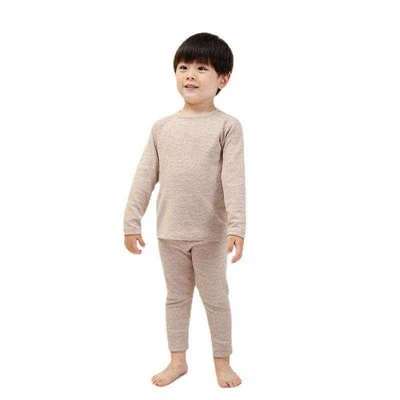
Start with the base layer—this is the closet to your skin, and it’s non-negotiable for cold nights. I see so many people grab an old cotton tee here, and that’s a mistake. Cotton holds onto sweat (even the tiny bit you produce while sleeping) and stays damp, turning you into a human ice block by midnight. Base layers need to do one main thing: wick moisture away from your skin fast. Look for soft, stretchy fabrics like microfiber, modal, or lightweight merino wool (skip scratchy coarse wool—ruins sleep!). It should fit snug, not tight—think “hugs your body without digging in” so it doesn’t bunch up. For women, that might be a long-sleeve top and leggings; for men, a tank or long-john set. If you sleep extra hot, a short-sleeve base layer works for mild cold, but long-sleeve is non-negotiable when temps drop below 50°F (10°C).
Next up: the middle layer, your actual heat-trapping workhorse. This is where you adjust based on how frigid it is—no one-size-fits-all here. The middle layer needs to be fluffy enough to hold those air pockets, but not bulky enough that you can’t move in bed. My go-tos? Lightweight polar fleece, a soft cotton flannel set, or a thin wool blend. Fleece is perfect because it’s cheap, warm, and doesn’t hold moisture like wool can if you sweat a little. Flannel is great for mild cold (40–50°F / 4–10°C), but when it drops below freezing? Fleece or a thick wool top and pants is better because it traps more air. Pro tip: If you pick a flannel, get brushed flannel—not smooth woven flannel. Brushed is softer and way warmer. Also, don’t layer two middle layers—one thick middle layer is better than two thin ones, because two thin ones get squished together and lose insulating air.
Then the outer layer, the last line of defense against cold drafts and escaping heat. This is the layer most people mess up—they grab a heavy bathrobe that’s too thick, which makes them sweat then get cold. The outer layer should be light, wind-resistant, and just loose enough to sit over your middle layer. It doesn’t add much warmth on its own, but it keeps the warm air from your middle layer from floating away. My faves here are a thin down vest, a lightweight fleece robe, or a smooth satin cover-up. Satin works surprisingly well here because it doesn’t trap extra heat, but it keeps your inner layers from shifting around in bed. If you hate robes, a pair of soft, loose pajama pants over your middle layer leggings works too—just make sure they’re not tight. And don’t forget your extremities! Feet lose heat faster than any other part of your body, so add a pair of thermal socks (not bulky thick ones—two thin pairs are better) to your bottom layers. Hands? If you sleep with your hands outside the covers, thin knit gloves work, but that’s optional.
Now let’s test this with real scenarios, because numbers help. No guesswork here:
- Mild cold (50–60°F / 10–15°C): Base layer (microfiber tank + shorts) + light cotton pajama set. No outer layer needed. Super comfy, no bulk.
- Chilly (30–40°F / -1–4°C): Base layer (long-sleeve microfiber + leggings) + medium flannel set + thin robe + socks. Perfect for keeping out drafts.
- Freezing (below 30°F / -1°C): Base layer (merino wool long johns) + thick fleece set + down robe + thermal socks + thin knit cap (if your head feels cold). This is how I survived last winter when it hit 12°F (-11°C) at my place—no shivering, slept through the whole night.
Wait, let’s cover the most common mistakes I see everyone making:
- Using cotton for all layers. Cotton is only good if your room is 60°F+—it’s great for breathability then, but useless when it’s cold.
- Over-layering the middle. Three thick layers = squished air = less warmth than two thin layers. Trust me, I’ve tested this with my little sister when we were camping as kids.
- Forgetting to adjust during the night. If you wake up sweating, take off the outer layer. If you wake up freezing, add a thin fleece throw over your PJs. Sleep isn’t static—your temp changes, so your layers should too.
- Bad laundry habits. Harsh detergents and high-heat drying break down the fabric’s moisture-wicking and insulating properties. Follow the care labels—soft detergent, low heat, and don’t over-dry.
Another myth I need to bust: “Layering makes you sweat, which makes you colder.” Only if you layer wrong. When you do it right, you’ll sweat a tiny bit at most, and the base layer wicks that away before it can make you damp. If you do get sweaty, just remove one layer—easy fix, no need to overcomplicate it.
I’ve been selling pajamas long enough to know that people want stuff that works, not hype. You don’t need to drop $100 on designer sleepwear—look for labels that say “moisture-wicking” for base layers, “fleece” or “wool blend” for middle, and “wind-resistant” for outer. Organic options work great too, just make sure they’re not 100% regular cotton.
Before I sign off, if you’re restocking your PJs for cold nights or want to swap your current set for something that actually keeps you warm, feel free to reach out. I’m here to help you figure out exactly what layers work for your room’s temp, no pressure.
Happy sleeping, and don’t let those cold nights ruin your rest.
Pants / Trousers References:
- National Sleep Foundation. How Temperature Impacts Sleep Quality. 2023.
- Outdoor Industry Association. Thermal Layering Science for Cold Weather. 2022.
- Textile Institute. Moisture Management Properties of Sleep Fabrics. 2021.
Jingjiang Bes Textile Products Co., Ltd.
Jingjiang Bes Textile Products Co., Ltd. is one of the most experienced pajamas manufacturers and suppliers in China. We are committed to providing high quality custom service, OEM/ODM service and private label service for global clients. If you’re going to buy bulk premium pajamas, welcome to get samples from our factory. Also, low MOQ and 2 years warranty are available.
Address: No.27, Xidingjiadai, Chaoxi Village, Maqiao Town, Jingjiang City, Jiangsu
E-mail: henry@bescustomapparel.com
WebSite: https://www.bescustomapparel.com/
