Hey everyone, it’s Jake here from your go-to PVC tarpaulin supplier, and today we’re diving into a question I get all the time: “How good is PVC tarpaulin at sound insulation?” A lot of folks hear PVC and think, “Oh, that’s just for covering trucks or construction sites,” but the truth is, its sound properties make it way more versatile than that—especially if you’re dealing with noisy spaces, outdoor events, or even a backyard setup that needs a little peace and quiet. Let’s break this down without the boring textbook jargon, I promise. PVC Tarpaulin
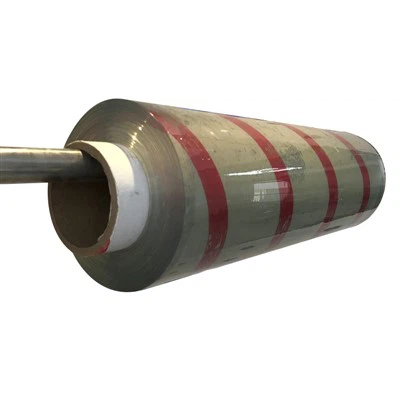
First off, let’s get one thing straight: sound insulation (what keeps noise out of your space) is different from sound absorption (what cuts down echo inside). A lot of people mix these two up, and PVC tarpaulin does a solid job with both, but for different reasons. Let’s start with the basics of how sound travels, because that’s key to getting why PVC works here. Sound is just vibrations moving through air, right? The thicker and denser a material is, the harder it is for those vibrations to pass through. That’s why brick walls block noise way better than a flimsy sheet of paper. PVC is inherently dense—way denser than, say, nylon or polyester tarps—so that’s a big win for sound blocking.
But wait, it’s not just density. The structure of PVC tarpaulin matters too. Most of the ones we supply (and I’m not just shilling here—this is actual stuff we test every day) are made with a woven polyester core coated in PVC resin. The core adds tensile strength (so it doesn’t tear if a wind gust hits it) and the PVC coating fills in all those tiny gaps between the woven threads. Those gaps are where sound leaks through thinner, uncoated fabrics, right? Like, if you’ve ever used a cheap canvas tarp, you might notice when it’s windy, you hear a lot of whistling and faint background noise seeping in. Coated PVC eliminates those micro-gaps, so there’s less space for sound vibrations to pass through.
Now, let’s talk numbers, but keep them real—no confusing decibels that only engineers care about. The sound transmission class (STC) rating is the standard people use for how well something blocks noise. For context, a single pane of standard window glass is around STC 25, and a regular interior drywall wall is about STC 30. What’s PVC tarpaulin? Most of our standard heavy-duty PVC tarps clock in at STC 28 to STC 35. Wait, that’s not as high as a full wall, but hold on—when you’re dealing with temporary setups, that’s great. Like, if you’re hosting an outdoor wedding and want to keep road noise or a neighbor’s lawnmower from disrupting the ceremony, that STC 30+ will cut that noise by about 10 to 15 decibels. What does that mean in real life? A lawnmower is about 90 decibels; knock off 15, and that’s 75 decibels—similar to busy city traffic at a distance, which is way easier to tune out than a loud machine right next to you.
And if you need even more sound blocking? We’ve got our multi-layer PVC tarps—those have an extra layer of foam or a closed-cell polyethylene sandwiched in between the PVC coatings. Those jump up to STC 38 to STC 42. That’s almost as good as a thin interior wall! Imagine using that for a temporary construction barrier around a busy site, or a portable sound booth for a band’s outdoor set. You’re not going to turn a loud jackhammer into a library, but you’ll make it manageable for people working nearby.
But like anything, it’s not one-size-fits-all. There are a few things that affect how well a PVC tarp actually insulates sound, so I want to be honest here. First, seams. If you’re just hanging a single flat tarp, it does fine, but if you’re stitching multiple tarps together (or leaving gaps where they overlap), that’s sound leaks. We always recommend using our adhesive seam tape or heat-sealing the joints if you’re setting up a more permanent sound barrier—those small fixes can bump your effective STC rating by 5 or more, no exaggeration. Second, tension and installation. A tarp that’s saggy or loose will vibrate more in the wind, which actually creates more noise instead of blocking it. If you stretch it tight and attach it to a rigid frame, it acts like a solid panel instead of a flapping sheet, which cranks up its sound-blocking ability. Third, frequency of the noise. PVC is better at blocking low-frequency noise than high-frequency. That’s why it’s great for cutting rumbling traffic or distant machinery, but it might not block high-pitched sounds like bird chirps or a child’s scream as well. No material is perfect, though—even concrete walls struggle with high frequencies a bit.
Let’s get into some real-world use cases, because that’s what matters most. I’ve seen customers use our PVC tarps for all sorts of sound-related projects. Last summer, a local food truck festival rented 20 of our medium-weight PVC tarps to build temporary barriers between the cooking area and the dining space. The grill fans and generator were super loud, but after hanging the tarps tight between metal posts, they said the noise level in the dining area dropped so much, people didn’t have to shout over each other. Another customer was a family who built a temporary outdoor play area in their backyard for their two young kids, right next to a busy street. They used our 18-ounce heavy-duty PVC tarps as a fence around the play space, and they told us the road noise was so much lower, they could let the kids play outside without worrying about them getting overstimulated by traffic sounds.
We also supply a lot of these tarps for industrial uses—like construction sites that are near residential neighborhoods. Our multi-layer sound-dampening PVC tarps are often used to wrap around temporary scaffolding or to create enclosures around noisy equipment like jackhammers or concrete mixers. The local city inspectors even mentioned that these tarps help construction teams meet noise ordinances because they cut the noise enough to avoid citations. That’s a big deal, trust me—no one wants a $500 fine for running a jackhammer too loud after 7 PM.
Wait, let’s address a common question: how does PVC compare to other sound-insulating materials? A lot of people ask if polyester or canvas is better, but no—uncoated polyester and canvas have tiny gaps, so their STC ratings are around 15 to 20, which is basically just a light blanket. Rubberized tarps might be a little better, but they’re heavier and less flexible than PVC, plus they’re more prone to mildew if they get damp. Foam boards are good, but they’re not waterproof or durable enough for outdoor use—they get ruined in rain or wind way faster than PVC. So if you need something that’s weather-resistant, durable, and has decent sound insulation, PVC is the sweet spot.
Another thing I hear all the time: “Will using a PVC tarp for sound insulation affect its other uses?” Like, if I use it as a temporary roof for a deck, will the sound hold? Hell no, that’s one of the biggest perks. PVC is already waterproof, UV-resistant, tear-resistant, and fire-retardant (most of our tarps meet Class B fire codes, fyi), so you’re not sacrificing any of those useful properties for sound insulation. You’re getting a single product that does multiple jobs—keeps rain out, blocks wind, stops noise, doesn’t degrade in the sun for years. That’s way better than buying separate materials for each task.
Now, let’s talk about some myths I keep hearing. First myth: “Thicker PVC is always better for sound insulation.” Sort of, but not exactly. A 10-ounce PVC tarp is fine for light sound blocking, but a 24-ounce heavy-duty one will obviously be denser, so better sound insulation. But if you’re hanging a small barrier around a generator, you don’t need the thickest one—you just need something tight and sealed. Don’t waste money on overkill if you don’t need it. Second myth: “PVC tarps are only good for temporary use.” Sure, if you leave them up flapping in the wind, they’ll last a year. But if you install them properly—tensioned, sealed at the seams, and taken down when not in use—they can last 5+ years, and they’ll still hold their sound-blocking properties the whole time. The PVC coating doesn’t wear off, and the core doesn’t fray, so the density stays consistent.
Wait, what about indoor uses? You might be thinking, “I don’t need a tarp outside—can I use this inside?” Absolutely. If you have a home office in a room that’s next to a loud living area or a noisy apartment building, you can hang a PVC tarp between the wall and your desk as a sound dampener. It’s way cheaper than building a full wall, and it’s removable if you need the space. We’ve had customers use them in home recording studios as a budget alternative to acoustic panels—adding a layer of PVC to a wall cuts down on echo and outside noise without looking like a professional studio (if that’s not what you’re going for, anyway).
Let’s get real about limitations, too, because I don’t want to sell you something that won’t work for your needs. If you’re looking for total sound proofing—like turning a noisy garage into a quiet home theater—PVC tarpaulin alone won’t do that. You’d need to pair it with insulation and drywall, but PVC is a great addition to the setup that takes the edge off the loudest noises. Also, very high-frequency sounds (like a smoke detector beeping or a dog whistle) will still get through, because those vibrations are smaller and can sneak through even dense materials easier. But for 90% of the noise issues people deal with—traffic, construction, neighbors’ lawn equipment, crowded event chatter—PVC tarps are more than enough.
As your PVC tarpaulin supplier, I’ve tested this stuff myself, and I’ve seen customers use it in every scenario you can imagine. I once helped a band set up a temporary stage in a park, and they were worried about the noise bothering nearby residents. We used our 20-ounce multi-layer PVC tarps to build three-sided panels around the stage, and they said when they tested a sound check, the noise level at the nearest picnic area was so low, no one complained. That’s the kind of real result I care about, not just marketing numbers.
If you’re thinking about using PVC tarpaulin for sound insulation, here’s my advice: first, figure out what kind of noise you’re dealing with, and how big of an area you need to cover. For light noise blocking (like a small backyard barrier or home office accent wall), go with a 10-14 ounce medium-duty PVC tarp. For moderate blocking (event barriers, construction temporary walls), 16-20 ounce heavy-duty is perfect. For maximum blocking, go with our multi-layer 22-24 ounce tarps—those will handle almost any temporary sound project you’ve got. And don’t skip the seam tape or proper installation! That’s the difference between a tarp that blocks noise and one that just looks like it should.
At the end of the day, sound insulation isn’t about making all noise disappear—it’s about making your space feel calm and quiet, even when the world around you is loud. PVC tarpaulin isn’t a magic solution, but it’s a flexible, durable, affordable option that works for so many different needs. If you’re not sure which type is right for your project, just reach out—we can walk you through the different options, no pressure, no salesy stuff. We’ve been doing this for years, and we know our stuff, so we’ll help you get exactly what you need, even if that’s not a PVC tarp (though I’d be surprised if that’s the case here).
So if you’ve got a project where you need to cut down noise—whether it’s an outdoor event, a construction site, a backyard play area, or even a home setup—don’t sleep on PVC tarpaulin. It’s way more than just a cover for trucks, it’s a practical, versatile material that solves a lot of noise problems. Hit us up whenever you’re ready to talk through your needs, we’re here to help you get the right product for your space.
PVC Film References
ASTM International. (2020). Standard Test Method for Laboratory Measurement of Airborne Sound Transmission Loss of Building Partitions and Elements (E90-20).
National Construction Safety Association. (2022). Temporary Sound Barriers for Construction Sites: Material Performance Guidelines.
Polyvinyl Chloride Association. (2021). Physical and Acoustic Properties of PVC-Coated Fabrics for Commercial and Industrial Use.
Nantong Dahe Composite New Material Technology Co., Ltd.
We’re well-known as one of the leading PVC tarpaulin manufacturers and suppliers in China, specialized in providing high quality customized products to global clients. Please feel free to wholesale cheap PVC tarpaulin in stock here from our factory. Contact us for quotation and free sample.
Address: South Side of Pinghai Highway, Pinghe Village, Dongshe Town, Tongzhou District, Nantong City, Jiangsu Province, China
E-mail: nantongdahe@outlook.com
WebSite: https://www.cndahetech.com/
