If you’re running a factory that uses reel and tape packaging machines, or if you’re new to managing one, you know how frustrating it is when production slows down, or reels get jammed mid-run. As someone who’s been supplying reel and tape packaging machines for over a decade, I’ve seen firsthand how small, consistent tweaks can turn a so-so machine into a workhorse that cranks out perfect packaging all shift long. Let’s cut through the jargon and get into the actionable stuff that actually moves the needle on performance, no fancy upgrades required. Reel and Tape Packaging Machine
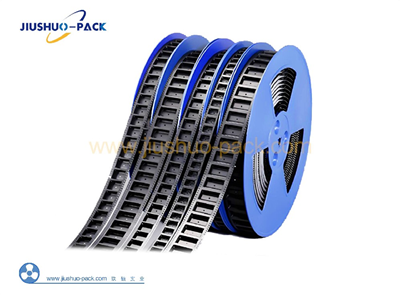
First, let’s talk about the part most people skip: the daily pre-run checks. I get it, after a long shift, the last thing you want to do is spend 10 minutes going through a checklist, but ignoring this is like skipping oil changes on your car—you’ll end up paying way more later. Here’s what I tell all my customers to do, no exceptions. Start with the reel holders. If your machine is set for different reel widths (like 7 inch or 13 inch, super common for electronics packaging), make sure the holder jaws are adjusted snugly, not too tight or too loose. Too tight, and you’ll stretch the tape or bend the reel core; too loose, and the reel will slip, causing wrinkles or uneven cuts. I’ve had a customer who skipped checking this once, and they had to scrap 200 reels of parts in one shift—total waste of material and time. Next, check the guide rollers. These little guys keep the tape from wandering as it feeds. If they’re caked with old adhesive or dust, they’ll pull the tape off-kilter, leading to misaligned packaging. A quick wipe with isopropyl alcohol before every run takes 2 minutes, and it’s saved so many people from mid-run jams. Also, don’t forget the cut blade—dull blades are a top cause of downtime. If you hear the machine making a crunching sound instead of a clean snip when it cuts, swap the blade right then. No need to wait until you have a pile of bad packaging to notice.
Next up, material setup and storage. A lot of new operators assume all reel and tape is the same, but that’s not true. The wrong type of reel or tape for your machine will kill performance. For example, if you’re using a machine rated for 1 mil thick tape, and you accidentally feed 1.5 mil thick tape, the motor will work way harder than it’s designed to, leading to overheating or belt slippage. That’s a quick way to shorten your machine’s lifespan. Also, how you store your reels matters. If you leave them in a hot, humid area (like near a loading dock or a boiler), the adhesive on the tape can soften, making it stick to the machine’s rollers or the reel itself. I recommend storing reels in a cool, dry space—between 60 and 75 degrees F, humidity under 50%—and letting them acclimate to the factory environment for at least 24 hours before running them. I had a customer in a coastal factory who was having constant tape sticking issues, turned out they were keeping reels in their unconditioned warehouse. Once they moved storage to their climate-controlled back room, their downtime from tape jams dropped by 70%—no new machine needed, just a storage tweak.
Then there’s routine maintenance that’s not just “changing parts.” Let’s talk about lubrication. I know, the instruction manual says “lubricate every 500 hours,” but most people wait until something squeaks, and by then, it’s too late. The key here is using the right lubricant—don’t just grab any oil from the shop. For most reel and tape packaging machines, we recommend a food-grade silicone lubricant for the guide rollers and shaft bearings, because it doesn’t attract dust or adhesive residue. If you use a heavy gear oil, it will gunk up over time, making parts move slower. Also, avoid over-lubricating—too much oil will get on the tape or the packaging, causing quality issues. A light wipe on the bearings once a week is way better than dumping oil on everything. Another maintenance point: belt tension. The drive belt that pulls the tape and reels can stretch over time, especially if you run long shifts. If the belt is too loose, the feed speed will be inconsistent, leading to uneven packaging; too tight, and it will wear out fast. How do you check it? Press down on the belt midway between two pulleys—if it moves more than ½ inch, it’s too loose. Adjust the tension bolts (they’re usually on the motor mount) until it’s at that ½ inch mark. This takes 5 minutes, and it’s a fix that’ll keep your feed speed steady all day.
Now, let’s get into operational tweaks that don’t involve fixing the machine itself. Operator training is huge. I see so many customers hire a new operator, show them how to hit the start button, and call it a day. But a trained operator can spot a tiny issue before it becomes a big problem. For example, a good operator will notice if the reel is starting to bow (that means the holder is too tight) or if the tape is pulling to one side (a guide roller is dirty) and fix it mid-run, instead of waiting for a full jam. I provide free 30-minute training calls for all my customers, and even a quick refresh on how to adjust reel tension or clean rollers saves them hours of downtime a month. Also, don’t run your machine at full speed all the time. It’s tempting to push it to max output to hit deadlines, but if you’re running 10 reels a minute when your machine is only rated for 8, you’re going to get more jams and more wear. Most modern reel and tape packaging machines have a variable speed control—use it! Run at a speed that matches your tape and reel size, not just what the machine can technically do. I had a customer who was running their machine at 12 reels a minute for 6 months, and they ended up needing a new motor. Once they dropped back to 9, their motor ran cooler, their defect rate dropped, and they saved thousands in repairs.
Another big one: waste reduction and reel handling. Reels that are damaged (cracked cores, bent flanges) will cause so many issues. If a reel core is cracked, it won’t spin evenly, leading to uneven tape feed. If the flanges are bent, the tape will slide off the reel, causing a huge jam. So when you’re handling reels, don’t drop them or stack them too high. I tell my customers to use reel carts to move them around, not just carry them by the core. Also, when you load a new reel, make sure it’s seated all the way on the holder and locked in place. I’ve seen operators just drop the reel on and twist the knob a half turn, and it slips right off mid-run. A 10-second check to make sure it’s secure will save you from a 10-minute jam. Also, for leftover tape on partially used reels, don’t just leave it sitting around. If you have a small amount of tape left on a reel, it can become tangled or wrap around the holder, causing issues when you go to load a new reel. Label partially used reels with their length and adhesive type, and try to use them first before opening new ones.
Wait, let’s not forget about digital tweaks if your machine is a newer model. A lot of modern reel and tape packaging machines have a small control panel with settings for feed length, cut speed, and tension. A lot of operators just use the default settings, but adjusting these can make a big difference. For example, if you’re packaging small electronic parts, you might want a shorter feed length and slower cut speed to avoid cutting the tape too short. If you’re packaging larger items, a longer feed length and faster speed works better. Also, many machines have a diagnostic mode that can tell you if a roller is misaligned or if the motor is working too hard. Most operators don’t know this exists, but it’s like having a free machine check-up. I go over this in my training, and it helps customers catch issues before they turn into breakdowns.
Now, let’s talk about common mistakes I see over and over, even with experienced operators. First, ignoring the user manual. I know, it’s a thick book that you never want to read, but it has all the specific info for your machine—like what lubricant to use, how to adjust reel tension, and the maximum speed for your model. Generic tips are good, but your machine is its own little beast, and the manual tells you how to handle it right. Second, waiting for a full breakdown to do maintenance. If you only fix things when the machine stops, you’re going to have way more downtime than if you do small tasks regularly. For example, changing the cut blade every 500 hours is way cheaper than replacing a burnt-out motor because you ran a dull blade too long. Third, using cheap replacement parts. It’s tempting to buy a $5 cut blade from the local hardware store instead of the $20 one I supply, but those cheap blades dull in half the time, and they can damage your machine’s cutting mechanism. I’ve had multiple customers who bought cheap blades, and they ended up paying for a repair that cost 10x more than the difference in blade cost. Stick to OEM parts, or at least parts rated for your machine, to avoid headaches.
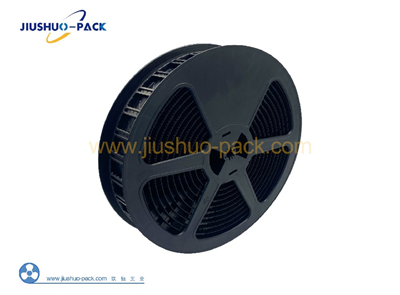
At the end of the day, optimizing your reel and tape packaging machine isn’t about buying the latest, fanciest model. It’s about being consistent with small checks, using the right materials, training your team, and staying on top of routine maintenance. I’ve seen machines that are 15 years old run better than brand new ones because their owners follow these steps. If you’re dealing with persistent jams, high defect rates, or unexpected downtime, don’t just guess what’s wrong—reach out. I’ve helped hundreds of customers troubleshoot their machines, and I can walk you through what’s working (and what’s not) for your specific setup. Whether you need a quick tip, a replacement part, or a refresh on maintenance, I’m here to help you get the most out of your reel and tape packaging machine. Let’s connect and talk through your needs—no sales pitch, just real advice from someone who’s been in this game for years.
Paper Carrier Tape References:
- International Society of Packaging Professionals. (2022). Routine Maintenance Guidelines for Packaging Machinery.
- Packaging Technology and Science Journal. (2021). Effects of Material Storage Conditions on Packaging Machine Performance.
- U.S. Occupational Safety and Health Administration. (2020). Best Practices for Industrial Packaging Machine Operator Training.
- Global Packaging Machinery Manufacturers Association. (2023). Guide to Variable Speed Control for Reel-Based Packaging Equipment.
Dongguan Jiushuo Industrial Co., Ltd.
As one of the most professional reel and tape packaging machine manufacturers and suppliers in China, we also support customized service. Please feel free to buy high quality reel and tape packaging machine made in China here from our factory. Contact us for more details.
Address: 11th Floor, Building 2, Chuangfu Center, Chashan Town, Dongguan City, Guangdong Province, China
E-mail: sales06@zaidaiw.com
WebSite: https://www.carriertape-pack.com/
