If you’ve ever spent a day paddling a canoe—whether it’s a quiet weekend run down a calm river, a solo trip to a remote lake, or a quick commute across a narrow stretch of water—you’ve probably faced the same small, frustrating problem: where to stow your essentials without them getting wet, falling overboard, or bouncing into your face every time you paddle. For years, outdoor enthusiasts reached for fanny packs slung around their waists, bulky backpacks that shifted with every stroke, or waterproof dry bags that were too big to access quickly. As a chest bag supplier who’s worked with hundreds of canoeists to refine our designs over the last eight years, I get asked this question at least three times a week: Can I use a chest bag for canoeing? Chest Bag

The short answer is: Yes, but not all chest bags are built for the specific demands of paddling. Over the years, I’ve seen customers show up with heavy leather chest bags that soaked through after a single rain shower, mesh-fronted options that let their keys slip out mid-stroke, and cheaply made straps that snapped when they leaned forward to avoid a low-hanging tree branch. A chest bag works for canoeing only if it solves the three biggest pain points of paddling: water resistance, secure storage for small, frequently used items, and freedom of movement to paddle effectively. Let’s break this down, based on what we’ve learned testing our own products and listening to feedback from recreational and competitive canoeists alike.
First, let’s talk about the biggest risk when using any bag on the water: water damage. Canoeing isn’t just sitting still on a lake—you might get splashed by a passing motorboat, capsize slightly if you hit a submerged rock, or even get caught in an unexpected rainstorm. A casual day paddle can turn into a wet mess in seconds if your bag isn’t waterproof. I once worked with a customer who brought a regular canvas chest bag on a solo trip on the Fox River; he stored his phone, car keys, and energy bar inside, and when he misjudged a turn, a wave washed over his canoe and soaked everything. He came back to us saying he’d never paddle without a waterproof chest bag again.
That’s why we design our canoe-specific chest bags with a 500D waterproof nylon exterior and a welded, seam-sealed inner liner. This isn’t just the thin plastic coating you’ll find on cheap dollar store dry bags—those tend to tear after a few uses, especially when you’re leaning against a canoe gunwale or brushing up against tree branches. Our material can handle scrapes from rocks and occasional submersion, but more importantly, it keeps out even fine mist and splashes that come with steady paddling. If you’re looking at a chest bag for canoeing, skip the ones with Velcro closures on the front; even a well-sealed Velcro strip will let water seep in over time. Opt instead for a roll-top closure or a heavy-duty zip that’s fully coated with a rubber seal to lock out moisture.
Next, the role of the chest bag: it shouldn’t just hold your stuff—it should keep it accessible while you’re paddling. Most recreational canoeists carry a handful of small, non-essential items that they need to reach quickly: lip balm to prevent chapped lips on long trips, a multi-tool to fix a broken paddle shaft, a small first-aid kit for cuts or scrapes, or a portable phone to take photos of wildlife. A backpack, even a lightweight one, sits too far away on your back to reach without stopping paddling, and a dry bag tossed in the bottom of the canoe means you have to empty half the bag just to grab a granola bar. A chest bag sits right at your sternum, so you can reach it without shifting your weight or stopping your stroke.
That said, fit is everything here. If a chest bag is too big, it will bounce around when you paddle, hitting your ribs every time you lean forward or twist to steer. We designed our chest bags with adjustable sternum straps that connect to the ends of the shoulder straps, so you can tighten the bag to sit snugly against your chest without restricting your arm movement. A common mistake we see new canoeists make is buying a chest bag that’s too large for their frame—they think bigger means more storage, but extra volume only leads to shifting and discomfort. For most people, a chest bag with a 5 to 8 liter capacity is perfect for canoeing; that’s enough space for your essentials, but not so much that it gets in the way. If you need to carry a change of clothes or a full water bottle, a chest bag paired with a small waterproof dry bag in your canoe works far better than a bulky chest bag that throws off your balance.
Speaking of balance: this is the part that makes or breaks a chest bag for canoeing. Canoeing relies on a low center of gravity to stay stable, especially if you’re in a solo canoe or a small two-person canoe. A heavy chest bag worn high on your chest doesn’t just feel uncomfortable—it can throw off your weight distribution, making you more likely to tip if you hit a wave. We’ve tested our bags with competitive canoeists who tell us that even a 1-pound difference in their upper body weight can change their stroke efficiency by as much as 10% over a 10-mile trip. That’s why our canoe-specific chest bags are around 1.2 pounds when empty—light enough that they don’t add unnecessary weight to your upper body, but sturdy enough to hold all your gear.
Another thing to consider is strap durability. When you’re paddling, you’re leaning forward, reaching over your knees, and even lying back to rest in the bottom of your canoe. Strap buckles that slide or loosen mid-paddle are not just annoying—they can lead to your bag bouncing or even falling off. We use heavy-duty, quick-release buckles on our chest bags that stay secured during even the most active trips, and we add a padded shoulder strap to distribute the weight evenly, so you don’t get shoulder fatigue after a few hours on the water. I’ve had customers come to us with bags that broke because their straps were made from thin nylon that stretched over time; our straps are reinforced with webbing that can hold up to 50 pounds of pull, so you don’t have to worry about them snapping on the water.
Of course, not everyone will love a chest bag for canoeing. If you’re planning a multi-day camping trip where you need to carry a tent, sleeping bag, and cooking supplies, a chest bag won’t work—you’ll need a proper backpack or a large dry bag. If you’re a competitive canoe racer who needs to minimize every ounce of weight on your body, you might prefer a low-profile waist pack or even no bag at all, since racer often tuck essentials in their PFD pockets. But for the average recreational canoeist, weekend adventurer, or someone who just wants a convenient way to carry their small items, a good chest bag is a game-changer.
Let me share a story that sums this up. Last summer, a couple came to our booth at a canoe expo in the Adirondacks. They’d been renting canoes for 10 years, and they always complained that their keys got wet, their lip balm melted in the sun, and stopping to grab something from their backpack threw their canoe off balance. They were using a cheap chest bag they’d bought from a big box store, and it had failed on them twice: once when the zipper broke mid-paddle, and once when it filled with water during a small splash. We showed them our canoe-specific chest bag, and they took it out on a test paddle around the expo’s lake. They came back 45 minutes later saying they hadn’t once had to stop paddling to reach their lip balm, their keys were completely dry in the waterproof liner, and the bag didn’t bounce or feel heavy at all. They bought two that day, and a month later, they sent us a photo of them paddling on a remote lake, both wearing their chest bags with big smiles.
The key takeaway here is that a chest bag can absolutely work for canoeing, as long as you choose the right one. Don’t just grab any chest bag from your closet—look for one that’s waterproof, fits snugly without restricting your movement, has durable straps, and is the right size for your needs. Avoid bags with flimsy closures, excessive volume, or cheap materials that can’t handle the water and rough conditions.
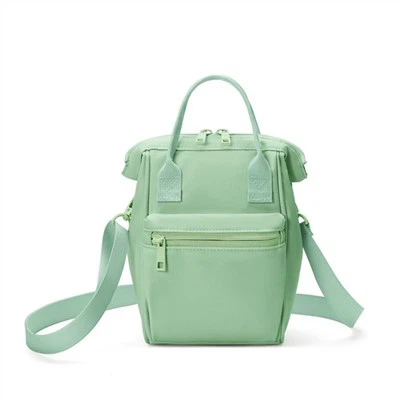
If you’re in the market for a canoe-specific chest bag, or if you want to learn more about how our bags are designed for paddling adventures, we’d love to connect with you. We work with individual paddlers, local canoe rental shops, and outdoor outfitters to provide high-quality, gear that’s built for your trips. Whether you’re planning a casual day on a calm river or a longer trip on a larger lake, we can help you find the right chest bag to keep your essentials safe, accessible, and dry. Reach out to our team to discuss your specific needs and find the perfect fit for your canoeing adventures.
Sports Backpack References
- American Canoe Association. (2022). Essential Gear for Recreational Canoeing. ACA Press.
- Outdoor Industry Association. (2021. Water Resistance Standards for Outdoor Gear). OIA Research Report.
- Journal of Outdoor Recreation and Tourism. (2020. The Impact of Carried Gear on Paddling Performance and Stability). Elsevier.
- International Organization for Standardization. (2019. Protective Clothing for Water Sports: Performance Requirements). ISO 15797:2019.
Address: 5th Floor, Southern Color Printing, No. 36, Fengshun Road, Fengze District, Quanzhou City, Fujian Province
E-mail: sales@dexetebag.com
WebSite: https://www.dxtbag.com/
