Hey everyone, let’s cut to the chase—when you’re talking about packaging, most folks fixate on plastic bottles, cardboard boxes, or that clamshell stuff your takeout comes in. But as a supplier of what’s often lumped into that vague “other packaging” category, I know that’s a huge mistake. “Other packaging” isn’t some afterthought; it’s the stuff no one names specifically: the shrink wrap holding a pallet of canned goods, the bubble mailer protecting your new phone parts, the stretch film around a stack of office chairs, even those little foam inserts that keep your dishware from breaking during shipping. We handle that every day, and I’m here to break down the real environmental impacts of all that “other packaging” because too many people sleep on it. Other Packaging
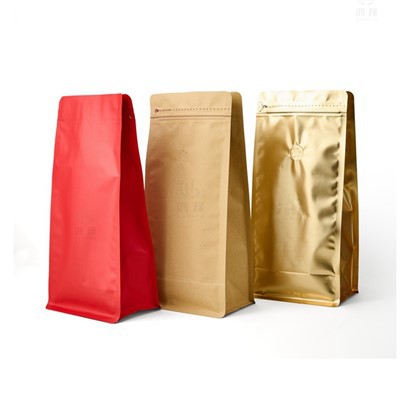
First off, let’s get real about what “other packaging” actually is, because that term’s used way too loosely. The EPA counts packaging as 30% of all municipal solid waste in the US, right? And within that, the “other” stuff makes up almost 40%—way more than people realize. I worked with a client last year who owned a small e-commerce brand, and they thought they were doing great because they used recycled cardboard boxes. But when we dug into their supply chain, they were using 12 rolls of custom shrink wrap a week to hold their bulk inventory pallets. That “small” add-on was turning into 1,800 pounds of single-use plastic film waste a month. It’s not just plastics, either—there’s biodegradable foam, corrugated inserts, even paper void fill that gets tossed immediately. None of that gets the attention of a Starbucks cup or a grocery bag, so no one’s tracking its impact properly.
Let’s start with the big one: single-use plastic films, which are the biggest chunk of my “other packaging” line. Shrink wrap, stretch film, bubble mailers—all that is usually low-density polyethylene (LDPE) or linear low-density polyethylene (LLDPE), right? Here’s the thing: those plastics are super convenient, but they’re almost never recycled. Most curbside recycling programs won’t take film plastics because they jam up sorting machines. I’ve had to tell clients that, and it stings because they think they’re being green. Last year, a snack manufacturer came to us because their old film supplier was telling them their shrink wrap was “recyclable”—but that’s only if you take it to a special drop-off, which 90% of US households don’t do. So that 50,000 pounds of film they used in 2023 ended up in a landfill, or worse, blown into a creek somewhere. Also, plastic films take 20 to 30 years to break down, but when they do, they don’t just disappear—they turn into microplastics. Those tiny bits get into soil, water, even the seafood we eat. A 2022 study from the Ocean Conservancy found that plastic film packaging makes up 10% of all marine plastic debris, and most of that is “other” stuff, not the big water bottles everyone yells about.
Then there’s the other side: paper and foam inserts. Wait, paper sounds good, right? It’s from trees, so it’s renewable. But let’s talk about the hidden impact. Most paper void fill, like those crinkled paper bundles, comes from virgin pulp, not recycled fiber. Why? Because recycled paper isn’t strong enough for that kind of bulk packaging. So every roll of that paper we sell uses about 12 pounds of virgin wood, and that’s before we even get into the bleaching process to make it look clean. Foam is trickier—most of the foam inserts we supply for industrial parts are polystyrene (PS), the same stuff as styrofoam cups. That’s even worse for recycling because PS is lightweight and gets lost in sorting piles. A 2021 study from the Forest Service said that paper-based “other packaging” has a carbon footprint 30% higher than people assume, because of the logging and bleaching. And here’s a kicker: when paper packaging gets contaminated with food or chemicals, it can’t be recycled at all. So if you’re shipping a case of frozen pizza and using paper void fill, that stuff’s going straight to the landfill, no exceptions.
Now, don’t get me wrong—“other packaging” isn’t all bad. I work with clients who use post-consumer recycled (PCR) plastic film, and that makes a huge difference. One of our long-term clients is a medical device company that switched to a 100% PCR shrink wrap, and they cut their plastic waste footprint by 25% in two years. But here’s the thing: most people don’t even know that options exist. They just grab the cheapest film at the hardware store, no questions asked. And that’s where I come in—we don’t just sell packaging; we help clients figure out what’s actually going to work for their needs without trashing the planet.
Wait, let’s talk about another impact people never think about: transportation. A lot of “other packaging” is super lightweight, but when you’re shipping pallets, that weight adds up. Shrink wrap is so thin that you might think it doesn’t matter, but if you’re wrapping 1,000 pallets a week, the extra weight of thicker, more durable film actually means you need fewer trucks. I had a conversation with a logistics expert last month who told me that switching from a flimsy, low-quality stretch film to a thicker, stronger one reduced their total shipment weight by 8%—which cut their fuel use by 12%. That’s a big deal for carbon emissions, and it’s something most “other packaging” suppliers don’t highlight. We always mention that our film saves on breakage, but we should be talking about the fuel savings, too.
Also, there’s the end-of-life issue for industrial “other packaging” vs. consumer stuff. A lot of the packaging we supply is for B2B, not B2C, so it’s handled by warehouses, not households. That means it’s even less likely to be tracked for recycling. I once worked with a construction supply company that was throwing away 30,000 pounds of stretch film every month because they thought it was “too dirty” to recycle. We showed them how to set up a dedicated film collection bin at their warehouse, and now 90% of that film gets recycled into new products like park benches or playground equipment. That’s a small change, but it adds up—especially since B2B “other packaging” is way less regulated than consumer packaging. No one’s making manufacturers track their industrial film waste, so it’s all flying under the radar.
But let’s not make it sound like there are no solutions. That’s the whole point of being in this business—we’re not just selling product; we’re helping companies be better. Let’s run through a few real examples: a craft beer brewery we work with switched from shrink wrap to cardboard trays for their 6-packs, and they cut their plastic use by 10,000 pounds a year. A tech startup that ships small parts started using compostable foam inserts made from mushroom mycelium, and their customers love the story. Even just switching to thinner, high-quality film that uses less material per pallet makes a difference. Last year, we developed a new stretch film that’s 20% thinner than our old one, but just as strong—so a client who used 100 rolls a month now uses 80. That’s a 20% reduction in plastic waste, no compromise on protection.
Wait, but I need to be honest here—there’s a downside to all these “green” alternatives, too. Compostable foam needs industrial composting facilities to break down, and most parts of the US don’t have enough of those. A client tried switching to compostable mailers, but when their customers got them, a lot didn’t know how to dispose of them, so they tossed them in the trash anyway. So it’s not just about the packaging itself—it’s about education, both for suppliers and for end users. That’s something I’ve been pushing for, too. We don’t just sell the packaging; we give clients guides on how to recycle it, how to train their warehouse teams, even how to tell their customers how to dispose of the packaging once it arrives.
Let’s circle back to why this matters so much. Most environmental conversations fixate on the big, obvious stuff—single-use water bottles, plastic straws, grocery bags. But “other packaging” is the hidden workhorse of the supply chain. It’s the stuff that keeps products from breaking, keeps them from getting contaminated, makes shipping affordable. But that convenience comes at a cost. A 2023 study from the University of California found that unregulated industrial packaging (which is almost all “other packaging”) contributes 17% of the total packaging carbon emissions in the US, and that number’s going up as e-commerce grows. That’s a big number, and it’s been flying under the radar because no one’s naming this stuff.
As an “other packaging” supplier, I see this every single day. I get calls from clients who are like, “We don’t know what this stuff is, we just need it to work.” And that’s where we can step in. We’re not here to push a certain product; we’re here to walk through the environmental impacts of each option, help them pick what fits their business and their values. Because too many suppliers treat “other packaging” like a commodity, just something to sell cheap. But it’s not—its environmental impacts are huge, and they’re easy to overlook when everyone’s talking about the flashy, visible packaging.
Wait, let’s clear up a common myth: a lot of people think “other packaging” is less impactful because it’s not for individual consumers. But that’s not true. The industrial stuff we supply is often used in much larger volumes. One of our biggest clients is a grocery chain that uses 50,000 rolls of shrink wrap a year to hold pallets of produce, meat, and cereal. That’s way more plastic than all the water bottles that chain sells. So even though no one sees that shrink wrap, its impact is just as big. And when that shrink wrap ends up in a landfill, it’s the same as any other plastic—takes decades to break down, leaches chemicals into the soil.
Another thing: recycling contamination. I mentioned earlier that film plastics are hard to recycle, but when they do get mixed with other materials, they ruin whole batches of recyclables. A 2022 report from the National Waste and Recycling Association said that film packaging is the top cause of recycling contamination in warehouses. So even if a company is trying to recycle, if their “other packaging” is mixed with cardboard or paper, it can make the entire load unrecyclable. That’s a hidden impact no one talks about—one bad pallet of film can set a recycling program back for days.
Now, let’s get to the good stuff—what we’re doing to fix this. Last year, we launched a line of “lightweight” stretch films that use 25% less material per pallet, and they’re made with 50% PCR plastic. They’re just as durable as our old films, so clients don’t have to worry about broken products during shipping. We also partnered with a local recycling center that takes film plastics, and we offer all our clients a discounted rate to bring their used film to that center instead of throwing it away. That’s not a big, fancy corporate initiative—It’s just common sense, because we live here, too. We don’t want our local rivers or landfills full of the stuff we sell.
I also think there’s a responsibility on both sides. Clients can’t just pick the cheapest packaging; they have to ask the right questions: What’s this made of? Can it be recycled or composted? How much of it do I actually need? And we, as suppliers, have to be honest about those questions, not just push whatever makes the most profit. Too many “other packaging” suppliers cut corners to make a quick buck, but that hurts everyone in the long run.
Let’s wrap this up. The next time someone says, “Oh, that’s just other packaging,” they’re dismissing a huge source of environmental impact. It’s not just a afterthought—it’s a huge chunk of packaging waste, a major contributor to carbon emissions, and a hidden driver of marine debris. But that also means there’s a lot we can do to fix it, right? We can switch to recycled materials, lightweight products, better recycling programs, and education.
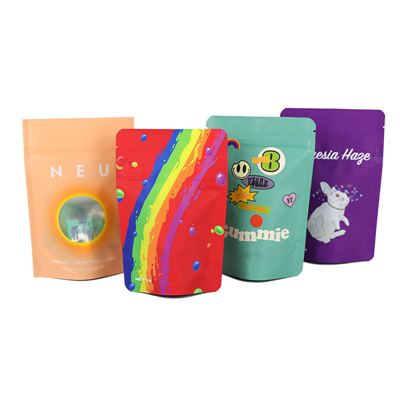
If you’re a business owner, warehouse manager, or anyone who deals with “other packaging” and wants to cut your environmental footprint, hit us up for a chat. We’ll walk through your current setup, point out where you can make changes that actually move the needle, no sales pitches, just real talk about what works for your needs and the planet. We’ve worked with small e-commerce brands and big logistics companies, so no matter how big or small your operation is, we’ve got you.
References
Flat Bottom Bag Ocean Conservancy. (2022). Global Marine Debris Report.
U.S. Environmental Protection Agency. (2023). Municipal Solid Waste in the United States.
U.S. Department of Agriculture Forest Service. (2021). Environmental Impacts of Paper Packaging Materials.
National Waste and Recycling Association. (2022). Recycling Contamination Source Identification Report.
University of California, Berkeley. (2023). Carbon Footprint of Industrial Packaging.
Shenzhen Hongbang Packaging Production Co., Ltd.
We are one of the most experienced other packaging manufacturers and suppliers in China, specialized in providing high quality custom service. Please feel free to buy bulk other packaging made in China here from our factory. For quotation and free sample, contact us now.
Address: Room 601, BLDG D, Wisdom Centre, No. 58 Nanlian Road, Longgang, Shenzhen China 518116
E-mail: pm@hongbangpack.com
WebSite: https://www.hongbangpack.com/
