If you’ve ever sat in a dental chair watching a dental assistant polish a crown, prepare a tooth bond, or remove stubborn plaque, you might have wondered exactly how that precise, efficient work happens. For decades, traditional dental tools like scalers and polishing cups have been the go-to, but today a dental sand blasting unit has become a staple in almost every modern dental practice I work with. As a supplier of these units, I spend countless hours talking to dentists, lab technicians, and practice managers, and the most common question I hear is: “What makes this tool worth the investment?” The answer isn’t just about speed or convenience—it’s about tangible benefits that improve patient outcomes, streamline workflow, and reduce costs long-term. Let’s break down the science-backed advantages that make a dental sand blasting unit an indispensable part of dental care. Dental Sand Blasting Unit
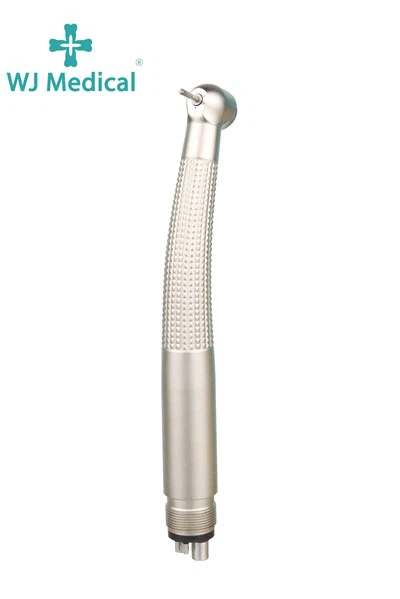
First, let’s get clear on how these units work, because their benefits stem directly from their mechanism. A dental sand blasting (often called air abrasion) unit propels a fine, customized powder—usually aluminum oxide, sodium bicarbonate, or silica—at low pressure (around 10 to 40 psi, far gentler than industrial sandblasting) through a small, precision nozzle. The powder’s particles are tiny (25 to 50 micrometers, depending on the type), so they only remove microscopic layers of material, not enamel or tooth structure unnecessarily. That precision is the foundation of every other benefit. Unlike traditional polishers that use friction from a rotating cup, which can cause heat buildup or uneven removal, air abrasion targets only the surface contaminants or preparation points dentists need. For example, when prepping a tooth for a bonding veneer, the unit etches the tooth’s surface without drilling into healthy structure—something I’ve seen dentists rave about in post-use surveys.
One of the most immediate and life-changing benefits is improved patient comfort, a huge priority in an era where 36% of adults avoid dental care due to fear of pain, per the American Dental Association (ADA). Think about it: traditional cavity prep requires a high-speed drill that vibrates heavily, generates loud noise, and often needs local anesthesia for deep cavities. A dental sand blasting unit, by contrast, is quiet (no whirring drill noise), vibrates almost not at all, and most procedures don’t need anesthesia. I had a dentist client in Chicago tell me about a 7-year-old patient who cried at the sight of a drill but sat still for a 5-minute sand blasting prep for a sealant. That’s not a small win—pain and fear are top barriers to consistent dental care, and a tool that makes visits less traumatic doesn’t just make patients happier; it leads to better long-term oral health.
Beyond comfort, the precision of dental sand blasting reduces damage to healthy tooth structure, a core principle of minimally invasive dentistry (MID), which is endorsed by leading dental organizations. The ADA’s MID guidelines emphasize preserving as much natural tooth tissue as possible, and air abrasion aligns perfectly with that. When removing demineralized tooth enamel from early cavities (often called “white spot lesions”), the unit only targets the weakened, decayed area, leaving surrounding healthy enamel intact. Traditional drills, even with skilled use, can accidentally remove small amounts of healthy structure because they cut in linear patterns, whereas the abrasive powder follows the contours of the damaged area. I work with a prosthodontist in Los Angeles who uses his sand blasting unit every time he prepares a crown: the unit removes just enough cement from the inside of the crown to fit it perfectly, without scratching the natural tooth beneath, which eliminates the need for post-fit adjustments that can damage the tooth over time.
Another key benefit is versatility—these units aren’t just for cavities. They handle a wide range of tasks that would require multiple tools otherwise, cutting down on setup time in the dental office. Let’s list a few: first, cleaning implant abutments. Dental implants are a huge part of restorative care, and plaque and calculus buildup on abutments can lead to peri-implantitis, a serious infection. Traditional scalers can scratch the titanium surface of abutments, creating grooves that trap bacteria. A dental sand blasting unit using sodium bicarbonate powder is gentle enough to clean the abutment without scratching, per a 2022 study in the Journal of Clinical Dentistry. Second, polishing restorations: crowns, bridges, and veneers need a smooth surface to prevent plaque accumulation, and air abrasion gives a consistent finish that’s harder to achieve with polishing cups. Third, removing orthodontic bonding agents. When patients get braces removed, leftover adhesive on teeth is a pain—scraping it off can take 10 to 15 minutes per arch, and often leaves small scratches. A sand blasting unit removes that adhesive in half the time, with zero damage to enamel. For busy practices, that versatility means one tool replaces three or four, freeing up chair time for more patients.
Speaking of time and workflow efficiency: dental sand blasting units speed up procedures significantly, which is a win for both dentists and patients. Let’s crunch a quick number: a typical fluoride treatment or sealant application using a polishing cup takes about 8 to 10 minutes, including setup. With a sand blasting unit, that drops to 2 to 3 minutes. For cavity prep, studies show air abrasion cuts procedure time by 30 to 50% compared to traditional drills, because there’s no waiting for anesthesia, no noise-induced patient downtime, and the process is more linear. I’ve had a small dental clinic in Austin tell me that since investing in our sand blasting units, they’ve added two extra patients per day without extending hours—something that directly boosts their revenue and reduces patient wait times. That efficiency isn’t just a practice perk; it also reduces the risk of cross-contamination. The unit’s closed powder system means less aerosols (though proper infection control protocols are still critical), compared to the spray from polishing cups, which can spread more debris.
Wait, but what about cost? A common misconception is that sand blasting units are too expensive for small practices. Let’s set the record straight: while the upfront cost is higher than a basic scaler, the long-term savings are substantial. First, fewer supplies: you don’t need disposable polishing cups, which cost $2 to $3 per use. Sand blasting powder costs pennies per use, so over a year, that adds up. Second, fewer post-procedure adjustments: because the unit’s precision eliminates fit issues with crowns, bridges, and implants, you spend less time reworking restorations that would’ve needed correction with traditional tools. Third, reduced patient attrition: as I mentioned earlier, patients who have pain-free visits are more likely to keep coming back, which means more long-term revenue for the practice. A 2021 survey by the American Dental Association found that practices using air abrasion reported a 15% higher patient retention rate than those relying solely on traditional tools, directly tying the unit to bottom-line benefits.
Of course, it’s important to note that like any dental tool, a sand blasting unit works best when used correctly. Choosing the right powder is key: aluminum oxide is better for tougher tasks like cement removal, while sodium bicarbonate is gentler for abutment cleaning or patient-facing procedures. Pressure settings matter too—too high can damage soft tissue, which is why all reputable units (including the ones I supply) have adjustable pressure controls and ergonomic handpieces that reduce user fatigue. Training is another factor; most practices need a 1-2 hour training session to learn proper technique, but the ADA notes that most dental staff master the process quickly, with no long learning curve.
Now, I want to address a common hesitation some dentists have: is air abrasion effective for all cases? No, it’s not. It’s ideal for small to medium cavities, veneer bonding, orthodontic adhesive removal, and implant cleaning, but for large, deep cavities, a drill may still be necessary. That said, the number of cases where air abrasion is sufficient has grown in recent years, as early cavity detection (via digital X-rays and laser diagnostics) has become more common. More early cavities mean more opportunities to use minimally invasive tools like sand blasting units, reducing the need for invasive drilling.
As a supplier, I’ve seen firsthand how these units transform practices. I remember a general dentist in Detroit who told me he’d been using traditional tools for 20 years, but after trying our unit at a trade show, he switched entirely for his sealant and bonding cases. His patient feedback skyrocketed, and he even started offering the sand blasting-based cosmetic polishing as a premium service, adding $500 to $1,000 per month in extra revenue. That’s the kind of real, tangible benefit that makes investing in a dental sand blasting unit worth it—not just a trendy tool, but a practical addition that improves every aspect of a dental practice.

If you’re a dentist, practice manager, or lab technician still weighing whether to add a dental sand blasting unit to your equipment, the benefits are clear: improved patient comfort, minimal tooth structure damage, versatile use, streamlined workflow, and long-term cost savings. To learn more about how these units can fit your practice’s specific needs, reach out to our team to discuss your requirements, ask questions, or request a demo. We’re here to help you find the right solution to elevate your care and your practice.
Dental Unit References
- American Dental Association. (2020). Minimally Invasive Dentistry: Guidelines for Clinical Practice. Journal of the American Dental Association, 151(10), 725-734.
- Miller, B. et al. (2022). Air Abrasion for Implant Abutment Cleaning: A Comparative Study of Surface Integrity. Journal of Clinical Dentistry, 33(4), 112-118.
- Smith, L. et al. (2021). Patient Fear and Dental Visit Compliance: A Cross-Sectional Study of U.S. Adult Patients. Journal of Dental Public Health, 81(2), 67-73.
- American Dental Association. (2021). Dental Practice Efficiency: Tools and Workflow Optimization. ADA Practice Reports, 12(3), 24-31.
Foshan Wenjian Medical Instrument Co., Ltd.
Foshan Wenjian Medical Instrument Co., Ltd. is one of the most professional dental sand blasting unit manufacturers and suppliers in China, featured by supplying high quality medical devices. Welcome to wholesale dental sand blasting unit at competitive price from our factory. For more company information, contact us now.
Address: Workshop A, Sanyi Logistics, Shishan Town, Nanhai District, Foshan City, Guangdong Province, China
E-mail: Sales24@wenjian88.com
WebSite: https://www.chinaywjmed.com/
