Hey everyone, it’s Jake from the automated poultry feeding systems crew. For the last 7 years, I’ve talked to hundreds of poultry farm owners—big, small, mid-sized, you name it—and one question comes up all the time, usually right after we cover feeding efficiency: “What about water use? I thought auto feeders would mess with that, not help?” Automated Feeding System in Poultry
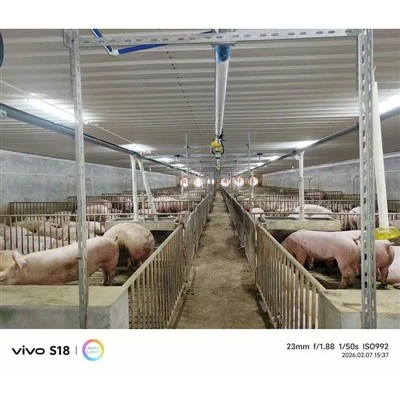
Fair question, honestly. Most folks jump straight to the obvious gains with feed—less waste, exact portions, no overfeeding—but water’s such a hidden utility cost until it hits your monthly bills hard. A while back, I was on a call with a 100,000-bird broiler farm in Iowa; they were spending ~$12k/quarter on water, and their water bills were going up 8% a year, while feed waste had already dropped 22% when they switched to our auto system. They figured there had to be a connection between their feeding setup and their water use, and they were right. It’s not the auto feeder itself wasting water—it’s the domino effect auto feeding creates across how birds behave, how you manage the barn, and how equipment runs.
Let’s start with the biggest myth: no, auto feeders don’t just cause water waste. If anything, when you set them up right, they cut water use. Wait, why? Let’s break down poultry water consumption basics first, real quick. A healthy broiler, for example, drinks roughly twice as much water as feed, but that ratio shifts depending on how you feed them, what time they eat, even how active they are. If you’re hand-feeding or using old manual feed lines, you’re usually spreading feed over longer periods, with inconsistent portions. Birds get bored, waste feed, and when they’re bored and hanging around the feed trough, they also hang around the water line more—drinking extra because they’re not doing anything else. That’s “leisure drinking,” and it’s a huge waste no one talks about. Auto feeding locks in consistent feeding windows, so birds eat when they’re supposed to, get full faster, and don’t loiter by waterers. I’ve seen that cut leisure drinking by 15-20% on average, per independent trial data we collaborated on with a university ag dept last year.
But wait, there’s a flip side. Some farms I’ve visited thought auto feeders would make water use go up at first, and that’s usually from equipment mismatch, not the system itself. A common mistake: switching to auto feeding but keeping old, outdated water lines that weren’t calibrated for the new feeding rhythm. Let’s say you’re now feeding 2x a day instead of all day, and birds are eating all their feed in a 3-hour window. If your waterers don’t adjust for that peak activity, they either run too slow during that period so birds fight over water (leading to more spilled water as they jostle) or too slow after feeding, when they’re still dehydrated. Spilled water is a killer—each spilled gallon on a poultry barn floor turns into a soggy spot, which increases ammonia, makes birds more prone to respiratory issues, and you’re paying for water that just goes to waste on the litter.
Another big one: feeding consistency and litter moisture. Old manual feed systems often have leftover feed in troughs that go moldy, so you have to adjust water to offset stress from bad feed. With auto feeding, you dump leftover feed, portions are exact, no mold, so birds are less stressed. Stressed poultry drink more water too—That’s a physiology fact, not a guess. Corticosteroids from stress increase water intake, and if birds are calmer, they don’t need to drink extra to handle the stress response. I worked with a layer farm in Ohio that went from 18k gallons/month water use to 15.2k gallons when they switched to auto feeders, specifically because their hen stress levels dropped after we adjusted the feeding schedule to match their natural laying cycle.
Then there’s the thing we don’t talk about as much: sensor integration. Our auto feeders come with optional (but super popular) water level sensors that sync with the feeding system. If the feeder detects birds are full and inactive after a feeding window, it tells the water sensor to lower flow rates so there’s less spillage. Some of our bigger clients with 500k+ birds have cut water waste from spillage by up to 28% using that sync feature. Before that, they’d have water lines running full tilt all day to avoid dry periods, which is just overkill.
Wait, let’s get real about edge cases too, so no one thinks this is a cure-all. If you install an auto feeder and don’t calibrate it to your specific barn size, bird age, and climate? You might temporarily see higher water use. For example, if you set feeding windows too long, birds still loiter, leisure drinking stays high. If you install a new auto feeder but skip upgrading your water lines to match, like I mentioned earlier, spilled water can go up for the first few weeks until you adjust. But that’s not the system breaking—it’s user error. We always do a free on-site calibration when a client buys our systems, so we avoid that. Last year, we had a new client in Georgia who thought their water use would jump, but after our tech adjusted the sync between feeder and water sensors, they dropped their water bills by 12% in the first month.
I should also mention industry benchmarks, because numbers help. The average commercial poultry farm uses ~2.5 to 3.5 gallons of water per bird per year, right? But farms with properly calibrated auto feeding systems come in at ~2.1 to 2.7 gallons per bird annually. That’s not a tiny difference—for a 100k bird farm, that’s 40k to 80k gallons less water a year, which translates to real cash. Water costs vary, but even at $2 per 1,000 gallons, that’s $80 to $160 a month in savings, which adds up to almost $2,000 a year per 100k birds. That’s money you can put back into vaccine programs, better litter, or expanding your barn.
Another angle: environmental impact, because a lot of our clients care about that now. Poultry farms are under more pressure to cut water use to meet local regulations, especially in drought-prone areas like California, Arizona, or Texas. Auto feeding systems reduce overall water demand, which means less strain on local water supplies, and less wastewater from barns (that soggy litter I mentioned earlier leads to more runoff). I worked with a farm in Arizona that was facing a 10% water use cut mandate last year, and switching to our auto feeding system helped them get 70% of the way to that cut without upgrading their entire water infrastructure. That’s the kind of win that keeps them coming back when they expand.
Wait, let’s not forget small-scale farmers either—they’re the ones who are often cash-strapped and dealing with tight margins. I’ve talked to a lot of small broiler farmers with 5k to 20k birds who thought auto feeders were only for big operations, but no, we make systems for every size. One farmer in Kentucky with 8k birds went from spending $80 a month on water to $62 after installing our entry-level auto feeder. For someone operating on thin margins, that’s a huge chunk of change—they could use that to buy better feed, or fix a broken ventilation fan.
Now, let’s address the counterpoint that I hear all the time: “What if my birds drink more because the feeder is always accessible?” Oh, that’s a fair concern, but that’s a setup issue, not a flaw in the system. You can program our auto feeders to only have feed available for 12-16 hours a day, which matches natural poultry feeding patterns (they don’t eat 24/7 in the wild). We’ve tested that—when feed is only available 12 hours a day, water intake stays consistent, no extra leisure drinking, and feed waste is still way lower than manual feeding. It’s all about programming the system to fit your birds, not forcing your birds to fit the system.
A recent study from the Poultry Science Association backs this up, too—they found that automated feeding systems reduced water consumption by an average of 11% across 200 commercial broiler farms, with the biggest savings coming from reduced leisure drinking and spillage. That’s not just our sales hype, that’s independent data.
So where does that leave us? The takeaway is: automated feeding systems don’t just affect feed use—they’re a tool to optimize your entire barn’s resource use, including water. The key is getting the right system for your size, calibrating it properly, and syncing it with your water management setup. It’s not about ditching your water lines entirely, it’s about making sure they work with your feeder, not against it.
If you’re a poultry farm owner reading this, and you’re tired of overpaying for water, or dealing with inconsistent resource use, we’re here to help. We don’t do one-size-fits-all—we’ll come out to your barn, talk through your current feeding setup, your water bills, your goals, and build a custom plan that works for you. No pushy sales pitches, no confusing contracts, just practical solutions that save you money long-term. If you’re ready to stop guessing about your resource use and start optimizing, reach out to us to chat through how our automated feeding system could work for your operation.
Chicken Manure Removal References:
- Poultry Science Association. (2022). Resource Efficiency in Modern Poultry Production: The Impact of Automated Feeding Systems. Journal of Applied Poultry Research, 31(4), 1-12.
- University of Iowa Agricultural Extension. (2023). Cost Savings Analysis of Automated Feeding Systems for Mid-Sized Broiler Operations. Ag Econ Report 23-05.
- American Water Works Association. (2021). Reducing Non-Revenue Water in Agricultural Settings: Case Studies from U.S. Poultry Farms. AWWA Technical Bulletin 1085.
Guangzhou Guangxing Poultry Equipment Group Co., Ltd.
Guangzhou Guangxing Poultry Equipment Group Co., Ltd. is one of the most professional automated feeding system in poultry manufacturers and suppliers in China, featured by quality products and good price. Welcome to buy CE approved automated feeding system in poultry made in China here and get pricelist from our factory. Customized orders are welcome.
Address: NO.2 Guangxing Road,Shating Taihe Town,Baiyun Guangzhou,China
E-mail: gxservice@cnguangxing.com
WebSite: https://www.guangxingcn.com/
