If you’ve ever picked up a soft, colorful printed knitted fabric—think for a custom tee, a cozy throw blanket, or even a garment for your small business—you might assume it’s just cotton, polyester, or a blend, with a vibrant print added on top. As a printed knitted fabric supplier, I’ve spent years walking factories, testing batches, and fielding calls from both hobbyists and major brands who never expected the fabric they chose to trigger an allergic reaction. Over the past decade, I’ve seen everything from a customer’s arms breaking out in hives after sewing a new batch of printed knit to a kid’s eczema flaring up after wearing a printed hoodie they loved. Most of the time, those reactions aren’t random—they’re tied to specific components in the knitting process, the printing ink, or even the tiny imperfections in manufacturing that can leave residues that sit right next to your skin. Printed Knitted Fabric
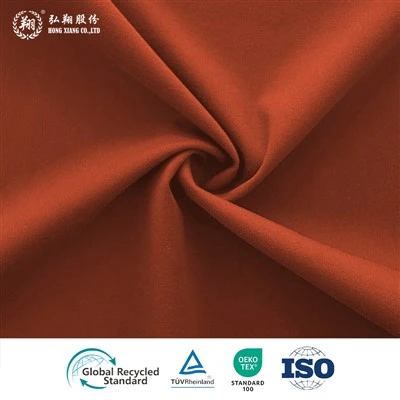
Let me start with a quick, grounded note: I’m not a dermatologist, and this post isn’t medical advice, but it’s the stuff I’ve learned from working alongside textile scientists, dermatologists who specialize in contact dermatitis, and our own team of quality control techs who’ve logged thousands of fabric tests. The point here is to help anyone who works with printed knitted fabric—makers, designers, brands, even people shopping for personal items—understand what to look for, so you don’t end up with an avoidable reaction.
First, let’s break down what printed knitted fabric actually is, because that’s where most of the confusion starts. Unlike woven fabric, which has threads crisscrossing at right angles, knitted fabric is made by interlocking loops of yarn, which gives it that soft, stretchy texture we all love. That loop structure means there are more tiny gaps and surfaces where chemicals, finishes, or residues can get trapped—way more than in a tight woven textile. Then, printing adds another layer: whether it’s screen printing, digital print, or rotary print, each method uses a mix of pigments, binders, softeners, and sometimes preservatives to make the print stay bright and wash for years. All of these ingredients can trigger allergic reactions, depending on your skin’s sensitivity and how the fabric was processed after printing.
Let’s start with the most common culprit: textile dyes and pigments, especially those used in printed designs. Wait, I know you’re thinking, “I’ve dyed fabric before, that’s just color, right?” Not exactly. The pigments or reactive dyes used in printing aren’t the same as the natural dyes you might use for a craft project. For example, disperse dyes—super common for synthetic knitted fabrics like polyester or spandex blends—are tiny, synthetic color molecules designed to stick to synthetic fibers. A lot of people don’t realize that disperse dyes are among the top causes of textile-related allergic contact dermatitis. I remember a few years back, we had a bulk order for printed polyester blend scarves for a retail brand, and three customers reported itchy, red rashes around their necks within a week of wearing them. Our lab tests showed that the print binder we’d used for that batch didn’t lock the disperse dyes in tightly enough—so the pigments were rubbing off onto the skin, and triggering reactions in people sensitive to those molecules.
Reactive dyes, used more often on natural fibers like cotton printed with digital or screen print, are another issue. These dyes react with the cotton fibers to form a chemical bond, but leftover unreacted dye molecules, and the alkaline salts used to help the reaction, can stay in the fabric if it isn’t washed properly during finishing. I once had a home sewer come to me upset because she had a full-body rash after making curtains for her bedroom from our printed cotton knit. Turns out, she’d sewn the fabric straight out of the package without washing it first—there were leftover salt residues and unbound reactive dye sitting in the knit’s loops, irritating her skin for weeks.
Next up: binders and thickeners, the unsung (and often overlooked) ingredients that hold printed pigments in place. When you print a design on knitted fabric, you can’t just lay pigment on top—it would rub off in the first wash or when you touch it. Binders are polymers that create a flexible film that sticks the pigment to the fiber. But many common binders, like acrylics, melamine, or formaldehyde-based resins, are big triggers for allergic reactions. Formaldehyde, in particular, is a classic culprit—so much so that the EU and many other regions have strict limits on formaldehyde levels in textiles, but I still see low-quality, off-spec fabric from overseas suppliers that skips proper finishing, leaving formaldehyde residues that can cause contact dermatitis, respiratory irritation, or even headaches in sensitive people. A few years ago, we tested a batch of digital printed cotton knit from a new supplier we’d considered partnering with, and formaldehyde levels were three times the legal limit in the US. We passed on them immediately—no one wants to be the reason a customer has a bad reaction.
Thickeners, used to adjust the consistency of printing ink so it doesn’t bleed into the knit’s gaps, are another underrated issue. Most thickeners are either natural (like starch or gum arabic) or synthetic (like acrylic thickeners). Natural thickeners can contain proteins from plants or even microbes used to ferment them, which can trigger allergic reactions in people with food allergies or sensitivity to natural latex-derived products. I once worked with a custom apparel brand that had a batch of printed knit workout shirts returned because several employees got itchy red spots on their chests. The print used a natural gum thickener made from acacia resin, which one of the brand’s employees was allergic to—something we’d never considered because we’d only tested the dye and binder.
Then there are the hidden additives that go into printed knitted fabric after printing, during the finishing process. Softeners, for example, are added to knitted fabric to keep that stretchy, soft feel that people love—but many softeners are quaternary ammonium compounds (quats), which are common allergens. Even more surprising: anti-microbial treatments, often added to knitted fabrics for use in activewear or baby products to prevent odor, can have ingredients like triclosan or silver nanoparticles, which some people develop sensitivities to over time. I also can’t forget about the tiny residual oils from knitting machinery—when the yarn is being looped into fabric, it’s run through rollers and needles coated in light oil to prevent friction, and if that oil isn’t fully removed during washing and finishing, it can sit in the knit’s loops and irritate skin, especially sensitive skin like babies’ or people with eczema.
Wait, there’s one more reaction that’s less common but worth mentioning: delayed hypersensitivity, which is the allergic reaction that shows up days or even weeks after exposure. That’s the one that tricks people—they’ll blame the shirt they wore to work that day, not the fabric they bought three weeks prior. I had a designer reach out last year saying her favorite printed knit blouse was giving her hives, and she’d only worn it twice. When we tested a swab of the blouse, we found traces of the print binder that’s a known sensitizer—her skin had reacted after repeated, low-level exposure, not a single big dose. That’s why it’s so important to ask for full finishing details from a fabric supplier, not just the color and price.
Now, as a printed knitted fabric supplier, I don’t want this post to scare anyone—most people can use high-quality printed knit without any issues, as long as they know what to ask for and how to handle the fabric. The good news is that there are ways to mitigate these risks, and more brands are asking for low-allergen, responsibly finished printed knit these days. We’ve adjusted our own processes over the years to use water-based binders instead of formaldehyde-based ones, test all our batches for disperse dye transfer, and offer pre-washed options for customers making garments for babies or sensitive skin.
If you’re working with printed knitted fabric, here are a few tips I’ve picked up over the years: First, always ask your supplier for a full material safety data sheet (MSDS) for the print and fabric, including levels of formaldehyde, residual dye, and any additives used. Second, test a small swab of the fabric before making a big order—do a patch test: cut a 2×2 inch swab, wash it once with fragrance-free detergent, and tape it to the inside of your arm for 24 hours. If you don’t get a red, itchy spot, it’s likely safe for you. Third, always wash new printed knitted fabric before using it, especially for close-to-skin items. Even if it’s labeled “pre-washed,” a quick gentle cycle with cold water and no fabric softener will remove any leftover residues.
At the end of the day, printed knitted fabric is such a versatile material—used for everything from kids’ pajamas to high-end fashion, from home decor to medical textiles. The last thing anyone wants is for a beautiful, soft, colorful fabric to cause discomfort, and as someone who’s been in this industry for years, I’m always happy to walk through our processes, share test results, and help you find the right printed knit for your needs.
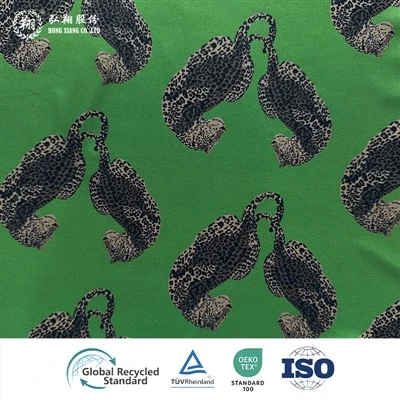
If you’re looking for high-quality, responsibly finished printed knitted fabric, feel free to reach out to discuss your project, whether it’s a small custom order for a designer or a bulk order for a retail brand. We’re here to answer your questions and help you pick the right fabric that works for your needs, without the risk of avoidable allergic reactions.
Knitted Fabric References
- Contact Dermatitis: Textile-Associated Allergens and Irritants, American Academy of Dermatology, 2022.
- Textile Finishing Chemicals and Allergic Reactions, Journal of Industrial Textiles, Vol. 50, No. 3, 2020.
- Allergic Reactions to Disperse Dyes in Synthetic Textiles, International Journal of Dermatology, Vol. 57, No. 12, 2018.
- Formaldehyde Residues in Textiles: Regulatory Limits and Health Impacts, Textile Chemistry & Coloration, Vol. 49, No. 2, 2017.
Zhejiang Hongxiang Textile Technology Co., Ltd.
Zhejiang Hongxiang Textile Technology Co., Ltd. is one of the most professional printed knitted fabric manufacturers and suppliers in China. With abundant experience, we warmly welcome you to wholesale custom made printed knitted fabric from our factory. If you have any enquiry about cooperation, please feel free to email us.
Address: No. 8, 12th Road, Warp Weaving Park, Maqiao Street, Haining City, Jiaxing City, Zhejiang Province
E-mail: gd@hongxiang888.cn
WebSite: https://www.h-xiang.com/
